

US budget deficit narrows at slower pace after tariff rate decrease
The country’s effective tariff rate across all countries is now around 10%
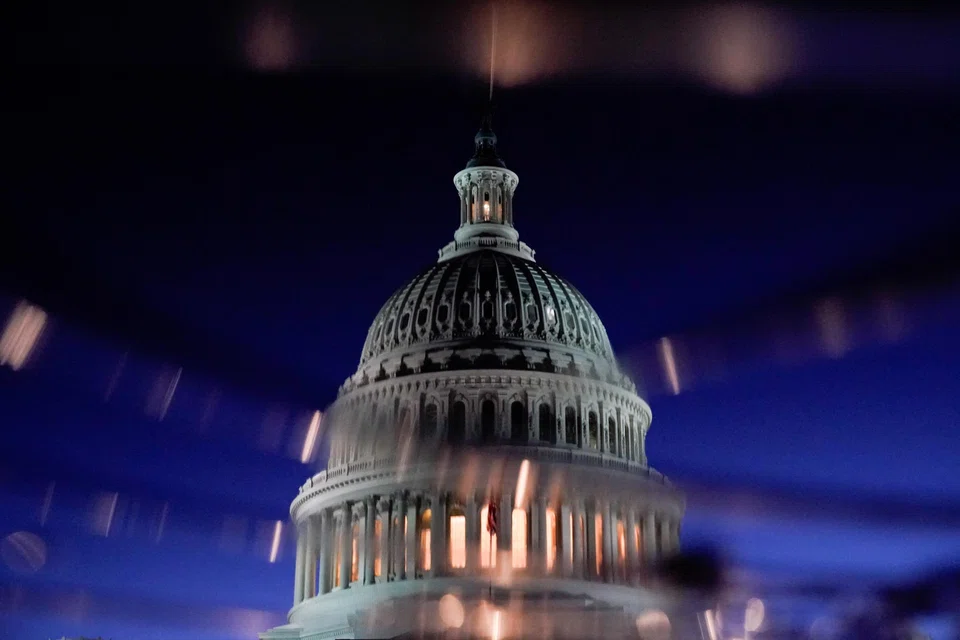
[WASHINGTON] The budget deficit narrowed in February at a slower pace than the previous month as US tariff revenue started to slow from the peak rate hit late last year.
For the five months to February, the government had a deficit of US$1 trillion, down US$148 billion from the same period the year before, after accounting for calendar-year differences, according to data released by the Treasury Department. That marks a 14 per cent contraction in the deficit, down from the 21 per cent pace seen for October to January.
Wednesday’s monthly budget release is the first since the Supreme Court struck down the tariffs US President Donald Trump imposed under the claim of emergency powers. That ruling, which held that Trump overstepped his authority by using the International Emergency Economic Powers Act, or Ieepa, to impose a system of “reciprocal” tariffs across the globe, raised doubts over the administration’s ability to sustain import duty revenue at rates seen last year.
The government took in US$26.6 billion in customs duties last month. Even before the ruling, tariff revenues were slowing, with declines on a monthly basis since reaching a peak of US$31.4 billion in October.
In addition to the reduction in money coming into the government’s coffers, the US will likely have to refund all the tariffs it collected using Ieepa. Estimates for that amount vary and could total as much as US$170 billion. Treasury Secretary Scott Bessent has said the amount would be closer to US$130 billion.
That same day the Supreme Court issued its ruling, Trump announced he was imposing an across-the-board tariff of 10 per cent based on a provision in a law from 1974 that gives the president the ability to impose tariffs on his own authority, but only for 150 days.
The 10 per cent rate went into effect on Feb 24. Trump has indicated he wants to increase it to 15 per cent but that has not happened yet. US Trade Representative Jamieson Greer said on Feb 25 that Trump will sign an order raising tariffs to the higher rate “where appropriate”.
In the meantime, the administration is working to rebuild large parts of its tariff regime using other authorities. Bessent has said that he expects the new measures will mean tariff revenue would be largely unchanged for 2026.
The US’ effective tariff rate across all countries is now around 10 per cent, compared with 13 per cent at the beginning of February and about 15 per cent in the fall of 2025, according to Bloomberg Economics.




Tax refunds
Wednesday’s figures also showed that debt interest costs totalled US$520 billion for the five months through February, outweighing most other categories of spending.
The Treasury issued about US$64 billion in tax refunds last month, an increase of 11 per cent over February 2025. Bessent said in January that he expects this to be the “biggest refund season in history” thanks to the tax cut legislation enacted last July. The first day to file 2025 individual returns was on Jan 26.
Before the Iran war hit, some signs had emerged of the tax refund boost filtering through into higher spending, according to an analysis by the Bank of America Institute.
The US collected US$6 billion in corporate taxes in February, a decline of 49 per cent over the same period the year before, a likely reflection of the Trump tax package impact. BLOOMBERG
Decoding Asia newsletter: your guide to navigating Asia in a new global order. Sign up here to get Decoding Asia newsletter. Delivered to your inbox. Free.
Share with us your feedback on BT's products and services






