

US business equipment orders increase by the most in five months
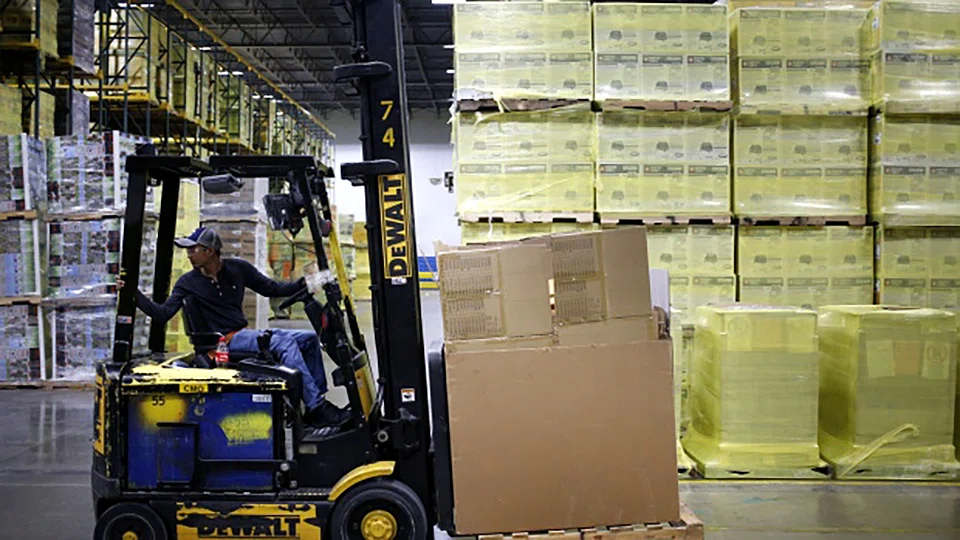
ORDERS placed with US factories for business equipment increased in January by the most in five months, suggesting businesses continue to make longer-term capital investments despite high borrowing costs and lingering economic uncertainty.
The value of core capital goods orders, a proxy for investment in equipment that excludes aircraft and military hardware, increased 0.8 per cent last month after a downwardly revised 0.3 per cent decline in December, Commerce Department figures showed on Monday (Feb 27). The data aren’t adjusted for inflation.
The median forecast in a Bloomberg survey called for no change in core capital goods bookings.
Core capital goods shipments, a figure that is used to help calculate equipment investment in the government’s gross domestic product report, jumped 1.1 per cent.
With a tight labour market keeping upward pressure on wages, many companies are continuing to seek ways to make their workers more productive. Furthermore, if businesses believe a potential downturn will be short and mild, they may be more inclined to continue with capital investment plans.
That said, rising interest rates, inflation and general economic uncertainty may prompt companies to limit expenses.
Orders for machinery, computers and electrical equipment increased in January.
Bookings for all durable goods – items meant to last at least three years – dropped 4.5 per cent in January, the sharpest decline since April 2020 and reflecting a sharp pullback in bookings for commercial aircraft. Excluding transportation equipment, durable goods orders increased 0.7 per cent.
The Commerce Department’s report showed bookings for commercial aircraft, which are volatile from month to month, slumped 54.6 per cent. Boeing reported 55 orders in January compared with 250 in December. While often helpful to compare the two, aircraft orders are volatile and the government data don’t always correlate with the planemaker’s monthly figures.
Survey data have pointed to a weak manufacturing sector. The Institute for Supply Management’s gauge of factory activity has indicated contraction for three straight months, and several regional Federal Reserve banks showed shrinking activity in January.
The report also showed unfilled orders for all durable goods were unchanged while inventories fell 0.1 per cent.
Defence capital goods orders rose 3.8 per cent, boosted in part by military aircraft. Excluding defence, bookings for durable goods fell 5.1 per cent. BLOOMBERG
Decoding Asia newsletter: your guide to navigating Asia in a new global order. Sign up here to get Decoding Asia newsletter. Delivered to your inbox. Free.
Share with us your feedback on BT's products and services
TRENDING NOW

World’s largest offshore wind platform by Seatrium consortium on track to be completed by 2028

Is stamp collecting enjoying an analogue revival or are its best days over?

GovTech retrenches another 38 staff in second round of layoffs

MBS adjusted property Ebitda falls 20.6% in Q3 with fewer high-roller visits, weaker hold

