
US companies scramble to cuts costs, pay down debt as interest rates surge
 Add BT as a preferred source
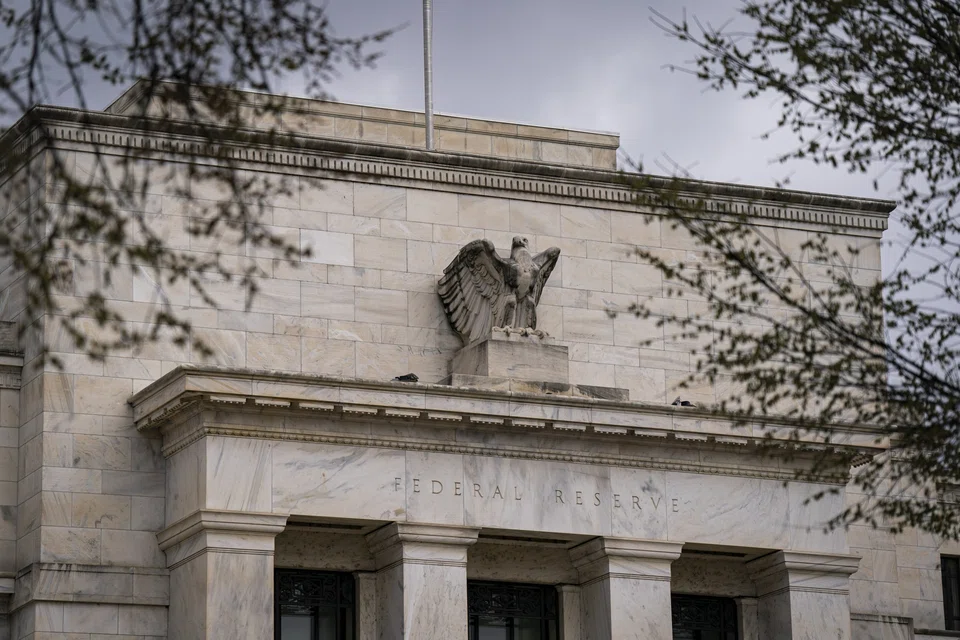
AS the Federal Reserve signals it will likely tighten the money supply further, corporate treasurers are scrambling to cope with the impact of more than a year of central bank rate hikes, taking steps like cutting costs and paying down debt.
Interest costs at US companies rose by 22 per cent in the first quarter compared to a year earlier, soon after the Federal Reserve started raising rates, according to a recent survey of about 1,700 businesses by Calcbench, a data provider.
Electronics giant Apple and telecom provider Verizon Communications are among the corporations that have seen their interest costs surge. In the case of Verizon, interest expense soared to US$1.21 billion in the first quarter from US$786 million in the same period a year earlier.
Those increases, alongside higher costs elsewhere – including for wages, materials and energy – are forcing companies to look for savings. Apple, for example, is taking steps like delaying bonuses for some divisions and scaling back hiring to keep costs in check. Higher interest expenses also raise the bar for how much companies have to earn from projects to cover financing costs, potentially resulting in less investment.
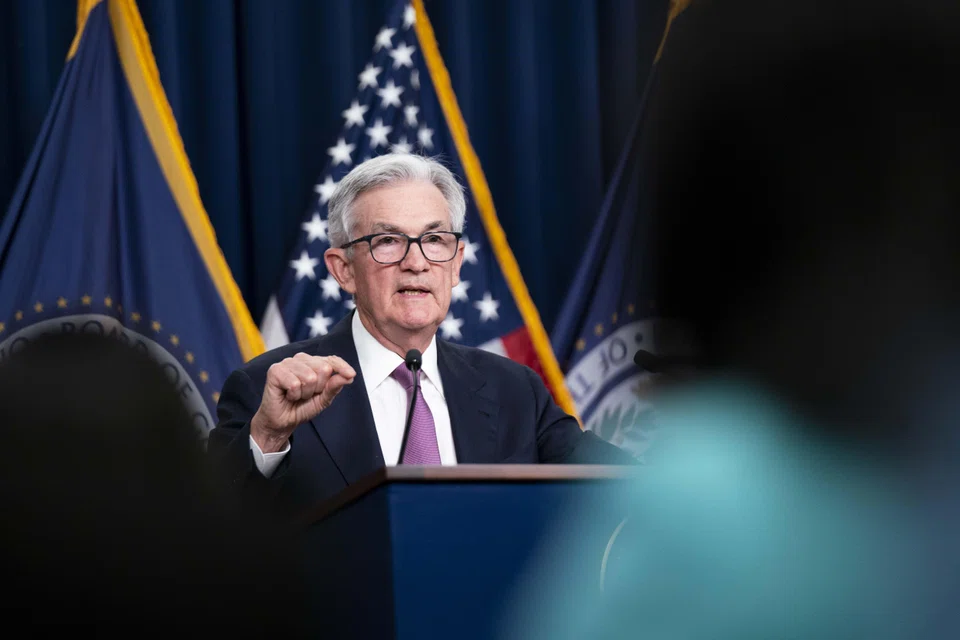
Additional rate increases by the Fed could result in even higher interest spending. The US central bank left rates unchanged at its meeting on Wednesday (Jun 14), but signalled that it’s determining how much more hiking it will undertake. Fresh quarterly forecasts from the central bank showed borrowing costs rising to 5.6 per cent by year end, according to the median projection, compared with 5.1 per cent in the previous round of projections.
A move by the Federal Reserve to keep rates “higher for longer” will likely put more pressure on companies with weaker credit ratings, strategists at Morgan Stanley wrote in a note on Tuesday. For bigger businesses with higher ratings, sustained high borrowing costs will likely bring a gradual decline in interest coverage ratios and a focus on right-sizing outstanding debt and balance sheets, the analysts said.
Navigate Asia in
a new global order
Get the insights delivered to your inbox.
Carnival, the Miami, Florida-based cruise ship operator with junk credit ratings, is working to slash debt and interest costs after it raised US$24 billion in additional funding during the pandemic. “We expect substantial increases in adjusted free cash flow in 2024 and beyond, and we anticipate utilising this free cash flow to drive down our debt balances, alleviating interest expenses over time,” chief financial officer David Bernstein said in an email earlier this month.
The company intends to pay down US$1.8 billion in maturities during the remainder of the year, planning to end 2023 with around US$33.5 billion in total debt. Carnival reported US$539 million in interest expense during the first quarter, up from US$368 million during the prior-year period.
Carvana, the debt-saddled auto retailer, saw its interest expense more than double to US$159 million in the first quarter, compared to the same period last year. Carvana and Apple didn’t immediately respond to a request for comment. Verizon declined to comment.

But there’s pressure even on investment-grade rated companies. At Union Pacific, the Omaha, Nebraska-based railroad operator, interest expenses rose to US$336 million during the first quarter, up 9 per cent from the prior-year period. The company in recent years has staggered its bond issuances and used targeted debt exchanges, finance chief Jennifer Hamann said in an email this week. “The result of this work is that annual refinancing or issuing new debt has had a nominal impact on our overall interest expense and effective interest rate,” she said.
Higher interest and financing costs are forcing executives to scout for profitability improvements and savings across the business, said Michael Mankins, a partner at management consultancy Bain & Co. “Until March 2022, below 6 per cent was the weighted average cost of capital for companies in the S&P 500,” Mankins said. “Now, that cost is higher than 9 per cent. In that world, choices are very different,” he said, referring to decisions made by finance executives.
American Airlines, the Fort Worth, Texas-based airline operator, in recent quarters brought down the portion of its floating rate debt it holds. “We have taken a lot of steps to reduce our floating rate portfolio over the last year,” Meghan Montana, the company’s treasurer, said in an interview earlier this month. That included paying down two floating rate term loans, totalling about US$2.3 billion, Montana said.
American aims to reduce debt levels by US$15 billion in 2025 compared to their pandemic highs and achieve a higher credit rating. The company recorded interest expenses of US$540 million during the first quarter, up from US$463 million a year earlier.
“Higher interest expense means you have less money to pay for other expenses, for example wages or investments,” said Wes Bricker, vice chair and co-leader of the trust solutions business at professional services firm PricewaterhouseCoopers. That can be challenging for companies, particularly those that have weak credit metrics or generate little cash from operations.
Apart from tweaking their debt structure, companies are taking additional steps as they battle higher financing costs, including reviewing the timing of dividend payments and other spending decisions, Bricker said. “The cost of cash is a catalyst for change,” he said. “It is an opportunity for companies to get their house in order.”
To be sure, companies are generating higher interest income from cash and other short-term investments, including in money market funds. US corporate cash holdings stood at US$4 trillion at the end of the first quarter, up US$47 billion from the end of 2022 and up US$10 billion from the prior-year period, according to an analysis of Federal Reserve data by The Carfang Group, a treasury consulting firm.
“Higher rates can also create opportunities,” said Fraser Woodford, Warner Bros Discovery’s (WBD) treasurer, in an email in May. “We are earning more on cash holdings and can also take advantage of bonds trading at a discount, which makes them attractive candidates for retirement,” he said.
WBD is repurchasing US$460 million in floating-rate notes due March 2024, according to a statement on Wednesday. The company reported interest expenses of US$571 million for the quarter, down from US$598 million in pro-forma interest expenses during the first quarter of 2022, prior to the combination of Warner Bros and Discovery.
But, as most companies hold significantly more debt than cash, higher interest income often isn’t sufficient to compensate for the rise in interest rates, said Barak Ravid, Americas Leader at EY-Parthenon, the strategy consulting arm of the professional services firm.
“It’s not acting as a sufficient offset,” Ravid said. BLOOMBERG
Decoding Asia newsletter: your guide to navigating Asia in a new global order. Sign up here to get Decoding Asia newsletter. Delivered to your inbox. Free.
Share with us your feedback on BT's products and services

