
US consumer prices accelerate in March
 Add BT as a preferred source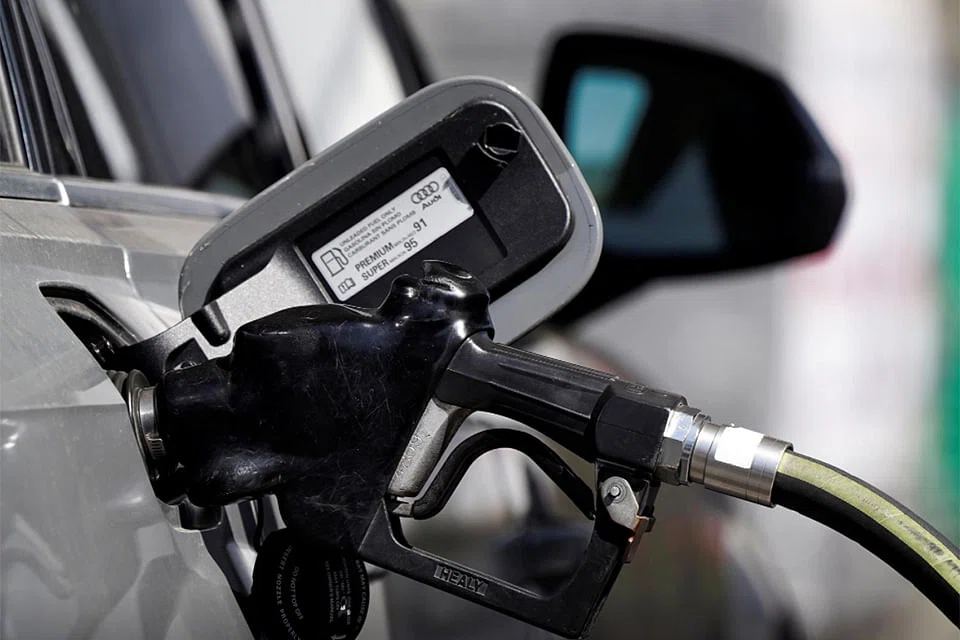
[WASHINGTON] US monthly consumer prices increased by the most in 16-1/2 years in March as Russia's war against Ukraine boosted the cost of petrol to record highs, cementing the case for a 50 basis points interest rate hike from the Federal Reserve next month.
The consumer price index surged 1.2 per cent last month, the biggest monthly gain since September 2005, the Labor Department said on Tuesday (Apr 12). The CPI advanced 0.8 per cent in February.
Gasoline prices on average soared to an all-time high of US$4.33 per gallon in March, according to AAA. While petrol was the main driver of inflation last month, food and services such as rental housing also made strong contributions.
Russia is the world's second-largest crude oil exporter. The United States has banned imports of Russian oil, liquefied natural gas and coal as part of a range of sanctions against Moscow for its invasion of Ukraine.
In addition to pushing up petrol prices, the Russia-Ukraine war, now in its second month, has led to a global surge in food prices as Russia and Ukraine also are major exporters of commodities like wheat and sunflower oil.
In the 12 months through March, the CPI accelerated 8.5 per cent.
Navigate Asia in
a new global order
Get the insights delivered to your inbox.
That was the largest year-on-year gain since December 1981 and followed a 7.9 per cent jump in February. It was the sixth straight month of annual CPI readings north of 6 per cent.
Economists polled by Reuters had forecast consumer prices advancing 1.2 per cent in March and vaulting 8.4 per cent year-on-year.
The strong inflation readings followed on the heels of data last month showing the unemployment rate dropping to a fresh 2-year low of 3.6 per cent in March.
The US central bank in March raised its policy interest rate by 25 basis points, the first hike in more than 3 years. Minutes of the policy meeting published on last Wednesday appeared to set the stage for big rate increases down the road.
High inflation and the Fed's hawkish posture have left the bond market fearing a US recession, though most economists expect the expansion will continue.
Many believe March could mark the peak in the annual CPI rate, but caution that inflation would remain well above the Fed's 2 per cent target at least through 2023.
Gasoline prices have retreated from record highs, but still remain above US$4 per gallon. Last year's high inflation readings will also start falling from the CPI calculation.
A moderation in prices of used cars and trucks resulted in a tame monthly reading for underlying inflation.
Excluding the volatile food and energy components, the CPI rose 0.3 per cent after gaining 0.5 per cent in February. The so-called core CPI increased by 6.5 per cent in the 12 months through March, the largest advance since August 1982, after rising 6.4 per cent in February.
Lockdowns in China to contain a resurgence in Covid-19 infections are seen putting more strain on global supply chains, which could keep goods prices elevated. Separately, rising rents for housing are also expected to keep core inflation hot. REUTERS
Decoding Asia newsletter: your guide to navigating Asia in a new global order. Sign up here to get Decoding Asia newsletter. Delivered to your inbox. Free.
Share with us your feedback on BT's products and services

