US consumer spending picks up as inflation hits three-year high
The personal consumption expenditures price index rose 4.1% from a year earlier, the most since April 2023
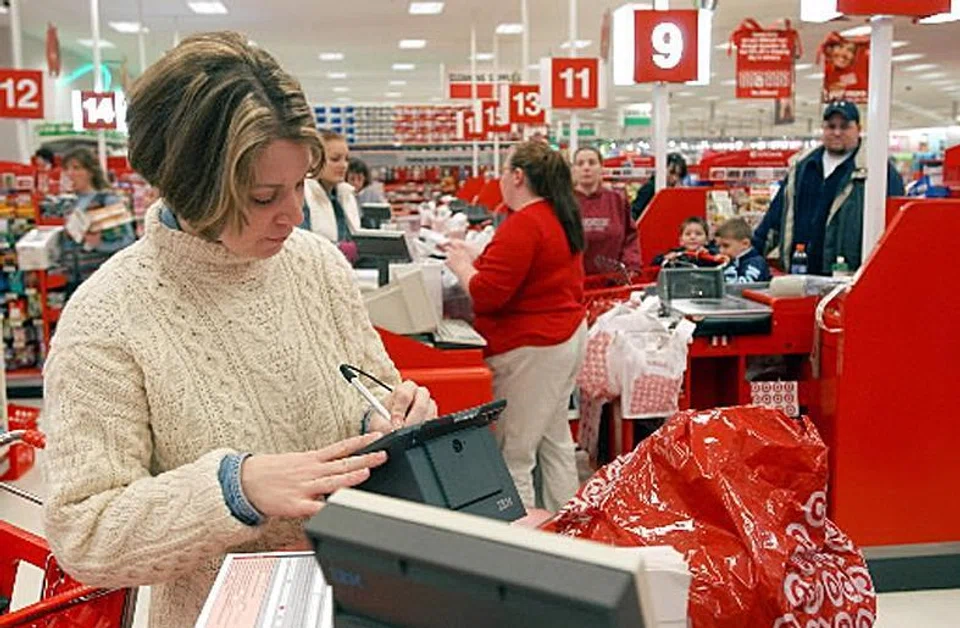
[NEW YORK] US consumer spending accelerated in May even as prices rose at the fastest pace in more than three years, suggesting Americans are powering through the fallout from the Iran war.
The personal consumption expenditures price index rose 4.1 per cent from a year earlier, the most since April 2023, Bureau of Economic Analysis data out Thursday (Jun 25) showed. Excluding food and energy, prices were up 3.4 per cent from a year earlier.
Inflation-adjusted consumer spending rose 0.3 per cent last month after stalling in April.
The numbers are likely to keep pressure on the Federal Reserve to raise interest rates this year. Despite the recent peace negotiations between the US and Iran that have sent oil prices tumbling, economists expect the costs of an array of products to continue rising as the initial energy shock works its way through supply chains.
Looking ahead, the recent pullback in oil prices could offer consumers some reprieve, though prices at the pump are still almost US$1 a gallon higher on average than before the war started.
Given the sharp drop in oil prices, “it is highly likely that inflation peaked in May,” Joe Brusuelas, the chief economist at RSM US, said in a note. Underlying inflation, however, “will not retreat so easily” given price pressures that remain in the pipeline.
Higher-than-usual tax refunds have helped bolster consumers in recent months, while a reaccelerating labour market and rising stock prices are also supporting spending. Even so, workers across sectors have seen pay gains fail to keep up with inflation, which has many saving less or turning to credit cards to maintain consumption habits.
There was good news on that front in Thursday’s figures: Personal income, a metric which is not adjusted for inflation, rose 0.7 per cent, while wages and salaries advanced 0.4 per cent.
When adjusting for inflation, disposable income rose 0.3 per cent, marking the first increase since the start of the year. The saving rate held at 3 per cent, the lowest since 2022.

A separate report showed the US economy grew at an annualised 2.1 per cent pace in the first quarter, faster than previously estimated, though that primarily reflected a downward revision to imports. Consumer spending, meanwhile, was marked down to 0.5 per cent from 1.4 per cent, marking the smallest quarterly advance in four years.
Outside of the war’s direct impact on energy prices, categories in both goods and services saw firm price increases in the May report. A closely watched metric of services inflation that excludes energy and housing advanced 0.5 per cent, the most since January. Financial services prices rose by the most in almost a year, while transportation services and healthcare also posted strong increases.
Prices of computer software and accessories rose a record 14.5 per cent from a year earlier, in part reflecting strong demand from the data centre buildout.
Companies like Kroger Co say consumers are seeking more deals as higher gas prices squeeze household budgets. Lowe’s Cos, meanwhile, says customers are putting off big-ticket purchases.
“This is a healthy consumer, but the broader macro is giving them a bit of hesitation,” Lowe’s chief executive officer Marvin Ellison said at a conference this month.
Inflation-adjusted services spending rose 0.2 per cent in May, according to the report, held back by declines in spending at restaurants and on transportation. Real outlays for goods rose on a rebound in motor vehicle purchases and strength in household furnishings.
Separate data out Thursday showed initial claims for unemployment benefits fell last week by 12,000 to 215,000, offering additional signs of labour market resilience. Another report showed durable goods orders fell 4.5 per cent in May on a decline in transportation equipment. BLOOMBERG
Decoding Asia newsletter: your guide to navigating Asia in a new global order. Sign up here to get Decoding Asia newsletter. Delivered to your inbox. Free.
Share with us your feedback on BT's products and services