US consumer spending softens; prices rise less than forecast
 Add BT as a preferred source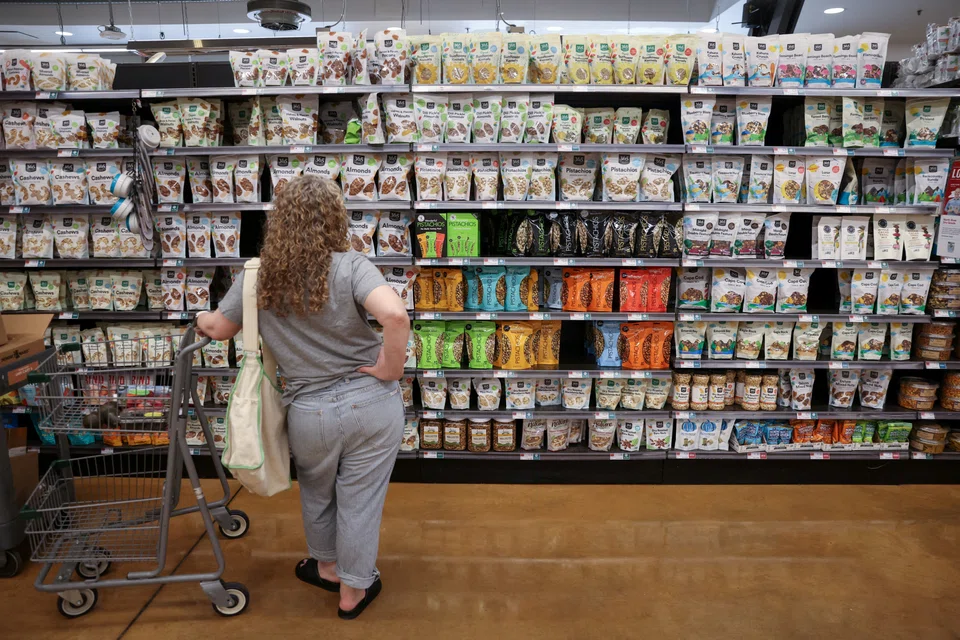
DeeperDive is a beta AI feature. Refer to full articles for the facts.
US inflation-adjusted consumer spending fell in May for the first time this year as persistent price pressures strain household budgets.
Purchases of goods and services, adjusted for changes in prices, decreased 0.4 per cent in May after a downwardly revised 0.3 per cent gain a month earlier, Commerce Department data showed on Thursday (Jun 30). Spending on services advanced while outlays for goods declined.
The personal consumption expenditures (PCE) price index, which the Federal Reserve uses for its inflation target, rose 0.6 per cent from a month earlier and was up 6.3 per cent since May 2021. The core PCE price index increased 0.3 per cent, less than expected. It was up 4.7 per cent from a year ago, the smallest gain since November.
The median forecasts in a Bloomberg survey of economists called for a 0.3 per cent decline in inflation-adjusted spending from the prior month and for the overall price index to be up 6.4 per cent from a year earlier.
Unadjusted for inflation, spending rose 0.2 per cent from the prior month, while personal income increased 0.5 per cent.
The report reflected resilient demand for services, underscoring a long-anticipated shift in consumer preferences from goods to services. Spending on international travel strengthened in May.
Navigate Asia in
a new global order
Get the insights delivered to your inbox.
Even so, the slowdown in consumer spending — the main driver of the US economy — adds to growing concerns about the economic outlook. Household sentiment is at a record low, recession fears are growing, and the labour market — while still robust — is showing some early signs of softening.
Inflation is eroding Americans’ pay, with households facing rising prices across the economy, including near-record costs for petrol. The Fed, which earlier this month raised interest rates by the most since 1994, will take the latest figures into account at their July meeting when deciding whether to once again hike rates by 75 basis points, or opt for a 50 basis-point increase.
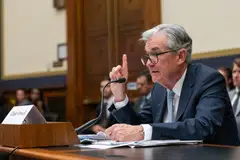
On Wednesday, Fed chair Jerome Powell said he and his colleagues “hope that growth will remain positive”, noting that the economy is “well positioned to withstand tighter monetary policy”. But he also acknowledged the task of avoiding a recession has become more challenging in recent months.
The saving rate rose slightly in May to 5.4 per cent, a 3-month high, but was still near its lowest since 2009. High inflation has prompted Americans to draw down their savings since the end of last year.
The consumer price index, which typically runs hotter than the PCE price index, unexpectedly jumped to a fresh 40-year high in May.
Inflation-adjusted spending on goods dropped 1.6 per cent in May, the biggest drop this year, while services increased 0.3 per cent. Spending on motor vehicles led the decline in goods outlays, according to the Commerce Department.
Services were boosted by housing and utilities, as well as health care.
Wages and salaries increased 0.5 per cent last month. When adjusted for inflation, however, disposable personal income declined 0.1 per cent, the third decrease this year. BLOOMBERG
Decoding Asia newsletter: your guide to navigating Asia in a new global order. Sign up here to get Decoding Asia newsletter. Delivered to your inbox. Free.
Share with us your feedback on BT's products and services