
US eyes regular aid payments to Ukraine, pushes EU to do more
 Add BT as a preferred source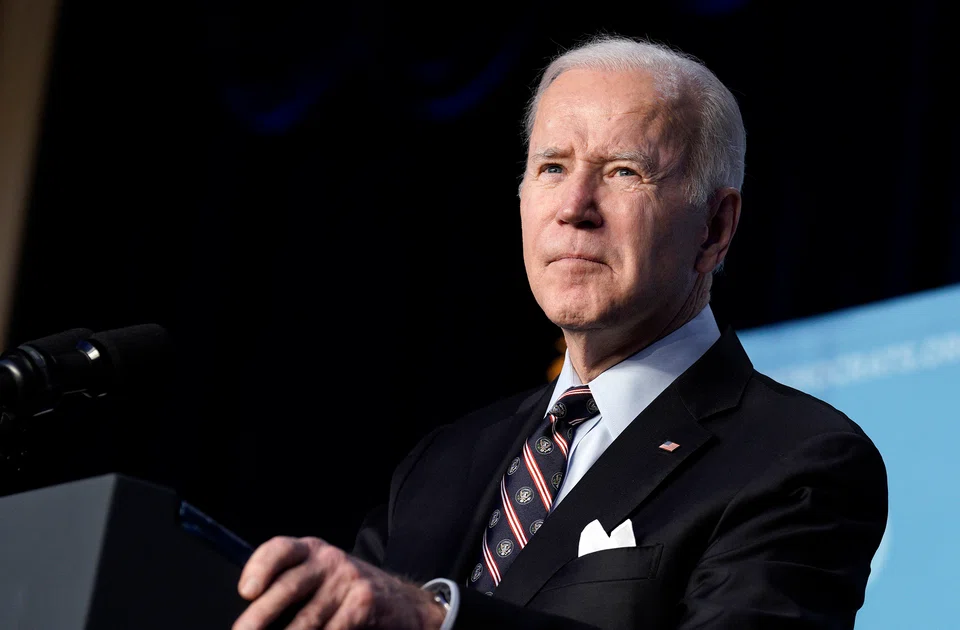
THE US is willing to support Ukraine’s finances with US$1.5 billion a month in aid throughout the war against Russia and is pushing its European allies to commit to similar amounts, said people familiar with the matter.
The Biden administration, which signed off last week on US$4.5 billion in grants to cover the rest of the year, has held conversations with European Union (EU) officials – including in recent days – and has pressed Europe to do more, the people said, asking not to be identified because the discussions are private.
With the EU haggling internally over the delivery of previous pledges, allies have been discussing a more regular mechanism to help keep Ukraine’s economy afloat as the war drags on, one of the sources said.
Officials have been warned that there would be growing demands in Congress, whose approval is required for longer-term support, for more burden-sharing among allies, another source said.
The International Monetary Fund has previously said Ukraine needs about US$5 billion every month to cover essential services and keep its economy going. The country received about US$2 billion in aid last month, down from US$4.7 billion in August, Finance Minister Serhiy Marchenko said.
Bloomberg reported in July that a number of allies had privately criticised the bloc for not delivering on its commitments of nearly 9 billion euros (S$12.6 billion) and called on it at the time to do so urgently.
Navigate Asia in
a new global order
Get the insights delivered to your inbox.
EU leaders are expected to discuss Kyiv’s financial requirements, which the draft budget for 2023 has placed at US$38 billion, at a summit in the Czech Republic this week.
Diplomats preparing the leaders’ meeting were told last week that expected funding levels from European nations would be on a similar scale to the monthly US$1.5 billion the US was willing to provide, one of the sources said.
The funding was critical to covering essentials such as basic public expenditure, schools, hospitals and Ukraine’s electrical network, they added.
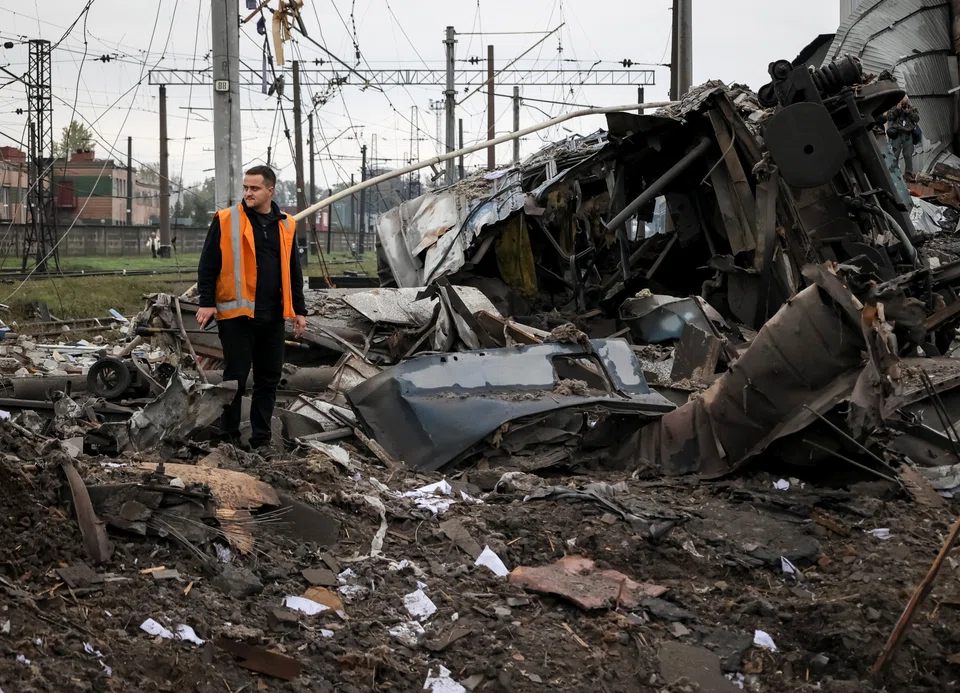
A number of senior EU officials have been extremely frustrated by the slow pace of the bloc’s decision-making over financial support for Kyiv, as well as lack of urgency among some national governments towards the debate, especially as winter approaches.
Amid disagreement among member nations over the details of the 9 billion euro-package, the bloc paid out 1 billion euros last summer, while another 5 billion euros have been approved but not yet delivered to Kyiv. The outstanding 3 billion euros remain stuck over issues including whether the aid should be in the form of grants or loans, and how to structure guarantees.
The EU has also supported Ukraine with 1.2 billion euros in loans in the first half of the year, as well as billions more to pay for weapons deliveries and longer-term reforms.
The bloc is also aiming to shepherd conversations around Ukraine’s post-war reconstruction, but officials admonish that Kyiv’s immediate needs are far more pressing, two of the sources said. BLOOMBERG
Decoding Asia newsletter: your guide to navigating Asia in a new global order. Sign up here to get Decoding Asia newsletter. Delivered to your inbox. Free.
Share with us your feedback on BT's products and services

