

US firms regain optimism on China after Trump-Xi trade truce
The two leaders are slated to meet four times in 2026
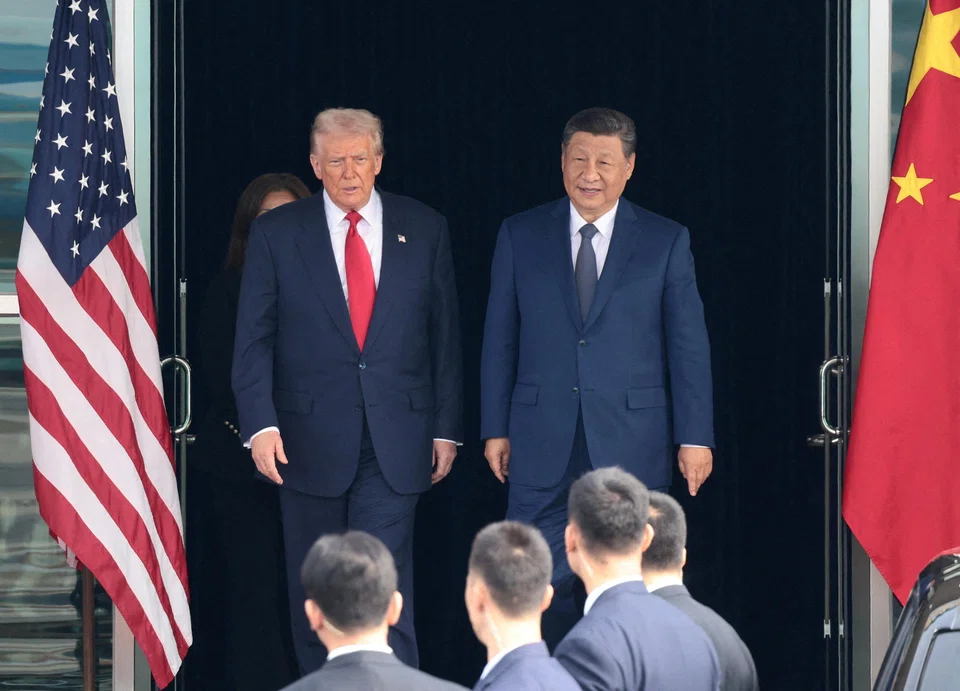
[BEIJING] US companies are more upbeat about doing business in China after a trade truce between US President Donald Trump and Chinese leader Xi Jinping, according to a survey by the American Chamber of Commerce in China.
About 48 per cent of respondents said they are optimistic about China’s market growth over the next two years, up 11 percentage points from the previous year. Another 27 per cent remained neutral.
Relations between Washington and Beijing have steadied after Trump and Xi met in South Korea on Oct 30, where they struck a trade truce and agreed to pause tariffs on each other for a year. The two leaders are slated to meet four times in 2026, including a likely visit by Trump to China in April, though his recent tariff threats over Iran risk triggering new tensions.
Most surveyed firms remained downbeat about US-China relations over the next two years, but the level of pessimism moderated to 52 per cent from 65 per cent in the previous report, AmCham said.
The survey also challenges the idea that multinationals are rushing to move operations out of China amid concerns over US tariffs. About 71 per cent of respondents said they have no intention to relocate their business overseas, citing China’s strategic importance as a key reason for staying.
More investment
About 57 per cent of US companies said that they plan to increase investment in China, driven by the country’s long-term market potential and strategic value. Those looking to scale back cited uncertainty in bilateral relations and worries about economic growth.
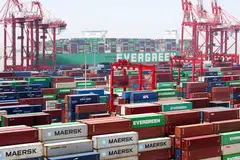
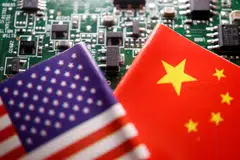


Companies’ financial performance improved in 2025 as well. About 52 per cent of firms reported being profitable or very profitable, up six percentage points compared to the previous year. The services sector recorded the strongest gains, with 61 per cent of companies reporting profitability.
Still, many firms reported continued non-tariff barriers over the past year, including slower customs clearance, delays in licensing and approvals, as well as tighter export control regulations as a result of trade tensions.
The survey was conducted from Oct 22 to Nov 20, and drew responses from 368 member companies. BLOOMBERG
Decoding Asia newsletter: your guide to navigating Asia in a new global order. Sign up here to get Decoding Asia newsletter. Delivered to your inbox. Free.
Share with us your feedback on BT's products and services
TRENDING NOW
World’s largest offshore wind platform by Seatrium consortium on track to be completed by 2028

Is stamp collecting enjoying an analogue revival or are its best days over?

GovTech retrenches another 38 staff in second round of layoffs
MBS adjusted property Ebitda falls 20.6% in Q3 with fewer high-roller visits, weaker hold

