US inflation expectations jump with Iran war, Fed survey finds
Food costs are seen rising by 6% over the next year
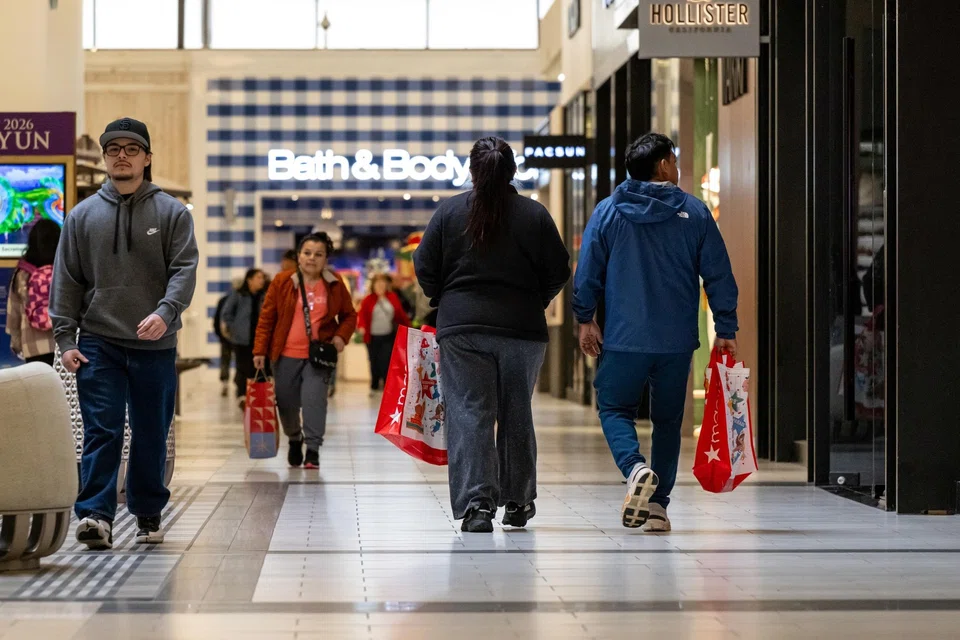
[NEW YORK] Near-term inflation expectations jumped in March by the most in a year as consumers anticipated higher gas and food prices with the onset of war in the Middle East, according to a Federal Reserve Bank of New York survey released on Tuesday (Apr 7).
US consumers said that they expected an inflation rate of 3.4 per cent over the next 12 months, up 0.4 percentage point from February, according to the median response in the New York Fed’s monthly Survey of Consumer Expectations.
The outlook for inflation in three years rose slightly to 3.1 per cent, and expected inflation in five years remained unchanged at 3 per cent.
The survey, conducted from Mar 2 to 31, captured a rise in consumer stress after the US and Israel launched their first strikes against Iran. The war has caused oil prices to surge and renewed upward pressure on inflation, which has run above the Fed’s 2 per cent target for five years.
Respondents said that they expected gas prices to be 9.4 per cent higher in one year, up 5.3 percentage points from before the conflict and the highest since March 2022. Food costs are seen rising by 6 per cent over the next year, up 0.7 percentage point from February.
Households expressed more pessimism over their finances, with a larger share reporting a worse financial situation compared to a year ago. The share of households expecting their finances to deteriorate over the next year also increased to the highest level since April 2025.
Fed officials have held their benchmark rate steady so far this year, with several policymakers signalling interest rates are well positioned for them to balance risks to both employment and inflation.
US job growth rebounded in March after a sharp decline in February, according to Labor Department data released last week.
Consumers have a mixed view of the labour market, the survey showed. On one hand, respondents saw a greater probability that the unemployment rate will be higher one-year from now, and the odds of losing one’s job in the next year also ticked higher. But the perceived chances of finding a job after becoming unemployed also increased.



Some Fed officials concerned about elevated inflation have characterised the labour market as stabilising and suggested the US central bank may need to raise interest rates if inflation remains stubbornly above target.
That group, however, remains a minority among policymakers. Investors largely expect the Fed to hold its benchmark rate steady this year, according to pricing in federal funds futures contracts.
The February report of the Personal Consumption Expenditures price index, the Fed’s preferred measure of inflation, will be released on Thursday. BLOOMBERG
Decoding Asia newsletter: your guide to navigating Asia in a new global order. Sign up here to get Decoding Asia newsletter. Delivered to your inbox. Free.
Share with us your feedback on BT's products and services