US manufacturing sector eyes recovery in September as production picks up
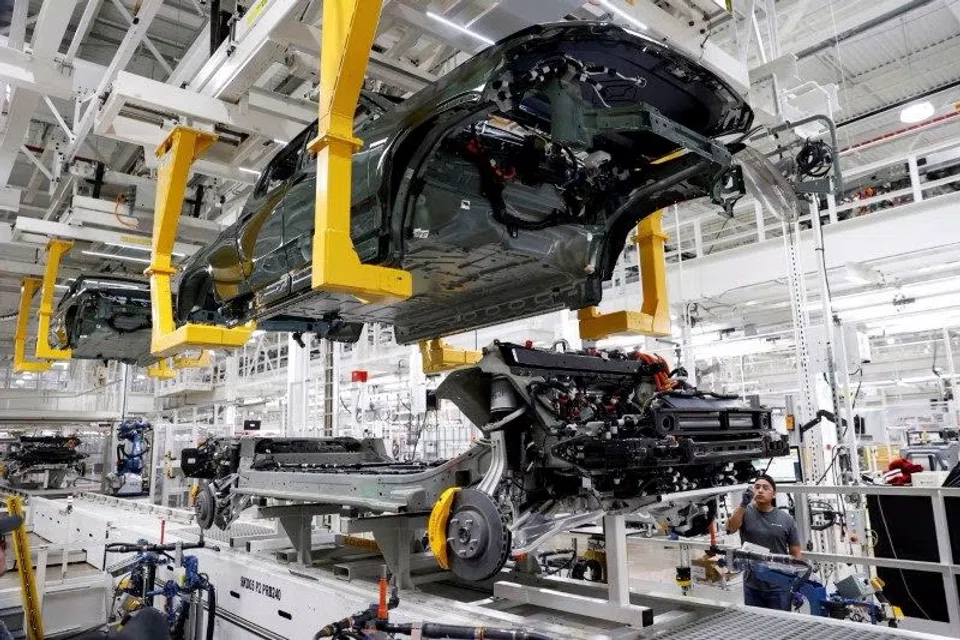
US MANUFACTURING took a step further towards recovery in September as production picked up and employment rebounded, according to a survey on Monday (Oct 2) that also showed prices paid for inputs by factories falling considerably.
The Institute for Supply Management (ISM) said that its manufacturing PMI increased to 49.0 last month, the highest reading since November 2022, from 47.6 in August. Still, September marked the 11th straight month that the PMI remained below 50, which indicates contraction in manufacturing. That is the longest such stretch since the 2007-2009 Great Recession.
“US manufacturing appears to be over the worst, but the outlook remain muted – particularly given the softness of global conditions,” said Paul Ashworth, chief North America Economist at Capital Economics in Toronto.
Economists polled by Reuters had forecast the index edging up to 47.7. Five manufacturing industries reported growth last month, including textile mills and primary metals.
Among the 11 industries reporting contraction were computer and electronic products, machinery as well as electrical equipment, appliances and components.
Comments from respondents in the survey continued to be mixed. Makers of transportation equipment said “orders and production remain steady, and we are maintaining a healthy backlog,” but cautioned that “continued inflation and wage adjustments continue to drive prices up, although we should get some relief from the markets stabilising.”
Manufacturers of miscellaneous goods said they were keeping an eye on the Panama Canal drought, US-China relations, and the impact the United Auto Workers strike on the supply chains. They, however, viewed overall conditions as “stable.”
Apparel, leather and allied products makers described markets as “soft,” while primary metals producers said “business conditions and market demand remain strong,” and they “projected to be at capacity in the next 12 months.”
Stocks on Wall Street were higher. The US dollar rose against a basket of currencies. US Treasury prices fell.
SEE ALSO






New orders improve
While the PMI and other business surveys have painted a grim picture of manufacturing, which accounts for 11.1 per cent of the economy, so-called hard data have suggested that the sector continues to chug along amid higher borrowing costs.
Orders for long-lasting manufactured goods increased 4.2 per cent year-on-year in August and business spending on equipment appears to have remained strong in the third quarter after rebounding in the April-June period.
The ISM survey’s forward-looking new orders sub-index increased to 49.2 last month from 46.8 in August. With new orders improving, production at factories accelerated. The production index increased to 52.5 from 50.0 in the prior month.
Though backlog orders shrank, inventories at factories and their customers remained very low, which should support future production. With demand still weak, prices for factory inputs remained subdued.
The survey’s measure of prices paid by manufacturers fell to 43.8 from 48.4 in August. This bodes well for goods deflation, but striking auto workers could boost prices of motor vehicles.
Factory employment improved further after slumping to three-year lows in July. The survey’s gauge of factory employment rose to 51.2 last month from 48.5 in August. REUTERS
Decoding Asia newsletter: your guide to navigating Asia in a new global order. Sign up here to get Decoding Asia newsletter. Delivered to your inbox. Free.
Share with us your feedback on BT's products and services