

US merchandise-trade deficit narrows on rise in exports
US producers have also exported more oil
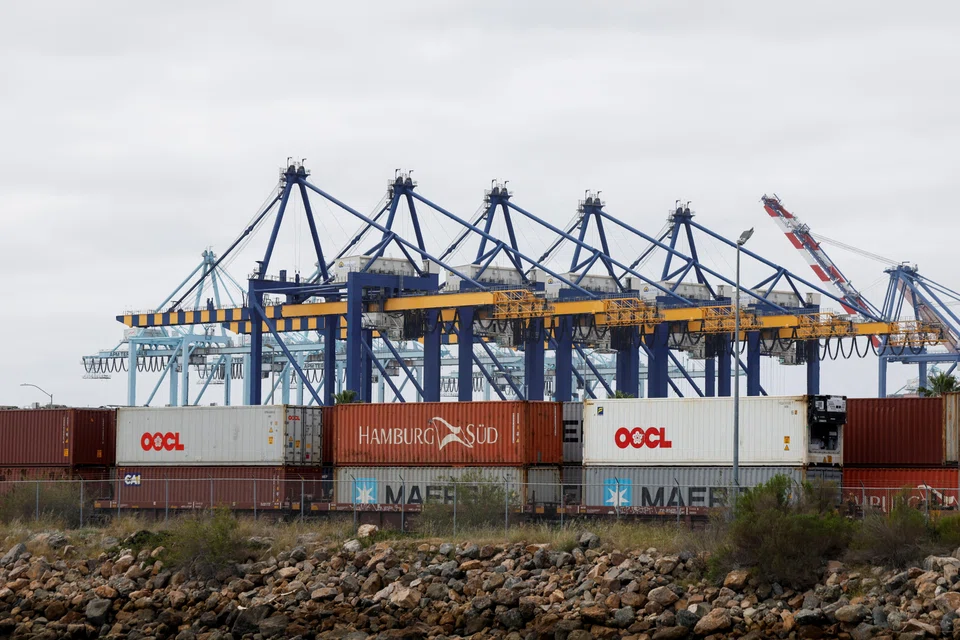
THE US merchandise-trade deficit narrowed in April, reflecting an increase in the value of exports of capital and consumer goods.
The shortfall in goods trade shrank 3.4 per cent from the prior month to US$82.4 billion, Commerce Department data showed on Friday (May 29). The figure isn’t adjusted for inflation. The median estimate in a Bloomberg survey of economists was a US$87 billion deficit.
US exports of goods increased 4 per cent. In addition to capital goods and consumer merchandise, outbound shipments of industrial supplies such as crude oil and petroleum products climbed. Imports rose 1.9 per cent
The effective closure of the Strait of Hormuz because of the Middle East conflict represents another challenge that companies have to navigate after the erratic rollout of US tariffs last year.
Economists say some companies have stepped up efforts to build inventories as a hedge against supply-chain disruptions. What’s more, there has been a steady flow of equipment imports for the artificial intelligence build-out.
In addition to the merchandise-trade data, the latest advance economic indicators report showed retail inventories rose 0.7 per cent. Stockpiles at wholesalers climbed 0.5 per cent.

With the war slowing the Middle East oil trade to a trickle, US producers have stepped in to pick up the slack. In April, the US exported a record volume of more than 6.4 million barrels a day, while shipments of fuels including petrol, diesel and jet also surged.
In the first quarter, net exports subtracted from the government’s calculation of gross domestic product by the most in a year.
More complete April trade figures that include the balance on the services account are due on June 9. BLOOMBERG
Decoding Asia newsletter: your guide to navigating Asia in a new global order. Sign up here to get Decoding Asia newsletter. Delivered to your inbox. Free.
Share with us your feedback on BT's products and services






