

US must lift curbs before Iran rejoins nuclear deal; Khamenei cites 'final' stance
 Add BT as a preferred source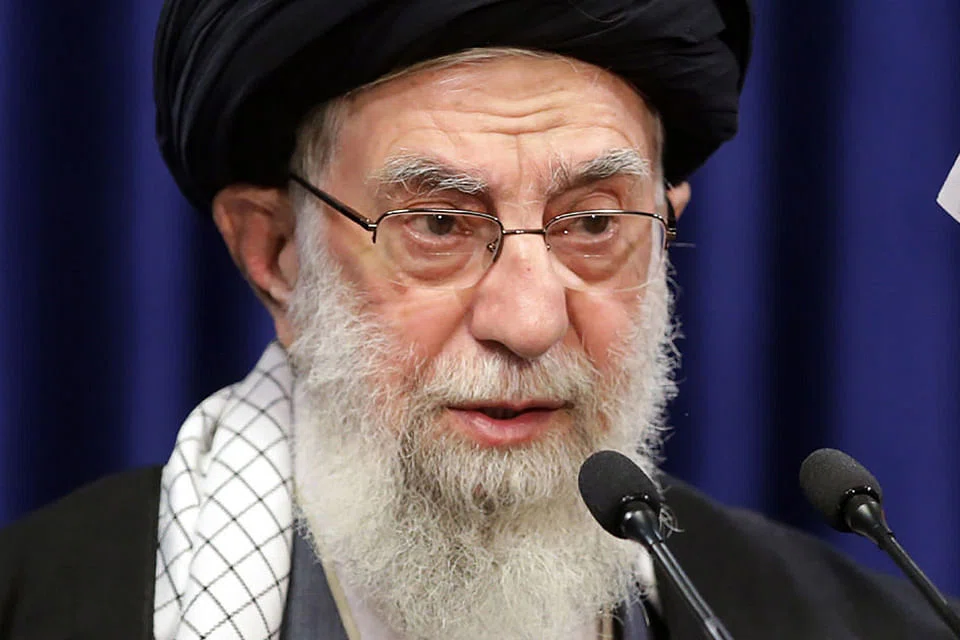
DeeperDive is a beta AI feature. Refer to full articles for the facts.
Dubai
IRAN'S Supreme Leader Ayatollah Ali Khamenei said on Sunday that Teheran's "final and irreversible" decision was to return to compliance with the 2015 nuclear deal only if Washington lifts sanctions on the Islamic Republic, Iranian state TV reported.
The deal between Iran and six major powers limited Iran's uranium enrichment activity to make it harder for Teheran to develop nuclear arms - an ambition Iran has long denied having - in return for the easing of US and other sanctions.
But former US president Donald Trump abandoned the deal in 2018, denouncing it as one-sided in Iran's favour, and reimposed sanctions that have crippled Iran's economy.
"Iran has fulfilled all its obligations under the deal, not the United States and the three European countries . . . If they want Iran to return to its commitments, the United States must in practice . . . lift all sanctions," state TV quoted Ayatollah Khamenei as saying in a meeting with Air Force commanders. "Then, after verifying whether all sanctions have been lifted correctly, we will return to full compliance . . . It is the irreversible and final decision and all Iranian officials have consensus over it."
In response to Mr Trump's withdrawal, Teheran has breached the deal's key limits one after the other, building up its stockpile of low-enriched uranium, refining uranium to a higher level of purity and using advanced centrifuges for enrichment.
Navigate Asia in
a new global order
Get the insights delivered to your inbox.
US President Joe Biden, who took office last month, has said that if Teheran returned to strict compliance with the pact, Washington would follow suit and use that as a springboard to a broader agreement that might restrict Iran's missile development and regional activities.
Iran has repeatedly said that it could quickly reverse those violations if US sanctions are removed but has ruled out any talks over the country's ballistic missile programme and Teheran's influence in the Middle East, where Iran and Saudi Arabia have been involved in proxy wars for decades. REUTERS
Decoding Asia newsletter: your guide to navigating Asia in a new global order. Sign up here to get Decoding Asia newsletter. Delivered to your inbox. Free.
Share with us your feedback on BT's products and services
TRENDING NOW

From 1MDB to ‘corporate mafia’: Is Malaysia facing a new governance test?
Middle East-linked energy supply shocks put Asean Power Grid back in focus

Beijing’s calculated silence on the Iran war
DPM Gan warns of 3 structural shifts to the global system that will bring greater challenges – and opportunities

