

US producer prices post biggest gain in four years in April
They have risen strongly in 2026, partly driven by higher energy costs from the Iran war
[WASHINGTON] US producer prices increased more than expected in April, posting their biggest gain since early 2022 – the latest indication that inflation was accelerating amid the war with Iran.
The producer price index (PPI) for final demand surged 1.4 per cent in April after an upwardly revised 0.7 per cent advance in March, the Labor Department’s Bureau of Labor Statistics (BLS) said on Wednesday (May 13).
April’s increase was the largest since March 2022, and the rise was in goods and services.
Economists polled by Reuters had forecast the PPI gaining 0.5 per cent after a previously reported 0.5 per cent increase in March.
Producer prices have risen strongly in 2026, partly driven by higher energy costs, as the US-Israel war with Iran disrupted shipping in the Strait of Hormuz.
The conflict is straining global supply chains, causing shortages of a wide range of goods, including fertilisers, aluminium and consumer products.
In the 12 months ended April, the PPI jumped 6 per cent.
It was the largest increase since December 2022 and followed a 4.3 per cent rise in March.
Part of the surge in the year-on-year PPI rate reflected low readings in 2025 dropping out of the calculation.


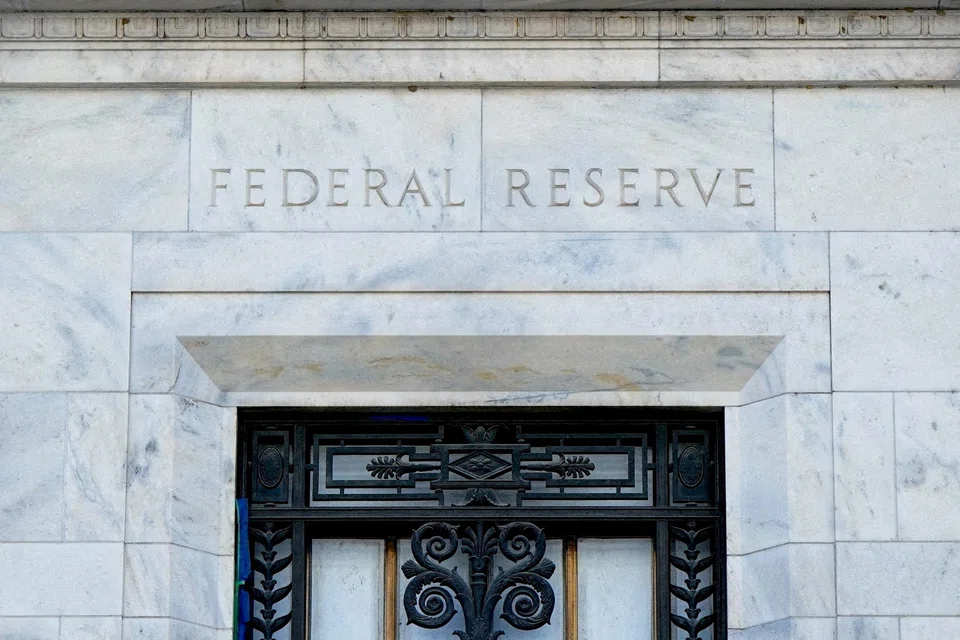
The rise in inflation is becoming pervasive, posing a challenge for the US Federal Reserve.
The BLS reported on Tuesday that the consumer price index rose further in April, with the annual inflation rate posting its largest gain in three years.
The US central bank tracks the personal consumption expenditures (PCE) price indices for its 2 per cent inflation target.
Prior to the PPI report, economists estimated that PCE inflation, excluding the volatile food and energy components, could rise by as much as 0.4 per cent in April after gaining 0.3 per cent in March.
Estimates for the year-on-year increase in the so-called core PCE inflation were as high as 3.4 per cent. It increased 3.2 per cent in March.
The Fed in April left its benchmark overnight interest rate in the 3.5 to 3.75 per cent range. REUTERS
Decoding Asia newsletter: your guide to navigating Asia in a new global order. Sign up here to get Decoding Asia newsletter. Delivered to your inbox. Free.
Share with us your feedback on BT's products and services
TRENDING NOW

DBS, OCBC, UOB rout lops billions off STI as inflation, rate concerns spook investors

Grab CEO’s wife Chloe Tong on life with Anthony Tan and finding her purpose

OCBC sheds S$8 billion in value as shares close nearly 6% down; analysts cautious on banks

Deal between tycoon friends sparks scrutiny of Philippine power sector

