US proposes 56% vehicle emissions cut by 2032, requiring big EV jump
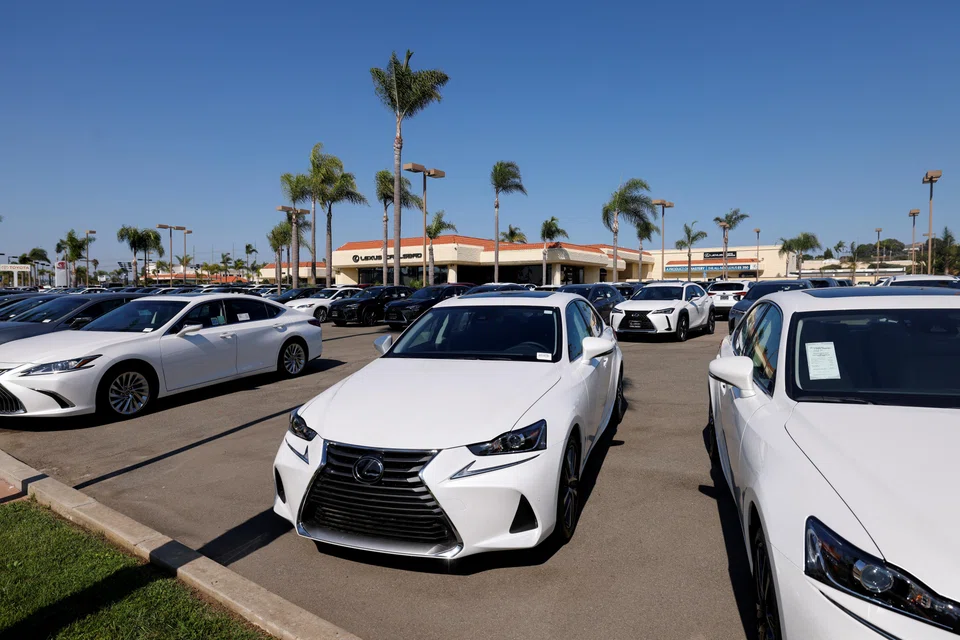
THE US Environmental Protection Agency (EPA) on Wednesday (Apr 12) proposed sweeping emissions cuts for new cars and trucks through 2032, a move the agency says could mean two out of every three new vehicles automakers sell will be electric within a decade.
The proposal, if finalised, represents the most aggressive US vehicle emissions reduction plan to date, requiring 13 per cent annual average pollution cuts. The EPA is also proposing new stricter emissions standards for medium-duty and heavy-duty trucks through 2032.
EPA projects the 2027-2032 model year rules would cut more than 9 billion tons of CO2 emissions through 2055 – equivalent to more than twice total US CO2 emissions last year.
The agency estimates net benefits through 2055 from the proposal range from US$850 billion to US$1.6 trillion. By 2032 the proposal would cost about US$1,200 per vehicle per manufacturer, but save an owner more than US$9,000 on average on fuel, maintenance, and repair costs over an eight-year period.
“A lot has to go right for this massive – and unprecedented – change in our automotive market and industrial base to succeed,” said John Bozzella, CEO of the Alliance for Automotive Innovation representing General Motors, Volkswagen, Toyota and others.
“Factors outside the vehicle, like charging infrastructure, supply chains, grid resiliency, the availability of low carbon fuels and critical minerals will determine whether EPA standards at these levels are achievable.”
The proposal is more ambitious than President Joe Biden’s 2021 goal, backed by automakers, seeking 50 per cent of new vehicles by 2030 to be electric vehicles (EVs) or plug-in hybrids. Stellantis said it was “surprised that none of the alternatives align with the President’s previously announced target of 50 per cent EVs by 2030.”
The Biden administration is not proposing banning petrol-powered vehicles, but wants comments on whether it should extend emissions rules through 2035 and on other alternatives. Some environmental groups want EPA to set tougher rules, especially on heavy trucks.
“These standards are very ambitious and they track with the sense of urgency that the president and this administration have as we tackle the climate crisis,” EPA Administrator Michael Regan said in a Reuters interview, declining to endorse setting a date to end the sale of new petrol-powered vehicles. He emphasised the proposal is a “performance-based standard” and not an EV mandate.
Under the EPA proposal, automakers are forecast to produce 60 per cent EVs by 2030 and 67 per cent by 2032 to meet requirements – compared with just 5.8 per cent of US vehicles sold in 2022 that were EVs.
California in August moved to require all new vehicles sold in the state by 2035 be electric or plug-in electric hybrids, but must still seek an EPA waiver to proceed. Regan would not to say how the EPA would react to a California request. “We’ll be on the lookout for that if it were to ever come,” he said.
Dan Becker, director of the Safe Climate Transport Campaign, said the EPA proposal should have been tougher.
“Automakers talk out of both sides of their tailpipes, promising electric vehicles while delivering mostly the same old gas-guzzlers and lobbying for weak, loophole-riddled rules,” Becker said.
Under the proposal, EPA estimates 50 per cent of new vocational vehicles like buses and garbage trucks could be EVs by 2032, along with 35 per cent of new short-haul freight tractors and 25 per cent of new long-haul freight tractors. Medium-duty vehicle rules are projected to cut emissions by 44 per cent over 2026. REUTERS
Decoding Asia newsletter: your guide to navigating Asia in a new global order. Sign up here to get Decoding Asia newsletter. Delivered to your inbox. Free.
Share with us your feedback on BT's products and services