
US retailers’ inflation-fighting discounts yield modest growth on Black Friday
 Add BT as a preferred source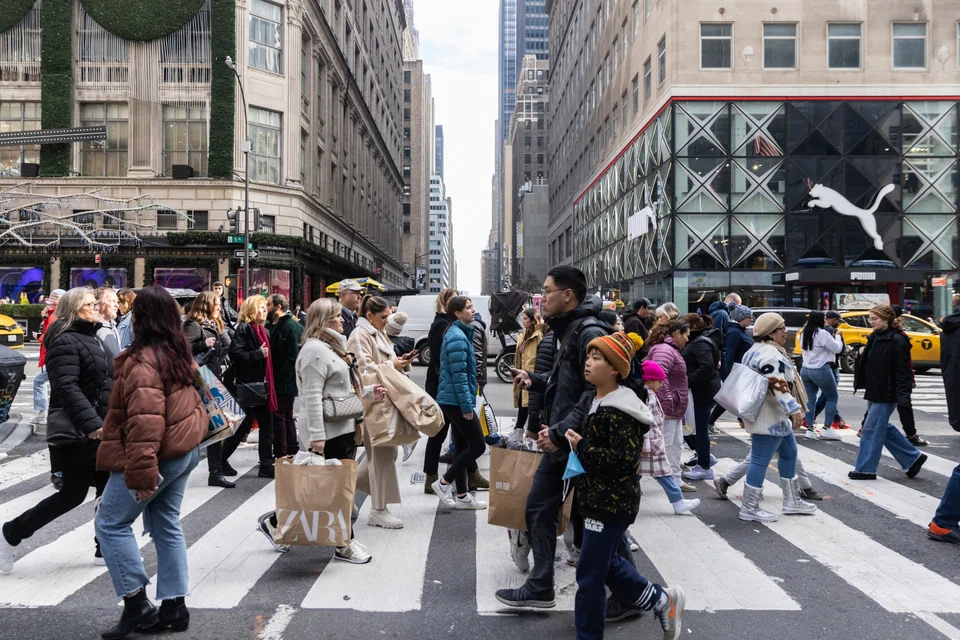
US retailers eked out modest growth over Black Friday weekend with deep discounts that lured shoppers seeking a reprieve from stubborn inflation.
In-store traffic ticked up 2.9 per cent at brick-and-mortar retailers versus 2021, according to preliminary data compiled by Sensormatic Solutions. Salesforce said the average consumer discount on Black Friday was expected to be greater than 30 per cent, up from 28 per cent last year and close to the 33 per cent rate in 2019.
“Actual sales volumes reflect a little inflation, but it’s also reflecting some growth,” Bloomberg Intelligence analyst Jennifer Bartashus said by phone on Sunday (Nov 27).
Retailers struggled to keep their shelves stocked last year because of supply-chain bottlenecks and got burned earlier this year after over-ordering – which has forced them into deep markdowns to flush out excess inventory. During the current holiday season, inflation is making that balance harder. Some retailers are banking on volume to make up for the discounts, while others are trying to spark repeat visits by getting shoppers in the door, Bartashus said.
“Inflation has made it very difficult for retailers, even some of the most seasoned retailers”, to effectively manage inventory, she said. “They had to make sure they were able to right-size inventory, have the right promotions, get people spending, and finish up the year on a strong note.”
While Cyber Monday results will paint a fuller picture of demand, retailers managed to meet expectations, she said. Even accounting for inflation, sales were slightly up overall.
Navigate Asia in
a new global order
Get the insights delivered to your inbox.
Online sales during the biggest US shopping day of the year rose 2.3 per cent to US$9.12 billion, Adobe Analytics said on Saturday. That was slightly ahead of the company’s initial projection of US$9 billion, although the percentage increase lagged far behind the country’s inflation rate, which is running at almost 8 per cent.
“People are still buying fewer items given that they’re stretching their wallets further,” said Rob Garf, Salesforce’s vice-president of retail.
While a definitive accounting of sales isn’t available yet, S&P Global Market Intelligence last week forecast that after adjusting for inflation, seasonal sales are likely to fall 1.2 per cent, the first decline since 2009.
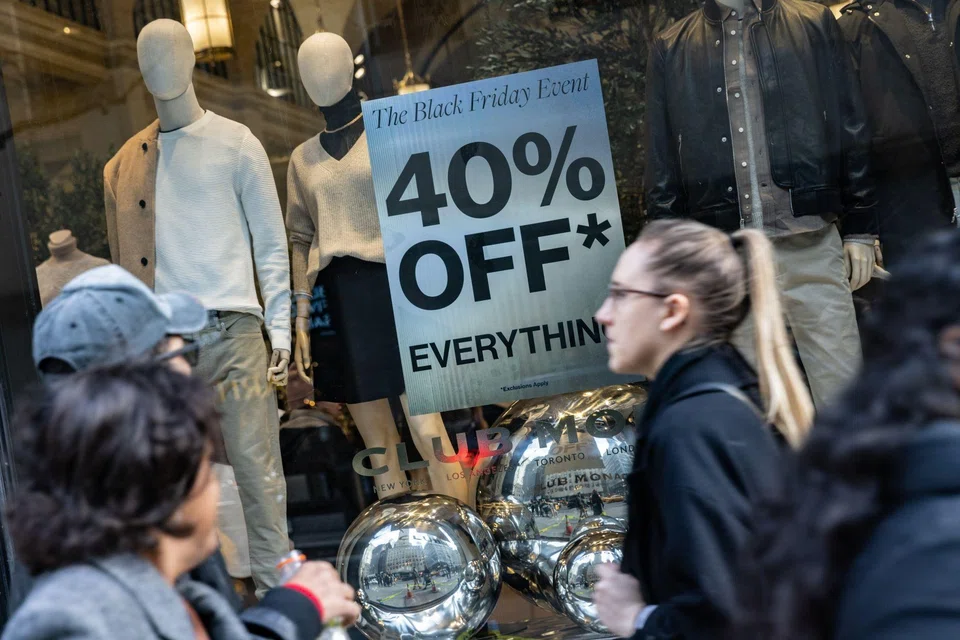
In-store traffic was lighter in part because the door-buster deals that had shoppers lining up at 5.00 am have been replaced by earlier online promotions, Bartashus said. More stores are offering “all-store” discounts instead of just select items.
There were pockets of growth in categories such as toys, or clothing for professionals seeking to update their wardrobes for return-to-office.
Shoppers spent their money primarily on electronics, smart-home items and audio equipment, while toys and sporting goods performed well, Adobe said.
Hot items included toys such as Fortnite, Roblox and Bluey. Shoppers also bought up Xbox Series X and PlayStation 5 devices, as well as drones and Apple MacBooks, Adobe said. BLOOMBERG
Decoding Asia newsletter: your guide to navigating Asia in a new global order. Sign up here to get Decoding Asia newsletter. Delivered to your inbox. Free.
Share with us your feedback on BT's products and services

