

US sanctions Hong Kong, Dubai entities over sale of Iranian oil to China
The Trump administration has been issuing new sanctions on Iran regularly
[NEW YORK] The US sanctioned a dozen entities for helping sell Iranian oil to China, stepping up its economic pressure as US President Donald Trump cast doubt on a continued ceasefire with Teheran.
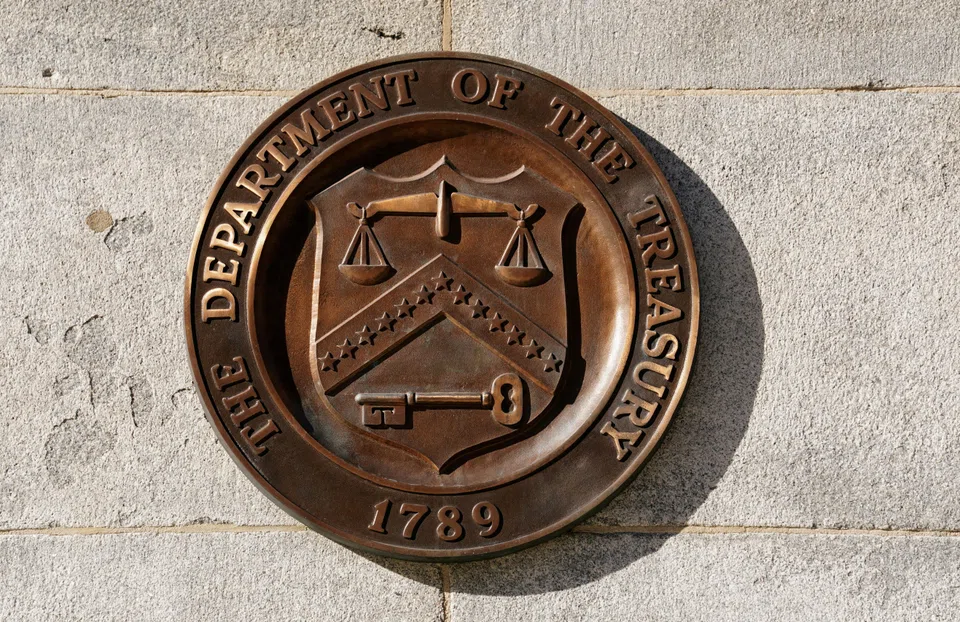
The US Treasury Department on Monday (May 11) blacklisted 12 firms and individuals, including some based in Hong Kong, Dubai and Oman, saying in a statement that they facilitated the sale of oil on behalf of the Islamic Revolutionary Guard Corps.
The department also reiterated a previous threat to take further action “against any foreign company supporting illicit Iranian commerce”, pointing to airlines or firms connected to Chinese oil refineries as possible targets.
“Treasury will continue to cut the Iranian regime off from the financial networks it uses to carry out terrorist acts and to destabilise the global economy,” Secretary of the Treasury Scott Bessent said in a statement.
The Trump administration has been issuing new sanctions on Iran regularly as part of its efforts to press the regime into an agreement to end the war and allow full shipping passage in the Strait of Hormuz. Some previous penalties were also aimed at Chinese firms.
Earlier Monday, US President Trump said that he had rejected Iran’s latest peace proposal, calling it a “piece of garbage” and that the ceasefire between the two countries is on “massive life support”. BLOOMBERG
Decoding Asia newsletter: your guide to navigating Asia in a new global order. Sign up here to get Decoding Asia newsletter. Delivered to your inbox. Free.
Share with us your feedback on BT's products and services
TRENDING NOW

DBS, OCBC, UOB rout lops billions off STI as inflation, rate concerns spook investors

Grab CEO’s wife Chloe Tong on life with Anthony Tan and finding her purpose

OCBC sheds S$8 billion in value as shares close nearly 6% down; analysts cautious on banks

Deal between tycoon friends sparks scrutiny of Philippine power sector

