US shutdown fallout will be short-lived if bill passes Monday
Washington is on the cusp of a partial federal closure that could be among the shortest
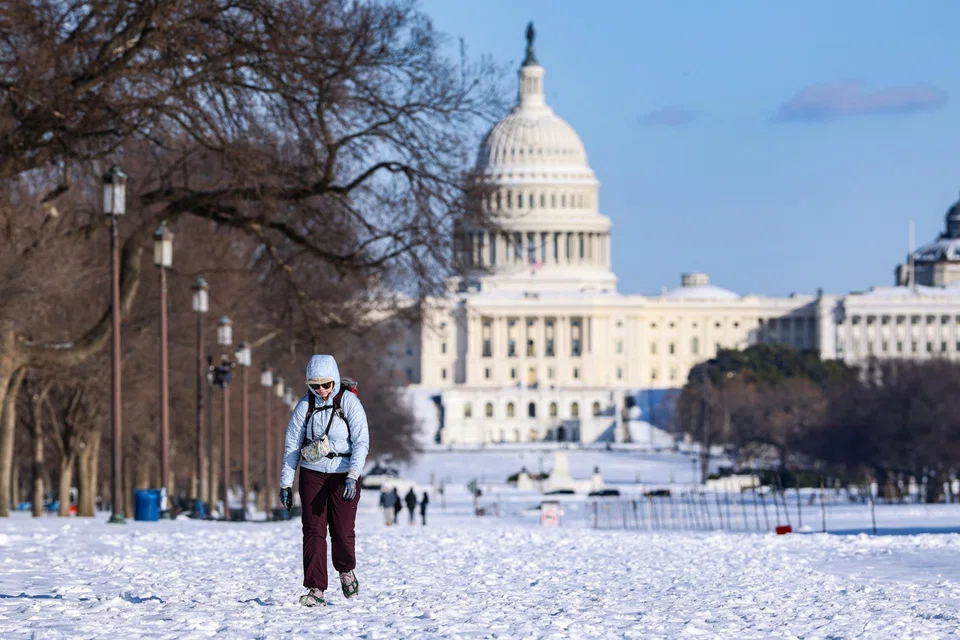
[WASHINGTON] The 43-day US government shutdown last fall was the longest and most disruptive ever. Now, Washington is on the cusp of a partial federal closure that could be among the shortest.
House and Senate leaders have agreed to a spending deal to keep the government open, but funding runs out at midnight on Friday (Jan 30), and it could take until Monday for both chambers to pass the bill and send it to President Donald Trump. The exact timing of that final passage could determine whether the government is shut down for a full weekday or not at all.
Agencies without long-term funding have already been preparing contingency plans, and the Office of Management and Budget (OMB) is expected to issue a formal shutdown directive late Friday if no deal is enacted by the deadline, said a White House official familiar with the process.
But the timing matters. The lapse would begin over a weekend, when most federal offices are already closed. Nearly all government employees who work weekends, including air traffic controllers, law enforcement officers and border agents, are deemed essential and would remain on duty regardless of funding status.
That means the real test would come on Monday. And that’s where OMB could have some flexibility.
Government appropriations are day-to-day and not hour-to-hour, so authority to spend for part of a day covers the entire day. Indeed, funding lapses of less than one day were once so common that government scorekeepers don’t count them as government shutdowns.
So if Congress passes a bill by early Monday, the White House could keep the government open pending Trump’s signature on the legislation, avoiding furloughs or other disruptions.
There is precedent for that approach. In 2018, Senator Rand Paul delayed passage of a continuing resolution past midnight until early morning. That meant a brief shutdown happened while Americans slept, and government offices opened on time. In 1982, a short lapse led agencies to tell federal workers to report to work but suspend normal duties until Congress acted, a grey area between a full shutdown and normal operations.
However long a 2026 shutdown were to last, it would be more limited than last year’s. That’s because the law ending the 2025 shutdown funded some agencies through the end of the fiscal year. Among them: US Department of Agriculture, whose decision to suspend food-stamp payments during the last shutdown was a key political pressure point.
SEE ALSO




Once affected agencies begin shutting down, a process that involves redirecting mail, backing up data servers and updating websites, it’s likely to last at least a day. That’s because agencies generally allocate a half day to initiate a shutdown, and then another half day to return.
And that one day could have consequences. The Bureau of Labor Statistics would suspend collection and publication of economic data, possibly delaying the release of January jobs data.
An early indication of the White House posture will come on Friday night. Hours before an anticipated shutdown, OMB typically instructs agencies how to handle the lapse in appropriations, a directive informed by the White House’s assessment of the timing of a spending bill. BLOOMBERG
Decoding Asia newsletter: your guide to navigating Asia in a new global order. Sign up here to get Decoding Asia newsletter. Delivered to your inbox. Free.
Share with us your feedback on BT's products and services