US, Taiwan to begin talks on a deal to address double taxation
It will reduce double taxation barriers for further investment by Taiwan into the US, and vice versa
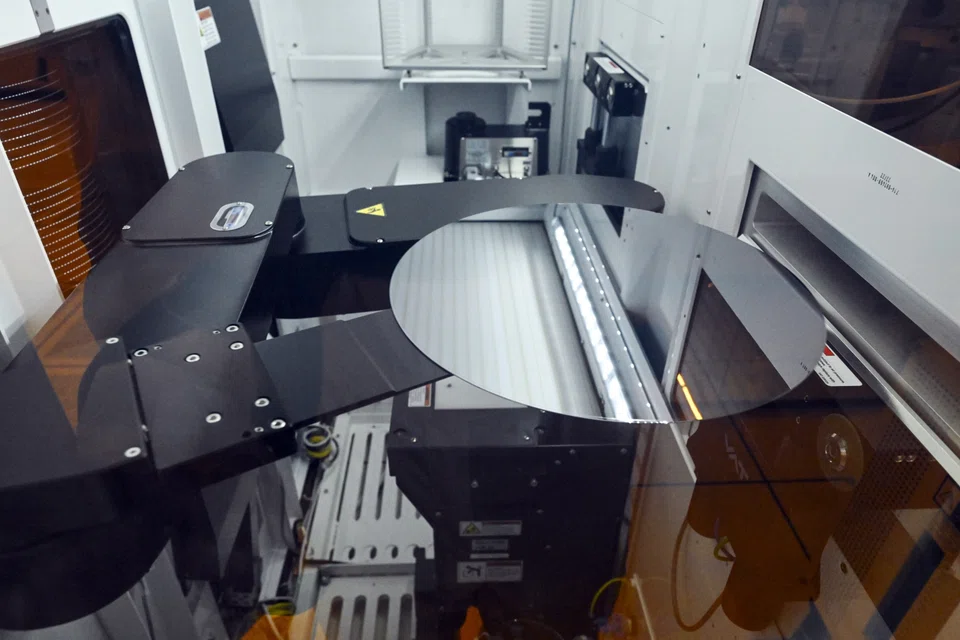
THE US and Taiwan will begin negotiations on addressing double taxation issues, paving the way for a deal that could reduce hurdles for businesses and boost investment in the semiconductor industry.
A comprehensive tax agreement “will reduce double taxation barriers for further investment by Taiwan into the United States, and vice versa, particularly for the small and medium-sized enterprises that are crucial to a complete semiconductor ecosystem,” the Treasury Department said on Tuesday (Oct 29).
The US has deep economic ties with Taiwan, a self-ruled island democracy claimed by China that has been a key source of semiconductors used in American industry. But there is no bilateral income-tax treaty between the two, and Taiwan’s firms see high US taxes as a major impediment to additional investment in America.
Washington has undertaken a major push in recent years to increase domestic manufacturing of critical components, and Taiwanese investment and expertise are essential to that effort.
A tax agreement would help strengthen the resilience of the semiconductor supply chain, create jobs, and incentivise investments in semiconductor manufacturing facilities across the US, the Treasury said.
The first round of negotiations is expected to take place in the coming weeks, the Treasury said. BLOOMBERG
Decoding Asia newsletter: your guide to navigating Asia in a new global order. Sign up here to get Decoding Asia newsletter. Delivered to your inbox. Free.
Share with us your feedback on BT's products and services