US, Taiwan reach trade deal focused on semiconductors, US Commerce Department says
Chipmakers like TSMC that expand US production will get a lower tax rate for semiconductors they import into the country
[WASHINGTON] The US and Taiwan clinched a trade deal on Thursday that cuts tariffs on many of the semiconductor powerhouse’s exports, directs new investments in the US technology industry and risks infuriating China.
The deal deepens the Trump administration’s ties with Taipei at a critical time as China ratchets up pressure on the island and Washington has worked to avoid an all-out trade war with Beijing.
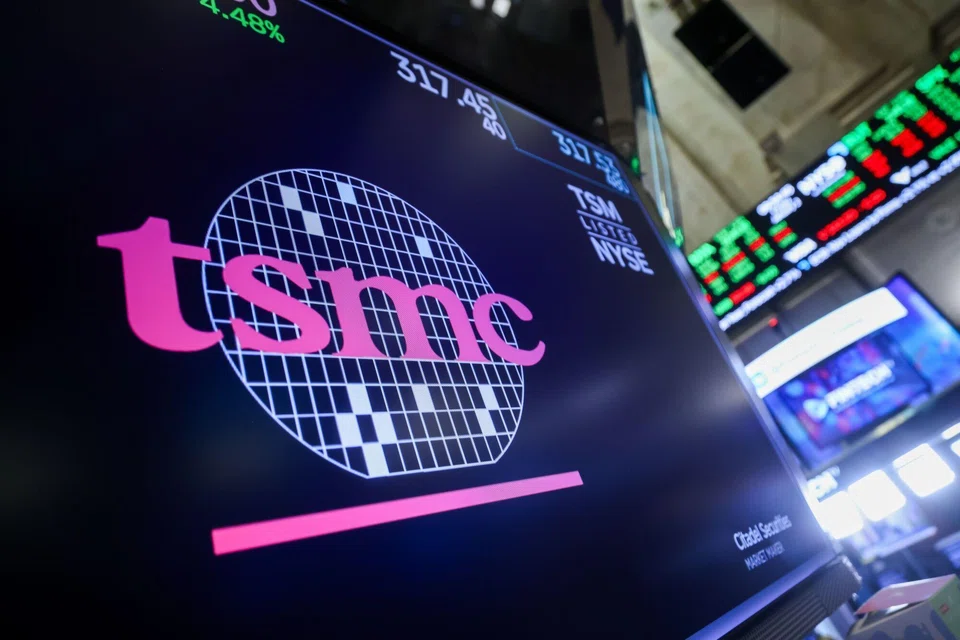
Under the long-negotiated deal, Taiwanese chipmakers like TSMC that expand US production will get a lower tax rate for semiconductors they import into the US. And a set of broad tariffs that apply to most other Taiwanese exports to the US will be lowered, from 20 per cent to 15 per cent.
Generic pharmaceuticals, aircraft components and “unavailable natural resources” will face a 0 per cent tariff, the Commerce Department said.
In exchange, Taiwanese technology companies, such as TSMC, are expected to make investments totaling at least US$250 billion to increase production of semiconductors, energy and artificial intelligence in the United States. That includes US$100 billion already committed by TSMC in 2025, with more to come, according to US Commerce Secretary Howard Lutnick.
Taiwan will also guarantee another US$250 billion in credit to make additional investments possible, the Trump administration said. REUTERS
Decoding Asia newsletter: your guide to navigating Asia in a new global order. Sign up here to get Decoding Asia newsletter. Delivered to your inbox. Free.
Share with us your feedback on BT's products and services