US trade deficit widens by the most in nearly 34 years in November
The trade gap increases 94.6% to US$56.8 billion
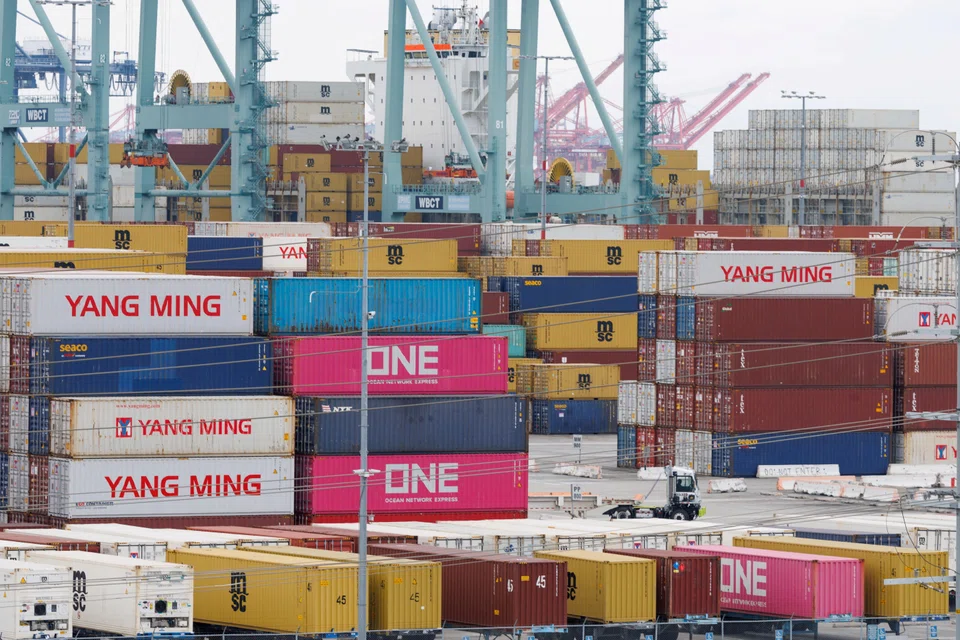
[WASHINGTON] The US trade deficit widened by the most in nearly 34 years in November amid a surge in capital goods imports, likely driven by an artificial intelligence investment boom, which could prompt economists to trim their economic growth estimates for the fourth quarter.
The trade gap increased 94.6 per cent to US$56.8 billion, the Commerce Department’s Bureau of Economic Analysis and Census Bureau said on Thursday (Jan 29).
The percentage change was the largest since March 1992. Economists polled by Reuters had forecast the trade deficit would rise to US$40.5 billion. The report was delayed because of the 43-day US government shutdown. Imports jumped 5.0 per cent to US$348.9 billion.
Goods imports advanced 6.6 per cent to US$272.5 billion, with capital goods soaring US$7.4 billion to a record high. They were boosted by strong gains in imports of computers and semiconductors. But imports of computer accessories decreased by US$3 billion.
Imports of other goods were also the highest on record. Consumer goods imports increased by US$9.2 billion, lifted by pharmaceutical preparations. There have been large swings in imports of pharmaceutical preparations, likely related to US tariffs. Imports of industrial supplies fell by US$2.4 billion.
Exports tumbled 3.6 per cent to US$292.1 billion in November. Goods exports plunged 5.6 per cent to US$185.6 billion. They were pulled down by a decline of US$6.1 billion in exports of industrial supplies and materials, reflecting decreases in non-monetary gold, other precious metals as well as crude oil, which dropped by US$1.4 billion.
Consumer goods exports decreased US$3.1 billion amid a decline in pharmaceutical preparations shipments. The goods trade deficit widened 47.3 per cent to US$86.9 billion. Imports of services fell, while exports in that category were the highest on record.
The deterioration in the trade deficit in November could temper economists’ expectations that trade will deliver another large boost to gross domestic product in the fourth quarter.
Trade contributed to GDP growth in the second and third quarters of 2025.
SEE ALSO






The Atlanta Federal Reserve is forecasting that GDP increased at a 5.4 per cent annualised rate in the fourth quarter, though estimates from big Wall Street banks, including Goldman Sachs, are running well below a 3 per cent pace. REUTERS
Decoding Asia newsletter: your guide to navigating Asia in a new global order. Sign up here to get Decoding Asia newsletter. Delivered to your inbox. Free.
Share with us your feedback on BT's products and services