US, UK announce deal on pharmaceutical tariffs, drug pricing
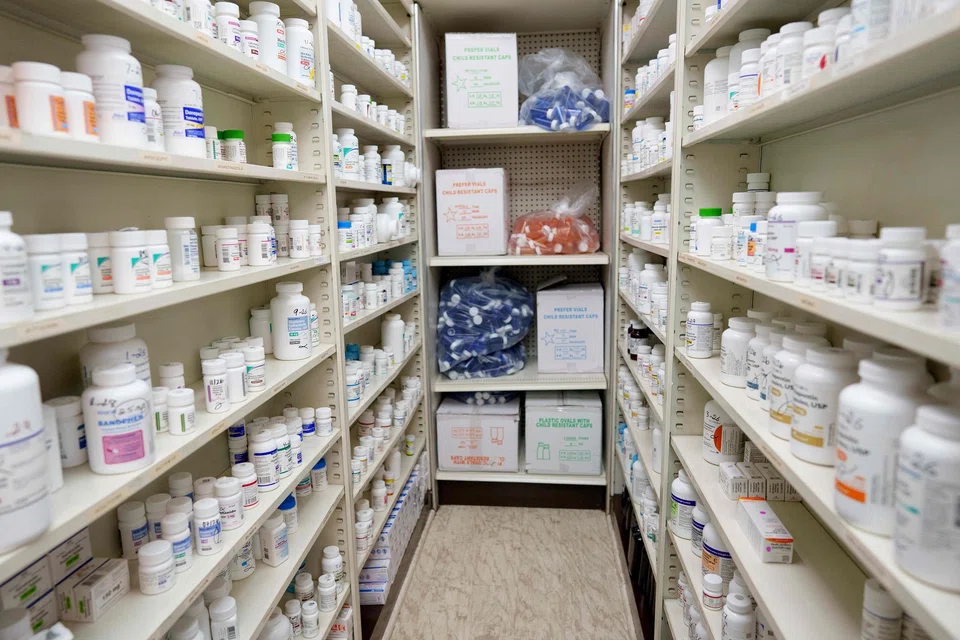
[WASHINGTON] The Trump administration has reached an agreement with the UK to allow tariff-free imports of pharmaceutical products in exchange for a significant reduction in rebates drugmakers pay to Britain’s National Health Service.
The US agreed to “exempt UK-origin pharmaceuticals, pharmaceutical ingredients, and medical technology from Section 232 tariffs,” the Office of the US Trade Representative announced on Monday. The US will also “refrain from targeting pharmaceutical pricing practices” in certain trade investigations during President Donald Trump’s term, according to the statement.
While the US and UK had agreed to a trade framework earlier this year that set a broad tariff rate on British goods, the two countries had yet to sort how key products would be treated, including pharmaceuticals.
The UK will increase the net price it pays for new medicines by 25 per cent, according to USTR. Some of the world’s biggest drugmakers have long criticised the British government over its approach to pricing and the clawback mechanism used to control costs in the state-run NHS. The deal reduces the rebate on medicine sales to the NHS to a maximum of 15 per cent, from the current level of about 23 per cent, people familiar with the matter said ahead of the announcement.
The Times newspaper first reported the UK is preparing to announce the deal. The Department for Business and Trade didn’t respond to a request for comment.
The UK uses a complex programme to put a limit on NHS spending on medicines. Called the voluntary scheme for branded medicines pricing, access and growth, or VPAG, if a level of spending on medicines is exceeded, drugmakers pay money back to the government via a rebate on sales of its medicines.
This has been a key complaint among drugmakers, who say they are paying back much higher amounts in the UK than in other European countries.
Trump has similarly offered relief to pharmaceutical makers from other large trading partners, including an agreement to cap the rate applied to drugs from the European Union at 15 per cent.
Trump has used powers under Section 232 of the Trade Expansion Act, which allows the US government to tariff goods seen as critical to national security, to target numerous sectors, including pharmaceuticals, in a bid to force companies to reshore production to the US and secure lower prices on imported medicines for Americans.
The administration is also using Section 301 of the Trade Act to investigate drug costs, an effort to pressure countries on their own prices. BLOOMBERG
Decoding Asia newsletter: your guide to navigating Asia in a new global order. Sign up here to get Decoding Asia newsletter. Delivered to your inbox. Free.
Share with us your feedback on BT's products and services