As US visa policies tighten, international students find a tougher job market
The new hurdles have been frustrating and nerve-wracking, the students say
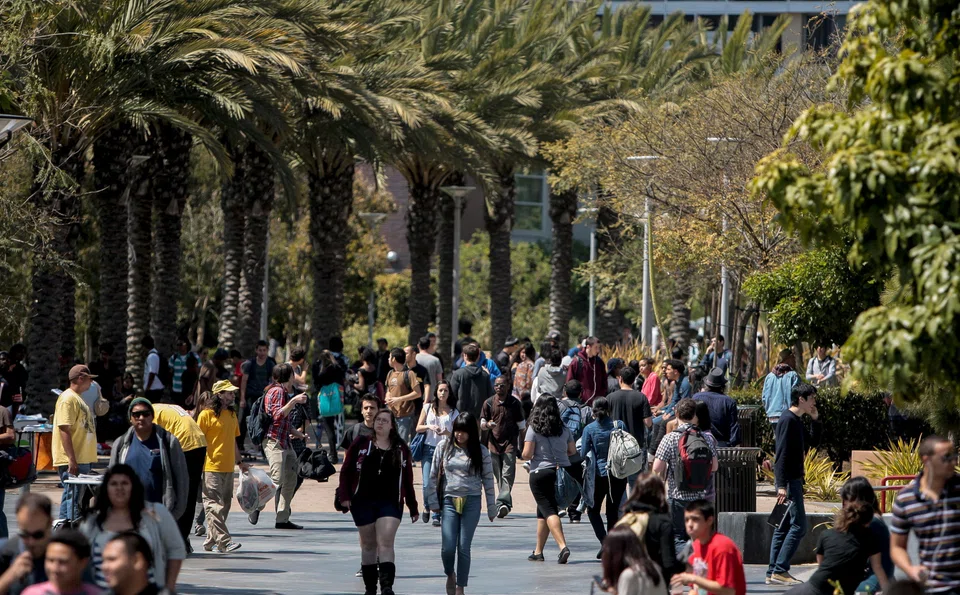
FOR decades, international students hoping to stay in the United States after graduation faced relatively few barriers. Temporary employment programmes designed to attract skilled talent made it easy to transition from studying to working. And employers were eager to hire these students, especially those with Stem degrees.
But that once open road to a job in the United States is now full of hurdles.
The Trump administration has upended the H-1B programme, a skilled-worker visa sought by many international students, by imposing a US$100,000 fee on new applicants and introducing a new lottery based on wage levels. And the Department of Homeland Security has indefinitely paused the processing of visa applications for people from 39 countries.
The director of US Citizenship and Immigration Services added to the uncertainty by questioning the future of the Optional Practical Training programme, which allows international students to work for up to three years in the country after graduation.
There is also a deadline. Most graduating students have up to five months to find a job before being kicked out of the country.
“It’s just getting unfriendlier and unfriendlier,” said Caroline Liu, 21, a Chinese citizen who is a graduating computer science major at the Massachusetts Institute of Technology.
Supporters of the new visa rules say that lowering the number of foreign students — 1.3 million in 2025 — will protect jobs for Americans, especially in a challenging job market.
Overall hiring has slowed, tech companies are laying off workers by the thousands, and the rise of artificial intelligence has intensified fears that some jobs will disappear altogether.
The unemployment rate for college graduates increased to 5.6 per cent at the end of last year, compared with an overall rate of 4.3 per cent at the time, according to an analysis from the Federal Reserve Bank of New York.


Abigail Jackson, a White House spokesperson, said in a statement that “by discouraging companies from spamming the system and driving down wages,” the new fee on H-1B visa applications ensures “that American businesses who actually want to bring high-skilled workers into our country have the certainty they need.”
A few changes to immigration rules may benefit some international students. The new US$100,000 fee for H-1B applicants applies only to people who do not already live in the country, meaning that international students in the United States actually had better odds of winning that visa lottery this year because of fewer applications from people abroad.
In interviews with more than a dozen graduating students, few said they had expected an easy path to finding a stateside job, especially in this market.
But the new hurdles, they said, have been frustrating and nerve-wracking. Some described promising interviews that suddenly went south when their visa status came up. Others wondered whether the visa question on applications automatically screened them out.
“I applied to over 700 jobs,” said Sid Chakravarthy, 21, a graduating math and economics major at Boston University who was born and raised in Dubai, United Arab Emirates. “The first 500 I think I was getting auto rejected, even for jobs I qualified for.”
Many students had taken out loans or dipped into family savings with the hope that after graduation, they could stay and gain valuable work experience, which could be another step toward settling in the United States in the long term.
Before graduating in December from a doctoral programme at the University of Texas at Dallas, Ghazal Rastegar, 32, had lined up a job in her lab to continue her doctoral research, which focused on easing the long-term side effects of chemotherapy for children with cancer.
But Rastegar has been unable to start that job because she is from Iran, one of the countries subject to a pause in visa processing. She is now applying for jobs in Europe and Australia, and the chemotherapy project has been delayed indefinitely.
“American taxpayer money has paid hundreds of thousands of dollars for my Ph.D.,” Rastegar said in an interview from Dallas, where she has been living at a friend’s house. “I just wanted to give back a little.”
The fast-changing immigration rules and uncertainty have rattled employers.
At Cornell University, the percentage of internal job board postings that offered work visa sponsorship declined to 2.5 per cent in April, from 4.6 per cent in March 2025, said Erica Ford, who works with international students at the university.
Interstride, a global job search platform, said that over the past year, it had seen a nearly 25 per cent drop in the number of US positions that were open to international talent.
“I’ve seen a lot of ebbs and flows of the market over the years,” said Michael Ryan, a senior director of employer engagement at William & Mary’s business school in Williamsburg, Virginia. “This market for international students has been the most challenging.”
Surveys have shown that work opportunities were a major lure for international students choosing US academic programmes. The narrowing of work options could spell trouble for universities, many of which financially depend on international students, who often pay full freight.
It could also upend a crucial talent pipeline. In 2025, nearly half of the doctoral and master’s diplomas in science, tech and engineering went to international students. Since 2000, more than one-third of American Nobel Prize winners in chemistry, medicine and physics have been immigrants.
But even employers still open to hiring international students say the bar is higher now, given the added paperwork and changing visa rules.
Veronica Maria Parellada Eller, an investment adviser in Miami, said international students often had strong resumes and language and cultural skills well suited to her boutique wealth management firm, which caters to both American and international clients.
But, Eller said, “it’s just so much easier to hire an American student.”
Some college career counselors say they are spending more time explaining the shifting rules to potential employers. They are also advising international students to focus on networking and making a realistic backup plan.
“Before, students might not have taken it so seriously, but now they know they really need one,” said Shihling Chui-Dwyer, a career services consultant at Purdue University.
Going back
Some international students are going home. Daniela Ramirez, 28, plans to move back to Central America after she graduates with a master’s degree in law and diplomacy from Tufts University, near Boston.
Last year, federal agents detained a classmate Rumeysa Ozturk, for several weeks, after the Trump administration accused her of antisemitism for writing an opinion piece that criticised the university’s response to pro-Palestinian demands.
That incident scared Ramirez, who said she had criticised the administration on social media.
“I just didn’t want to lead a life where I could be afraid,” said Ramirez, who is from Honduras.
Even students who have gotten jobs are wary.
Uzair Sattar, 27, a second-year student at the George Washington University Law School, chose an internship at a law firm with international offices so that if he receives a job offer but is unable to get a visa, he could transfer to an office abroad.
Sattar, who is from Pakistan, said that while he enjoyed living in the United States, he had advised his cousins and friends not to come.
“What Trump has been doing in his second term just makes the US generally a less attractive place to live,” he said.
“You could be your best student self, your best work self,” he said, but then “an arbitrary immigration regime can make you start from scratch.” NYTIMES
Decoding Asia newsletter: your guide to navigating Asia in a new global order. Sign up here to get Decoding Asia newsletter. Delivered to your inbox. Free.
Share with us your feedback on BT's products and services