

Vanished US$4b brings down century-old Brazilian retailer in just a week
 Add BT as a preferred source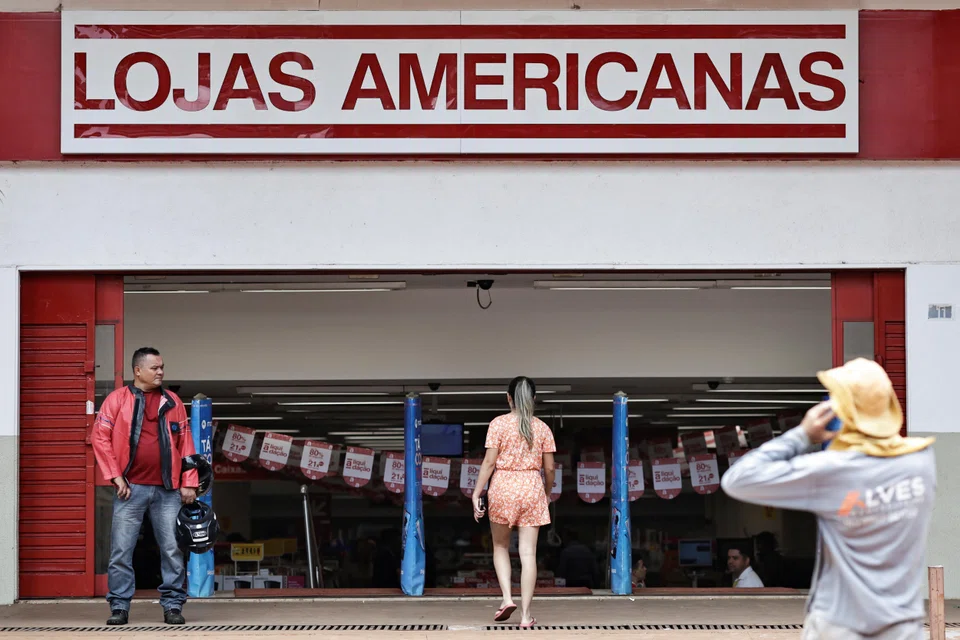
DeeperDive is a beta AI feature. Refer to full articles for the facts.
HOURS after revealing a scandal that would roil Brazilian markets, Sergio Rial joined a Zoom call with hundreds of panicked investors. It was an attempt to explain the US$4 billion accounting gap that pushed him to quit his new job at the helm of retailer Americanas.
The Jan 12 call was a tumultuous mix of English and Portuguese that some analysts were locked out of because the meeting had reached its thousand-participant capacity. Those who were able to cram into the headquarters of Banco BTG Pactual – the Sao Paulo-based creditor that was hosting the event – were left “perplexed” by Rial’s presentation, as one participant put it.
Four hours later, when the shares started trading, the stock plummeted 77 per cent, wiping out US$1.6 billion in market value. By the end of the day, the bonds had lost half their value.
Within a week, the company filed for bankruptcy protection with US$8.2 billion of debt.
“I don’t think there’s a company whose debt (made it go) down this much in two to three days,” said Omotunde Lawal, a portfolio manager at Barings UK who focuses on emerging-market debt. “Maybe this is the fastest plunge ever.”
The startling and rapid meltdown has left Brazilians with the prospect of losing a ubiquitous company known for its iconic red-and-white logo and holiday sales. Americanas was founded in 1929 in Rio de Janeiro.
Navigate Asia in
a new global order
Get the insights delivered to your inbox.
Its collapse dragged down the country’s stock market, sent creditors rushing to organise, and pitted some of the nation’s most famed investors against each other.
BTG Pactual, owned by billionaire Andre Esteves, called it “the biggest fraud in Brazil’s capital markets”.
It was a sharp reversal for a company that had seen its stock rally after Rial was named chief executive last August, a job he started only on Jan 2. Investors thought Americanas, which has been backed by billionaires Jorge Paulo Lemann, Marcel Telles and Carlos Alberto Sicupira for more than four decades, was set for improved performance under the 62-year-old former banker’s leadership.



The company unravelled on the night of Jan 11, when it announced “inconsistencies” that had artificially boosted profits and reduced reported liabilities by half.
Its disclosures implied that it misreported numbers tied to the financing of debts with suppliers, while also wrongly deducting interest paid to lenders from its liabilities.
In the Thursday (Jan 19) bankruptcy-protection filing, lawyers for the company said: “Due to unexpected reasons that rocked the group’s structure, the petitioners saw their cash and revenue expectations crumble within minutes.”
Bondholders face US$8.2 billion debt restructuring
The findings set off a whirlwind week, in which Rial decided to personally deliver the bad news to a group of employees. Many of them had been working at Americanas for decades, and put all their savings in shares of the company.
“Your faces are not particularly nice. But their faces were in deep pain,” he told investors on the BTG call, recalling the meeting with the employees.
Americanas’ market value collapsed 90 per cent from its peak, which it hit during the coronavirus pandemic. Wall Street analysts quickly put their valuations under review and ratings firms downgraded the debt.
Afterwards, banks refused to advance credit-card receivables, draining more than three billion reais (S$759 million) from the company’s cash.
After the Thursday bankruptcy protection filing, MSCI and Brazilian stock exchange operator B3 removed the stock from their indices.
Americanas was granted emergency temporary protection against creditors by a court in Rio de Janeiro on Jan 13, which also forbade them from freezing or seizing assets. The decision surprised bankers, who rushed to file motions to overturn the decision.
Days later, BTG was allowed to block 1.2 billion reais to compensate part of the company’s debt. That triggered a similar reaction from other creditors, which also cut credit lines, accelerating the crisis.
The collapse threatens to tarnish the reputation of Lemann and his partners, as well as lead to losses in the shares they hold in Americanas.
The trio controlled the company until they were diluted in a 2021 reorganisation, which left them with a stake of 31 per cent, but they are still the main shareholders. They told the board they planned to keep supporting the company, but investors fear that any negative outcome may hurt other businesses in which they are involved, such as Kraft Heinz and Anheuser-Busch InBev.
Americanas said in its bankruptcy-protection filing that the move by creditors to declare the early maturity of obligations closed “the door to any kind of viable friendly negotiation”. The retailer has 43 billion reais in debt and now has 48 hours to present a list of creditors, which have already started to organise.
Investment banks Moelis & Company and Seaport Global Securities are separately pitching to organise bondholders into a group.
Investors holding local debt have hired lawyers and were deciding whether to work with a financial adviser, said a person familiar with the matter, who requested anonymity.
“It’s hard to tell what the bankruptcy process will bring,” said Omar Zeolla, an analyst at Oppenheimer. While Americanas’ main shareholders seemed “willing to contribute capital”, it was difficult to “see at the moment how that could play out in terms of recovery for bondholders”, he added. BLOOMBERG
Decoding Asia newsletter: your guide to navigating Asia in a new global order. Sign up here to get Decoding Asia newsletter. Delivered to your inbox. Free.
Share with us your feedback on BT's products and services
TRENDING NOW

Air India asks Tata, Singapore Airlines for funds after US$2.4 billion loss
‘Boring’ is the new black: The stars are aligning for a Singapore stock market revival

From 1MDB to ‘corporate mafia’: Is Malaysia facing a new governance test?

South-east Asian markets account for 8.8% of global capital inflows from 2021 to 2024: report

