Vietnam exports post longest stretch of declines since 2009
 Add BT as a preferred source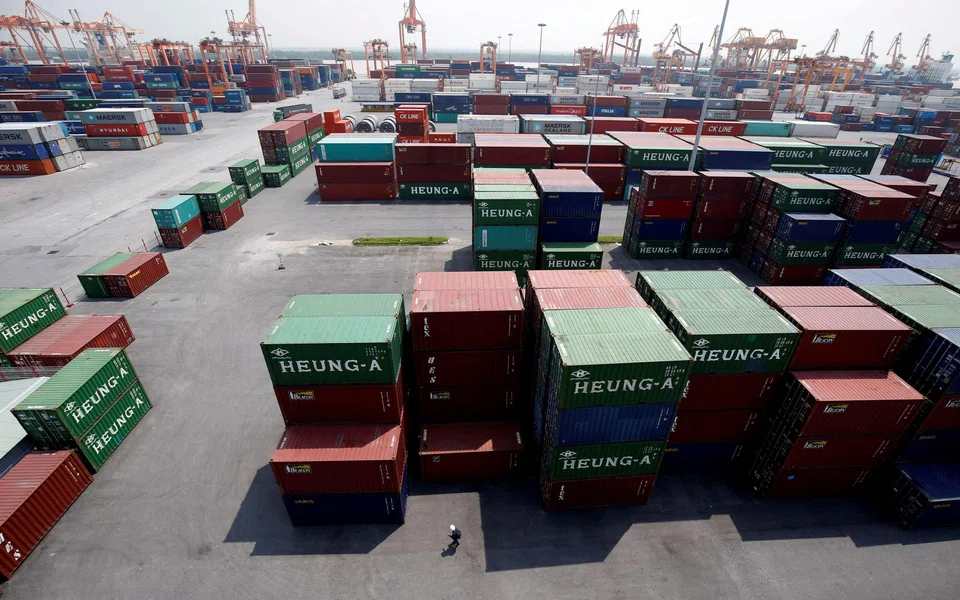
VIETNAM’S exports fell for a fifth consecutive month in July in their longest slump in 14 years, putting the trade-reliant economy at risk of missing its growth target.
Exports dropped 3.5 per cent this month, while imports declined 9.9 per cent, data released by the General Statistics Office on Saturday (Jul 29) showed. Economists surveyed by Bloomberg predicted a 6 per cent drop in overseas shipments, and 13.1 per cent slide in imports.
Headline inflation was little changed in July from a year ago at 2.06 per cent, according to the statistics office. That compared with a median estimate for a 1.9 per cent year-on-year increase in prices.
The core measure, which strips out food, fuel, healthcare and education services, climbed 4.1 per cent in July from a year ago after gaining 4.3 per cent in June.
Steady inflation will give the central bank scope to further reduce borrowing costs to support businesses as the government seeks ways to bolster the economy after a warning that Vietnam may miss its 6.5 per cent growth target this year.
Prime Minister Pham Minh Chinh on Jul 27 asked the central bank to come up with measures by the end of this month to improve access to bank loans while reiterating calls for lower lending rates to spur business activities.

The State Bank of Vietnam has cut interest rates four times this year and signalled that it will slow monetary easing amid concerns of bad debt, the pressure on the banking system and the impact on the currency.
Decoding Asia newsletter: your guide to navigating Asia in a new global order. Sign up here to get Decoding Asia newsletter. Delivered to your inbox. Free.
Share with us your feedback on BT's products and services