

Vietnam replaces trade minister as leadership review begins
The current chairman of PetroVietnam, Le Manh Hung, becomes the acting minister of industry and trade
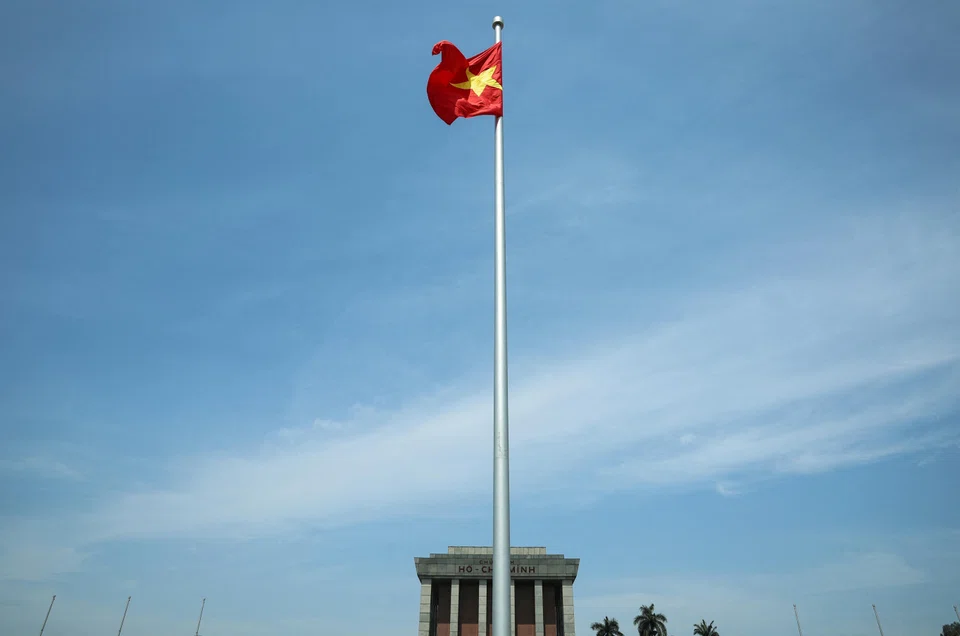
[HANOI] Vietnam has replaced the trade minister who oversaw US tariff deal negotiations, as Communist Party officials meet to decide who will be in contention for the country’s top leadership positions.
Le Manh Hung, currently the chairman of PetroVietnam, becomes the acting minister of industry and trade, indicated on a post on the government’s website.
The current minister, Nguyen Hong Dien, will move to become deputy-secretary of the National Assembly Party Committee for the 2020 to 2025 term, the trade ministry said.
The announcement comes as the Party Central Committee began its 15th plenum on Monday (Dec 22), to discuss key issues ahead of the twice-a-decade party congress, scheduled to take place in Hanoi in January. This is where the country’s top leaders will be elected for the next five years, and key policy targets will be set.
“The selection of personnel for the party’s top leadership, who will lead the implementation of highly ambitious, decisive and urgent goals, and tasks for national development in the new phase, must be conducted with utmost thoroughness, certainty, prudence and accuracy,” said party chief To Lam, in a statement on the government website.
Lam, 68, is seeking a full five-year term after he was elevated to the party chief position in August 2024, following the death of his predecessor Nguyen Phu Trong.
Since then, he has slashed the size of the bureaucracy, abolished a tier of local government and reduced the number of provinces by half, some of the most sweeping changes since the Doi Moi reforms of the late 80s.
Hung, 52, who is from Hung Yen province, the same region as To Lam, has held senior leadership roles at the state-owned oil and gas group and its subsidiaries.
Dien was tasked with overseeing trade deal negotiations with the US, the nation’s largest export market, after US President Donald Trump initially threatened a 46 per cent tariff, which was later reduced to 20 per cent.

The two sides are still working to finalise the deal, but under a framework announced in October by the White House, Hanoi will provide preferential market access for nearly all US industrial and agricultural exports to Vietnam, while the US will offer zero tariffs on some selected products. BLOOMBERG
Decoding Asia newsletter: your guide to navigating Asia in a new global order. Sign up here to get Decoding Asia newsletter. Delivered to your inbox. Free.
Share with us your feedback on BT's products and services
TRENDING NOW

World’s largest offshore wind platform by Seatrium consortium on track to be completed by 2028

Is stamp collecting enjoying an analogue revival or are its best days over?

GovTech retrenches another 38 staff in second round of layoffs
MBS adjusted property Ebitda falls 20.6% in Q3 with fewer high-roller visits, weaker hold

