
Wall Street’s top cop warns on encrypted texts, market FOMO
 Add BT as a preferred source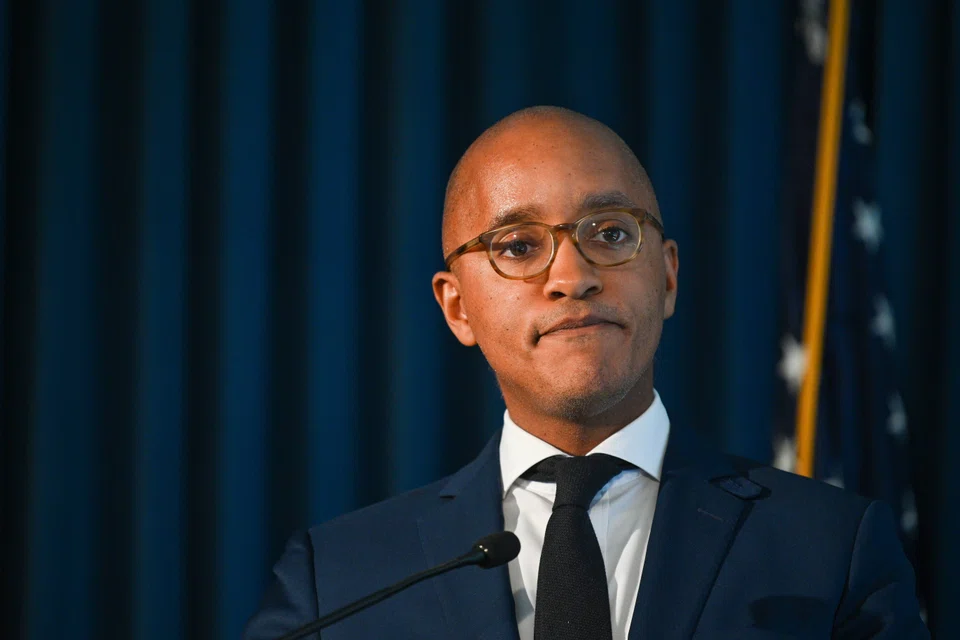
THE top federal prosecutor overseeing Wall Street says big banks and hedge funds should get a handle on employees’ use of messaging services like Signal or WhatsApp, because those encrypted apps are where his people will look for evidence of criminal activity.
“If I were head of a fund, and I had folks communicating about business on encrypted channels or personal devices, I would want to know,” said Damian Williams, US attorney for the Southern District of New York. “That’s where the bomb could be that blows up the whole shop.”
In an interview with Bloomberg, he repeatedly urged financial firms to step up compliance, so they could find out what might be going on before the government does and, ideally, self-report any illegal conduct.
The major white-collar cases Williams’ office brought in the past 2 months highlight the kind of behaviour the US attorney is targeting. Last month, a unit of Allianz SE pleaded guilty to shoddy oversight of its Structured Alpha funds and agreed to pay nearly US$6 billion in fines and restitution. A week later, Glencore entered 2 guilty pleas and agreed to pay US$1.1 billion for failing to find and report internal misconduct involving bribes and market manipulation.
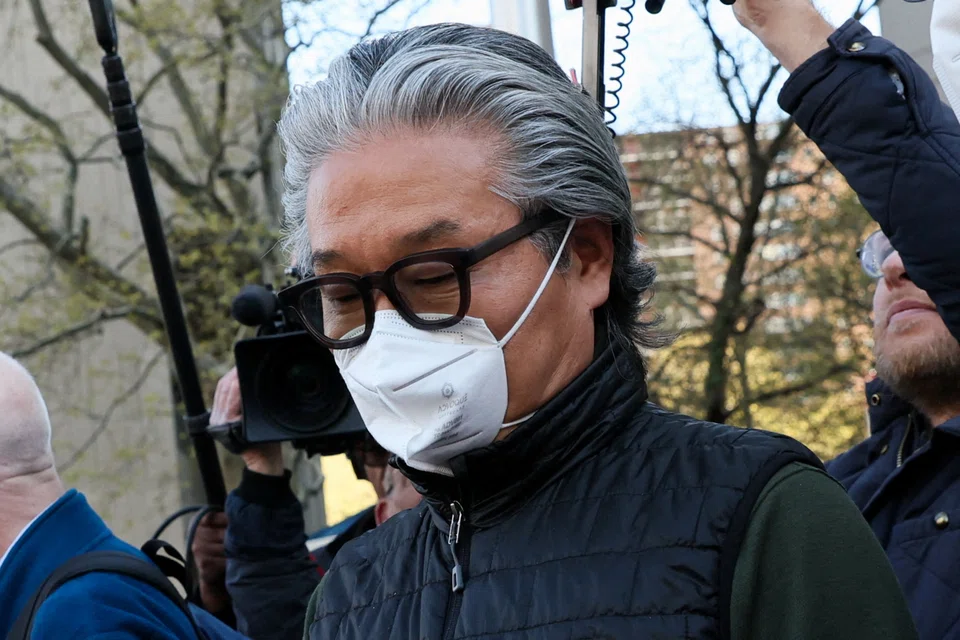
These corporate pleas came on the heels of the arrests of Bill Hwang and Patrick Halligan of Archegos Capital Management, who were charged with market manipulation and fraud.
The big cases have certainly sent a strong message to Wall Street, and Williams, who headed SDNY’s securities fraud unit before taking control of the whole office in October, is sure there are more to come amid the froth and turmoil of today’s markets.
Navigate Asia in
a new global order
Get the insights delivered to your inbox.
“I get concerned as a prosecutor when I see frenzies, when people believe they can get rich quick, when there’s a tremendous amount of FOMO,” he said. He thinks Wall Street firms should be similarly concerned.
Whatever white-collar cases his office may have in mind, Williams seems confident they will find evidence on the players’ phones. It’s a view shared by others charged with overseeing Wall Street. Six months ago, regulators imposed US$200 million in fines on JPMorgan Chase & Co for failing to monitor business-related messages on external channels like Whatsapp. And recently, the Securities & Exchange Commission, which often brings civil lawsuits in tandem with SDNY criminal charges, launched a major probe of clandestine texting by bankers and traders at big banks.
When Williams’ prosecutors decide to bring a case, they strike fast. The Archegos case in particular took many by surprise because it came barely a year after the collapse of Hwang’s family office, an unusually short time in a complex white-collar prosecution.

“We have been managing these investigations with the goal towards charging them as quickly as possible,” Williams said. His goal is to bring high-profile white-collar cases while the facts that gave rise to them are still relatively fresh in people’s minds.
They also strike hard. Though some white-collar defendants are allowed to surrender themselves, Williams hasn’t hesitated to have traders hauled out of their homes in handcuffs.
“As a matter of instinct and disposition, I don’t believe in white-glove treatment for white-collar crime,” he said.
Williams said the teamwork and investigative prowess that led to the Archegos and Allianz cases is something his office wants to “replicate again and again and again”. The goal, he said, is to protect the investing public by bringing the most impactful cases possible against market wrongdoers.
“We’re in this work not to play whack-a-mole,” he said. “We’re not shying away from tough cases.”
The most direct victims in the Archegos case, however, were big banks rather than individual investors. While risk controls at several of the banks hit by Archegos-related losses have since come under scrutiny, the criminal case doesn’t fault them.
While Williams couldn’t discuss the Archegos case specifically, he said whatever internal lapses may exist at financial institutions don’t negate the crimes perpetrated against them through lies.
“We have victims of violent crimes who are murderers themselves,” he said. Nothing alleged in Archegos “was meant to absolve institutions of any responsibility, but as a legal matter, it doesn’t matter. As a matter of a criminal conduct, we alleged lies to the banks. People can deal with the moral complexity of that in other forums, but that’s not our focus.”
Though Williams’ office is certainly best-known on Wall Street for its white-collar cases, it’s also responsible for prosecuting the entire range of federal crimes, including terrorism and organised crime.
Asked what keeps him up at night, he mentioned the recent mass shooting in Buffalo and similar killings across the country.
He’s concerned that perpetrators of such incidents seem to “inspire each other”. BLOOMBERG
Decoding Asia newsletter: your guide to navigating Asia in a new global order. Sign up here to get Decoding Asia newsletter. Delivered to your inbox. Free.
Copyright SPH Media. All rights reserved.

