

'We were slow': WHO admits mistakes in Ebola response
 Add BT as a preferred source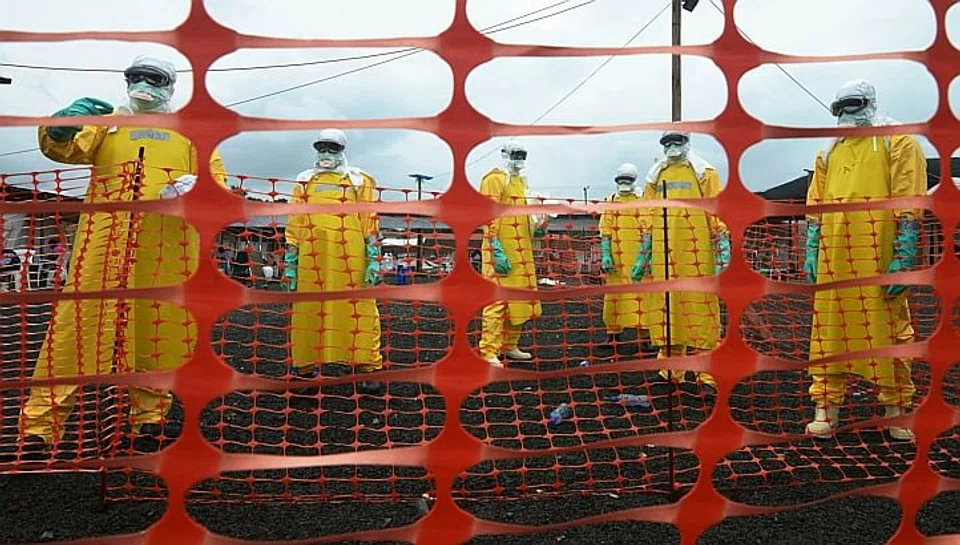
DeeperDive is a beta AI feature. Refer to full articles for the facts.
[GENEVA] The head of the World Health Organization conceded on Wednesday that the UN body was slow to respond to the outbreak of Ebola that has now killed more than 6,300 people in west Africa.
"It is fair to say the whole world, including WHO, failed to see what was unfolding, what was going to happen in front of our eyes," WHO director general Margaret Chan told the BBC in an interview.
"An old disease like Ebola, when we put it in a new context, we were slow. All of us were slow to see the impact of social, cultural and economic situations on the ground."
She added: "With the benefit of hindsight, I can tell you - we could have mounted a much, much more robust response."
The WHO has faced criticism over its initial response to Ebola, including for being overly bureaucratic and too politicised to react quickly to global health crises.
Ms Chan was speaking before she opened a high-level meeting in Geneva on how to improve the frail healthcare systems in Sierra Leone, Guinea and Liberia, the three countries worst affected by the outbreak.
Navigate Asia in
a new global order
Get the insights delivered to your inbox.
The failure to recognise and address the deadly virus in the early stages has been blamed as one of the reasons that it has spread so far and been so deadly.
The outbreak began with the death of a young boy in Guinea in December last year, but as it spread, the virus was misdiagnosed twice as cholera and later thought to be Lassa fever, Chan told the meeting.
By the time it was finally identified as Ebola on March 21 this year, "the virus was firmly entrenched".
"This is what can happen in the absence of a well-functioning health system," the WHO chief said.
The two-day talks, which gather finance and health ministers from the three countries and a wide range of donors and NGOs, aims to find "practical actions" to strengthen their dilapidated health systems.
Ms Chan stressed the urgency of the task, pointing out that the virus has pushed healthcare systems in Guinea, Liberia and Sierra Leone to the brink of collapse.
Before the epidemic, the three countries counted only between one and two doctors per 100,000 inhabitants, and "that number has been diminished as more than 600 healthcare staff have been infected", Ms Chan said.
Other health care services, including for malaria treatment, vaccinations and safe childbirth, have ground to a halt in many places.
Ms Chan urged delegates to come up with ways to boost the number of doctors and medical supplies as well as ensure the uninterrupted supply of electricity and running water.
Noting the widespread distrust for western medicine and foreign medical teams, she also urged broader respect for the traditional healers, who should be given "a clearly defined role in the formal health system".
AFP
Share with us your feedback on BT's products and services
TRENDING NOW
Autobahn Rent A Car directors declared bankrupt over S$50 million each owed to DBS
Higher costs, lower returns: Why are Singaporeans still betting on real estate?

Richard Eu on how core values, customers keep Singapore’s TCM chain Eu Yan Sang relevant
Loyang Valley sold for S$880 million to SingHaiyi-led consortium

