Weaker commodity prices set to tip Australia into trade deficit
The current account balance has already fallen back into the red
[SYDNEY] The boost to Australia’s trade from the mining boom looks to be fading as imports soar and export growth flatlines, potentially putting it on track for the first annual deficit since 2016.
The goods trade surplus so far this year slumped as imports of fuel and equipment for a data centre bonanza surged, while exports stagnate.
That looks set to continue, with the government forecasting that export revenue from major commodities in the current financial year will rise only 3 per cent from the prior period.
The once-in-a-generation mining investment boom led to massive increases in exports of iron ore, natural gas and other commodities, driving years of growth both in the economy and in people’s wealth. A return to deficits risks removing support for the Aussie dollar and could undermine the government’s spending plans.
“Having reaped the export payoffs from mining investment booms, projected declines in commodity prices are forecast to weigh on export earnings,” said James McIntyre, economist at Bloomberg Economics in Sydney, referring to government forecasts for prices to fall from mid-next year. “As a result, the trade and occasional current account surpluses recorded over the past decade are likely to make way for a return to the deficits of previous decades.”
The current account balance has already fallen back into the red, with the shrinking goods surplus combining with the already substantial services deficit. The effort to reduce the number of inbound migrants will likely exacerbate that deficit as it cuts the number of people entering Australia on student visas, thereby reducing the value of education exports.
Commodity decline
The trade data is likely to be volatile this year, with prices jumping around for both exports and imports such as liquid fuels due to the Iran war and ongoing supply constraints.
Australia is a large importer of oil and refined petroleum, with the cost of those hitting a record A$8.6 billion (US$6 billion) in May.
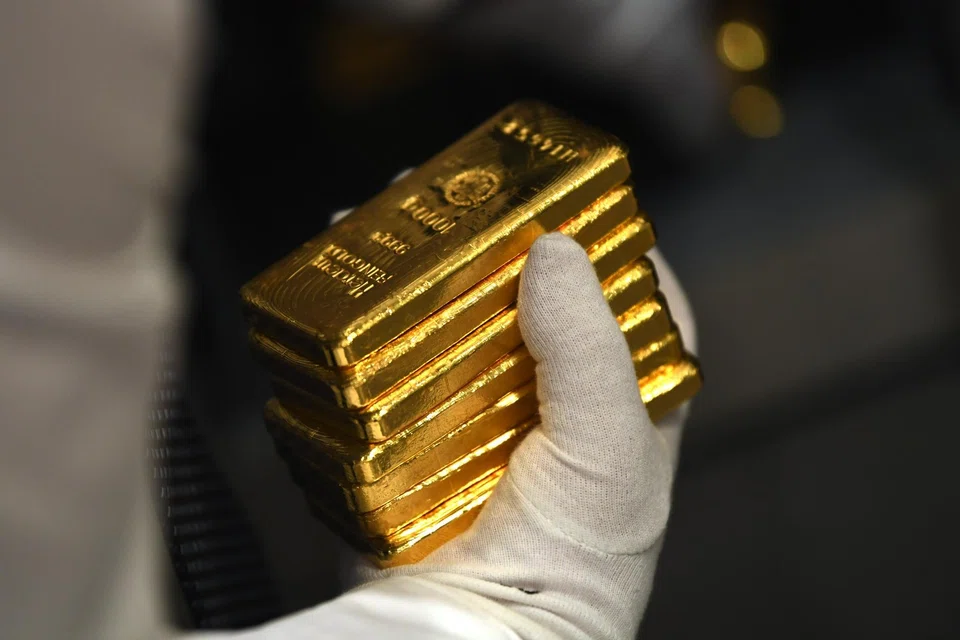
Gold has been the standout export for Australia over the past few years, soaring to become the second-largest earner on the back of rising prices.



However, the price of gold has fallen by over US$1,000 an ounce since it peaked in January, with the value and volume of gold exports both declining in May.
Meantime, the boom in data centre construction has driven a surge in imports of servers and other electronics.
“Most of the components needed for the fit out of data centres will not be produced domestically, and they will have to be imported. That’s probably the biggest story that will shape our trade in the near term and also into the medium term,” said Mantas Vanagas, senior economist at Westpac Banking.
Combined with the volatile commodities trade, Australia “will probably be in deficit especially in the second half of this year, and probably the full year number will probably be in deficit as well”, he said.
Still, the nation’s external position looks stronger on the investment side. In contrast with previous periods of deficit, the nation’s net international investment position has strengthened over the past few years, mostly thanks to the rapidly growing national pension system which invests a lot of money in overseas equities.
Investment flows and strong global demand for Australian debt are likely supporting the Aussie dollar, Lachlan Dynan, macro-strategist at Deutsche Bank in Sydney, said in a recent report, while the rise in imports due to data centres should support services exports in the future.
“While declines in current account balances can be cause for concern at times, that’s not the case when a meaningful portion reflects higher investment, and comes against the backdrop of a healthy outlook for potential output growth and AAA sovereign status, among other supportive factors,” he said. BLOOMBERG
Decoding Asia newsletter: your guide to navigating Asia in a new global order. Sign up here to get Decoding Asia newsletter. Delivered to your inbox. Free.
Share with us your feedback on BT's products and services