

Weather extremes becoming ‘new normal’, warns UK’s National Trust
 Add BT as a preferred source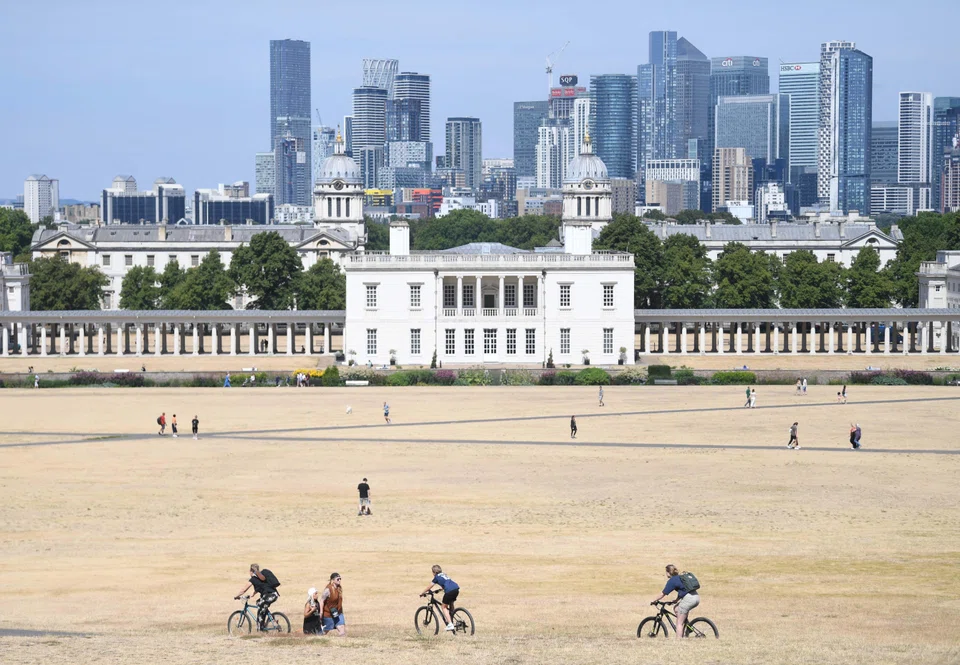
DeeperDive is a beta AI feature. Refer to full articles for the facts.
BRITAIN’S National Trust on Wednesday said nature and wildlife at the charity’s sites had been harmed by extreme weather in the past year and warned it could become the “new normal”.
The heritage conservation charity’s climate change adviser Keith Jones said it was a “stark illustration of the sort of difficulties many of our species will face if we don’t do more to mitigate rising temperatures”.
“We’re going to experience more floods, droughts, heatwaves, extreme storms and wildfires – and they will go from bad to worse, breaking records with ever alarming frequency if we don’t limit our carbon emissions,” he said. The planet currently remains off track from an ambition set by the Paris climate accord in 2015 to limit warming to 1.5 deg C above pre-industrial levels to avoid the worst effects of climate change. A cascade of extreme weather exacerbated by climate change devastated communities across the globe this year, including sweltering heat and drought across Europe that wilted crops, drove forest fires and saw major rivers shrink to a trickle.
Here is a rundown of the National Trust’s year:
January
A record warm start to the year with a temperature of 16.3 deg C recorded in central London on January 1. Overall, the month is around 0.8 deg C above the 1991-2020 long-term average. February
Navigate Asia in
a new global order
Get the insights delivered to your inbox.
Storms Eunice and Franklin bring down trees across the country. April
Spring bird migration is later and swifts return about two weeks later than normal and in lower numbers. May
There are no sightings of toadlets by May as hot weather and lack of rain causes ponds to dry up. June


Bird flu starts to hit many of the seabird colonies on the Farne Islands, off the north-eastern English coast, wiping out seabirds that come to the islands to breed including kittiwakes, shags, gulls and puffins.
At Strangford Lough in Northern Ireland, extreme weather in late June with gales, torrential and high tides causes multiple tern colonies to fail. July
A record-breaking heatwave, peaks at 40.3 deg C at Coningsby in central England with exceptionally dry conditions across the south and east and wildfires across large parts of the country.
Bats have to be rescued from the heat. Experts suspect the weather has hit the breeding success of many bird species. Wildfires break out in a number of places and pools and streams dry up. August
Newly planted trees fail at some National Trust sites due to prolonged drought and heat.
Many places experience a “false autumn” with trees dropping their leaves early due to drought. Butterfly numbers seem to be down and bumblebees, hoverflies and flies vanish in the heatwave. September
Swallows are still active at Mount Stewart in Northern Ireland a month later than in previous years, and do not migrate until the very end of the month.
Some wildflowers have a second flowering due to lack of frost. November
Winter farmland migrating birds arrive a month later on the Mount Stewart Estate likely due to milder temperatures in northern areas where they spend the summer and breed. December
After a largely very hot year with record temperatures, much of the UK is hit by a freezing cold snap.
This is followed by much milder conditions, prompting concerns it could bring creatures out of hibernation. AFP
Decoding Asia newsletter: your guide to navigating Asia in a new global order. Sign up here to get Decoding Asia newsletter. Delivered to your inbox. Free.
Share with us your feedback on BT's products and services
TRENDING NOW

From 1MDB to ‘corporate mafia’: Is Malaysia facing a new governance test?

Higher costs, lower returns: Why are Singaporeans still betting on real estate?

South-east Asian markets account for 8.8% of global capital inflows from 2021 to 2024: report

Richard Eu on how core values, customers keep Singapore’s TCM chain Eu Yan Sang relevant

