

WEF takes fresh look at emerging markets
New York
Ever since emerging markets became a major asset class in the early 1990s, a parade of potentates, policymakers and corporate chieftains have flocked to the stylish village of Davos in the Swiss Alps in the hope of becoming the latest global meme.
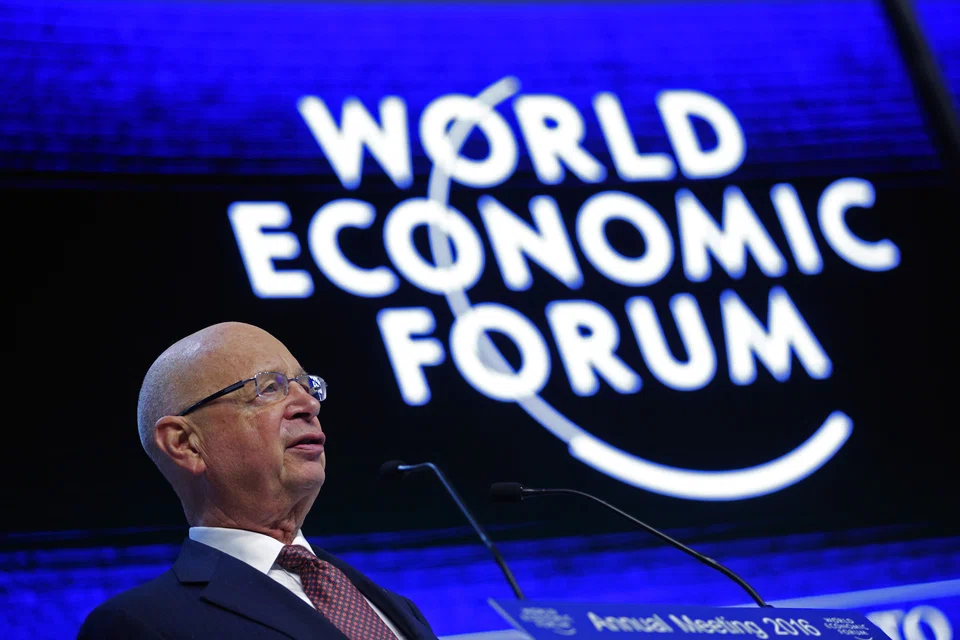
The growth revolution in China, the emergence of oil-driven sovereign wealth in the Middle East and Brazil's economic miracle have all been celebrated, one time or another, by the global elites who gather at the World Economic Forum (WEF) in Davos each January to ponder the world. This year the meeting started on Wednesday and will end on Saturday.
From 2000 on, the Davos boom and the emerging markets boom have been pretty much one and the same, a living ideal of globalisation helped by central banks that have printed trillions of dollars of new money. But now, as interest rates in the US begin to rise, these dollars have begun to flow out of China, the Middle East and Latin America. Growth rates are stumbling, debt levels rising and geopolitical fears spreading.
During the past year, the exodus has gathered pace, fed by worries that China will lose control of its currency, the price of oil will drop to US$20 a barrel and Brazil's problems will worsen. And many now say that this rosy, Davos-fuelled notion of a world powered by emerging-market growth and innovation needs to be reconsidered.
"I have long maintained that the emerging-market hype was oversold when it was clear that what was going on was high commodity prices and cheap money," said Dani Rodrik, a specialist on globalisation at the Harvard Kennedy School.
As for the WEF in Davos, he said that over the past 10 years it had become an echo chamber of sorts. "What we are seeing now is lower growth and policy conflicts between the emerging and the developed world," said Mr Rodrik, who will not be making the trip this time around. "It is going to be a different type of Davos this year."
Actually, the echo chamber has not been working as advertised. Since January 2010, emerging markets as an investment have produced a poor return. BlackRock's benchmark exchange traded fund for emerging market stocks is down 25 per cent, and most of that decline came in the last year.
Perhaps the biggest sign that global investors have lost faith is that for the first time since 1988 (when only the bravest souls invested in these countries), investors have pulled more money out of emerging markets than they have put in, according to research by the Institute of International Finance. NYT
TRENDING NOW

Nvidia reinstates Jensen Huang as CEO; Trump says move poses no national security risk

Beyond the greenback, Vietnam’s big borrowers turn to Asian-currency bonds

Indonesia’s coal tycoon Low Tuck Kwong replaced as Bayan Resources president-director

Six workers file employment claims against Crystal Jade Food Manufacturing

