

What congestion pricing’s arrival in NYC would mean
 Add BT as a preferred source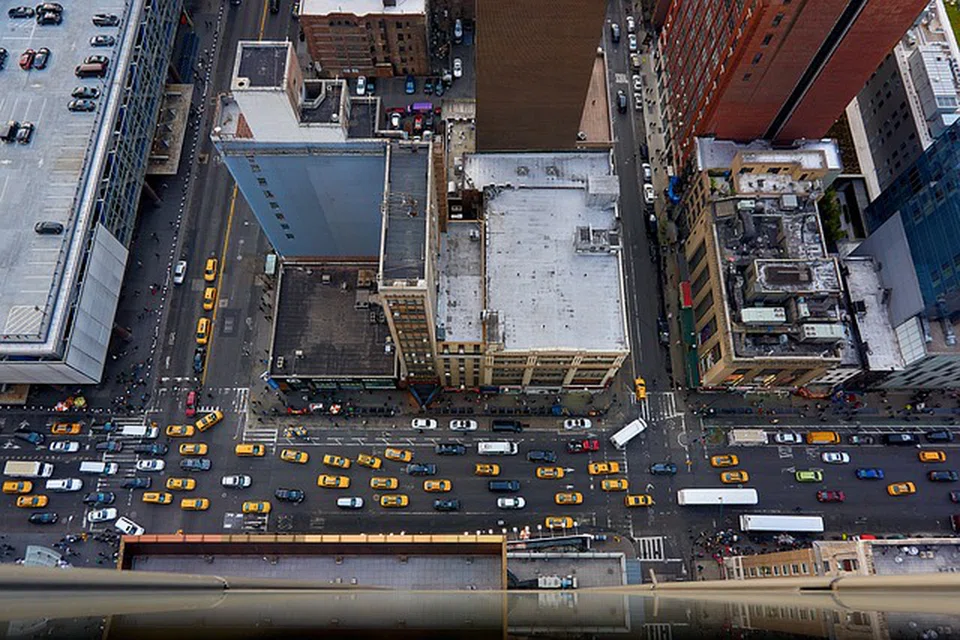
TRANSIT authorities plan to start charging motorists a fee to drive into New York City’s crowded midtown Manhattan as soon as next year.
The aim of the congestion pricing plan, the first in the US, is to reduce traffic and pollution while raising US$15 billion for the city’s subways, buses and commuter rails.
After years of wrangling among city and state lawmakers, the federal government in June granted its final approval, giving the Metropolitan Transportation Authority the green light to begin building the tolling structure. In July, New Jersey sued to stop the plan on behalf of its residents.
Metropolitan Transport Authority (MTA) officials anticipate congestion pricing will cut the number of daily vehicles entering the district by as much as 20 per cent. Critics of the plan say it penalises drivers who already pay high tolls to get into Manhattan.
1. What’s the idea behind congestion pricing?
Economists call it a demand-side solution: Jack up the price of something and demand will fall – producing, in this case, clearer streets and cleaner air.
Doing that while also trying to maximise revenue makes things a little tricky. Charge drivers too little, and you’ll make money but still have jams.
Charge too much, and you risk turning off too many drivers – great if you’re going for bike- and pedestrian-friendly, but not so hot if you really need the cash, too.
2. Where is congestion pricing already in place?
Singapore has charged since 1975, Stockholm made a trial run permanent in 2007, and Milan’s Area C began in 2012. Fees have been in effect in central London since 2003.
3. How will New York’s system work?
The fee would apply to anyone driving into Manhattan’s central business district, which is south of 60th Street and includes midtown office buildings, Times Square, the Theater District and the World Trade Center.
The MTA, which runs New York City’s transit network, the biggest in the US, will implement the toll program under the plan.
A six-member Traffic Mobility Review Board would determine the tolling structure and any discounts or exemptions.
4. How much would it cost?
The new toll to enter central Manhattan could be as much as US$23 during peak hours, with higher rates for vehicles without an E-ZPass transponder.
For context, a rush-hour commuter from Princeton, New Jersey, to central Manhattan already pays roughly US$30 to US$35 in tolls, round-trip, to use the New Jersey Turnpike and a Hudson River bridge or tunnel.
Passenger cars, taxis and for-hire vehicles like Uber and Lyft would be charged only once a day. Some motorists would get discounts.
For the first five years of the program, E-ZPass drivers earning less than US$50,000 a year would get a 25 per cent discount starting on their 11th trip within a calendar month.
Car-owning residents of the central business district earning less than US$60,000 would get a credit on their state taxes.
5. When would the plan take effect?
Construction on the tolling infrastructure is slated to begin as soon as this summer, potentially finishing within about a year, MTA officials have said. That means drivers could start paying the new charge as soon as April 2024.
6. How much money would this bring in?
Officials estimate the new toll would raise US$1 billion a year. The plan is for the MTA to borrow against that amount to generate $15 billion through bond sales.
That money would then pay for transit infrastructure, including extending the Second Avenue subway line to Harlem, modernising signals and making subway stations accessible by adding and updating escalators and elevators.
7. Why use the money for transit?
Congestion pricing is expected to turn some drivers into users of MTA’s system of subways, buses and commuter rails, which would increase usage. That would be a welcome boost.
The coronavirus pandemic decimated MTA’s ridership, and it’s struggled to match 2019 levels as remote work remains attractive for many employees. In 2026, system-wide ridership may still be only 80 per cent of pre-pandemic levels, the MTA estimates.
8. Who’s a fan? Who’s not?
Environmentalists, urban planners and transit advocates love congestion pricing.
But some politicians have pushed back against the plan. New Jersey Governor Phil Murphy wants to stop its implementation, saying the initiative’s current structure places a financial hardship on New Jersey commuters. On Jul 21, New Jersey filed a federal lawsuit to block the plan.
US Representatives Nicole Malliotakis, a Republican from the New York City borough of Staten Island, and Josh Gottheimer, a Democrat of New Jersey, say congestion pricing may increase pollution and traffic in their districts while adding another toll for their constituents. BLOOMBERG
Decoding Asia newsletter: your guide to navigating Asia in a new global order. Sign up here to get Decoding Asia newsletter. Delivered to your inbox. Free.
Share with us your feedback on BT's products and services
TRENDING NOW

Lily Ler to step down as CEO of Mapletree Industrial Trust manager
Jardine C&C selling Singapore, Malaysia dealerships to Indonesia’s Chandra Asri for US$221 million gain

AI infrastructure can lead South-east Asia’s next growth story: UOB
How BYD disrupted Singapore’s car market – and why the strategy is turning on itself

