What next for bankrupt Sri Lanka under a new leader?
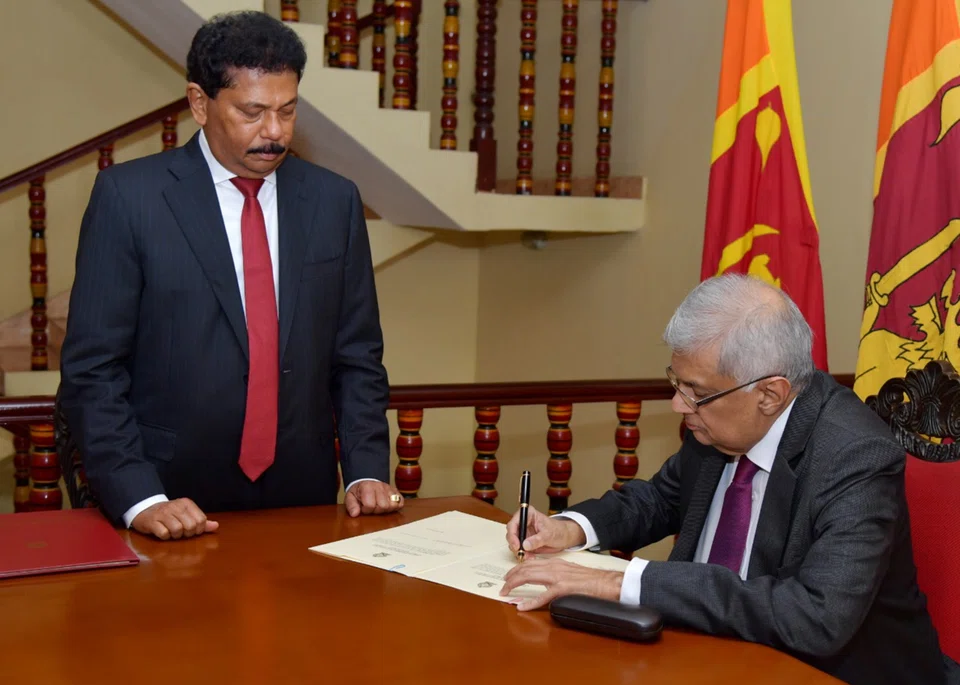
SRI Lanka’s Parliament elected 6-time prime minister Ranil Wickremesinghe as the crisis-wracked country’s new president on Wednesday (Jul 20).
He replaces Gotabaya Rajapaksa, who fled to Singapore and resigned last week after months of protests.
In his acceptance speech, Wickremesinghe on Wednesday urged all parties to sink their differences and join him in pulling the country out of its worst economic crisis since independence from Britain in 1948.
How bad are things in Sri Lanka?
The United Nations (UN) has warned that Sri Lanka is heading for a humanitarian catastrophe with months of shortages in food, fuel and medicines beginning to bite. More than 5 out of every 6 families are eating less food, said the World Food Programme, and schools and non-essential government institutions are closed for weeks to reduce commuting and save fuel.
Motorists queue for hours on the rare occasion petrol or diesel are available, and the country is enduring lengthy power cuts as the government has no money to import oil for generators. Even going by official figures, inflation has crossed 50 per cent.
The coronavirus pandemic devastated both tourism and overseas remittances, 2 of the country’s economic mainstays, with problems exacerbated by policy blunders.
More than half of the country’s crops failed after Gotabaya Rajapaksa banned agrochemical imports last year. The ban was lifted after 6 months, but fertiliser is yet to return.
Sri Lanka declared itself bankrupt in mid-April, when the government defaulted on its US$51 billion foreign debt.
What will Wickremesinghe do?
The pro-West Wickremesinghe has already begun talks with the International Monetary Fund (IMF) and is banking on bilateral aid from Japan, China and India to tide over the crisis, until a bailout is secured.
While an agreement with the IMF may be months away, Wickremesinghe has said he wants to unveil a new budget for 2022 in August, as allocations made last year were totally out of whack.
“The data in the budget for 2022 by the previous government is not credible,” he told Parliament this month.
The debt statistics may also have been understated, he added, calling for urgent financial reforms. He wants to sell off loss-making state enterprises such as the national carrier Sri Lankan Airlines — which lost nearly US$700 million in the first 4 months of this year alone and has accumulated debts of more than US$2 billion.
Despite their differences, Sri Lanka’s political parties are united in their support for ongoing talks with the IMF.
Wickremesinghe will appoint a new prime minister, who is expected to follow his free-market economic policies and carry out painful reforms. Some politicians have bitterly opposed harsh IMF prescriptions to cut subsidies and raise taxes, but the key political leaders agree that Sri Lanka should bite the bullet and deal with the international lender.
The political crisis interrupted the negotiations, and the IMF said last week that it hoped the unrest would be resolved soon so they can resume. But no political party in the current Parliament has a clear majority.
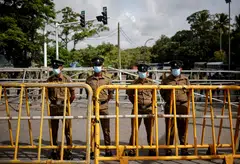
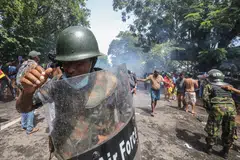
The mass protest movement that began in April and climaxed with Rajapaksa’s expulsion from his palace earlier this month could spell trouble for Wickremesinghe. The protesters also oppose Wickremesinghe, seeing him as a proxy of the disgraced Rajapaksa clan. He has declared a state of emergency and drawn a distinction between “protesters” and “rioters”, vowing to take a tough line against troublemakers.
For their part, the protesters have vowed to maintain their efforts to force Wickremesinghe from office, but most admit that they have run out of steam and public support is waning.
When university students at the forefront of the struggle called for a march in Colombo on Tuesday, fewer than 1,000 people turned up; the police estimated the numbers at only a few hundred.
A campaign to surround the national parliament and block Wednesday’s vote also fizzled out, as no one turned up.
“We supported the struggle, but after getting rid of the Rajapaksa family, there is no point in continuing it and causing disruptions,” a doctor at the national hospital said, asking not to be named. AFP
Decoding Asia newsletter: your guide to navigating Asia in a new global order. Sign up here to get Decoding Asia newsletter. Delivered to your inbox. Free.
Share with us your feedback on BT's products and services