Xi’s Central Asia outreach pays off with a fundraising blitz
Kazakhstan remains the largest recipient of Chinese FDI at US$11.4 billion
[HONG KONG] Weeks ago, a group of Kazakh bankers travelled to Hong Kong to lay the groundwork for a series of yuan-denominated bond deals that could take place later in the year.
The cohort met with Chinese investors and made presentations, according to sources familiar, who asked not to be identified, discussing private matters. The meetings in early 2026 have coincided with plans by Chinese bankers to launch bond offerings for entities in Kazakhstan and other Central Asian nations, the sources said, pointing to a broader shift.
The events underscore how years of diplomatic engagement, alongside a boom in trade, are intensifying capital flows between China and Central Asia. In a milestone for financial ties, Kazakhstan, the region’s biggest economy, is planning to sell its debut yuan panda bonds as early as next month and may seek to raise the equivalent of US$500 million.
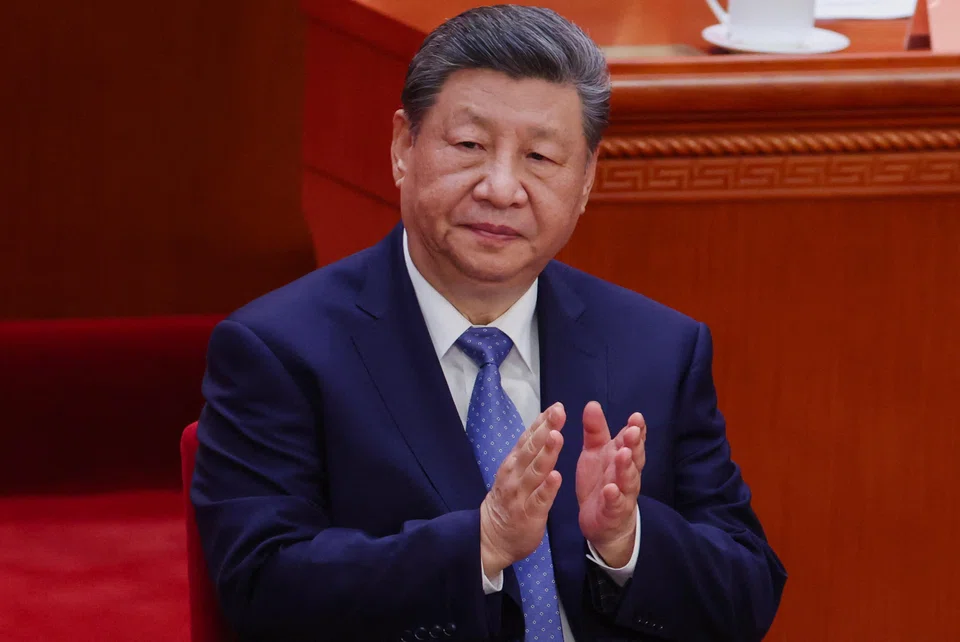
President Xi Jinping launched the sprawling Belt and Road infrastructure initiative in Kazakhstan more than a decade ago. But Beijing started to make deeper inroads into the region as sanctions sidelined Russia after its invasion of Ukraine in 2022 and as China sought out new markets during the trade spat started by US President Donald Trump.
China’s foreign direct investment (FDI) in the mineral- and energy-rich Central Asian region has surged over 10 years to nearly US$36 billion, according to a December 2025 report from the Eurasian Development Bank. Kazakhstan remains the largest recipient of Chinese FDI at US$11.4 billion.
As the US-Israeli war against Iran threatens to disrupt the supply of Middle Eastern oil to the broader Asian region, including China, the world’s biggest buyer, there’s increased focus on other exporters that ship the fuel. Albeit a small player, Kazakhstan is one among them.
A deepening financial relationship matters for both sides.
It dovetails with Xi’s longer-term push to internationalise the yuan and could help China tighten its grip on strategic resources such as uranium and rare earths, which it’s used to its advantage in its trade spat with the US. For Central Asia, yuan funding means access to an alternative and cheaper source of long-term growth capital at a time when global US dollar liquidity has turned more selective.
“The capital shortfall for infrastructure development in Central Asia is estimated to be in the hundreds of billions of US dollars,” said Abbos Bobokhonov, head of the Asia-Pacific Studies Centre at the Institute for Advanced International Studies in Uzbekistan. “Chinese investments are flexible and responsive to incoming requests, making them particularly appealing to Central Asian countries.”
‘Frequent issuers’
Kazakhstan’s Baiterek National Investment Holding, a key driver of its development agenda, is weighing a potential dim sum bond sale in yuan, a top executive said in February. Retail brokerage Freedom Holding is also considering a similar offering, billionaire chairman Timur Turlov said earlier in the year.
Dim sum and panda bonds are both denominated in Chinese yuan. The former is issued offshore to international investors, while the latter is launched within China by foreign entities, primarily targeting the domestic market.
“We expect the first renminbi deal from Central Asia in the first quarter,” said Alex Shupletsov, head of emerging markets coverage at TF International Securities Group, using the official name for the Chinese currency.
The latest deals in the pipeline follow the growing issuance of bonds and loans in the Chinese currency over the past year. State-owned oil producer KazMunayGas National raised 1.25 billion yuan, while private bank ForteBank secured a 750 million-yuan loan that included a note saying its use of proceeds included a “particular emphasis on fostering business flows with China”.
Shupletsov expects KazMunayGas and state-owned Development Bank of Kazakhstan to become “frequent issuers”.
Meanwhile, Chinese banks are steering Central Asian borrowers towards Hong Kong instead of London, their traditional venue. Issuing in Hong Kong deepens financial links with China and broadens access to mainland investors, while offering funding in both US dollars and offshore yuan.
China’s Citic Bank was among the entities that helped facilitate the issuance of Kyrgyzstan’s debut US dollar-denominated sovereign bond in the international capital markets last year. The deal, which was launched in Hong Kong and raised US$700 million, also marked a first for Central Asia.
‘More yuan’
Kazakhstan plans to raise as much as US$2 billion in renminbi debt in the next three years to fund growing trade and investment ties with China, the deputy prime minister in charge of the economy said in September. Less than 2 per cent of the nation’s external debt was in the Chinese yuan as per official data as at October. Two-thirds of it was in US dollars. Kazakhstan has investment-grade ratings from all three major agencies.
“Fossil fuels-rich Central Asia, being hungry for economic diversification since the 1990s but failing to achieve it, has been welcoming Chinese support with open arms,” said Roman Vakulchuk, co-founder of the Central Asian Development Institute and an economist at the Norwegian Institute of International Affairs.
The second China-Central Asia Summit held in June last year has proved significant in advancing the ties. Kazakh and Chinese firms signed deals worth over US$24 billion at the event.
As the ties have grown, governments in the region have tended to be silent about concerns over China’s treatment of persecuted groups comprised primarily of Muslims, mainly Uyghurs but also Kazakhs. None of the Central Asian nations joined a 2022 statement issued by 50 members of the United Nations about the human rights situation in China’s Xinjiang region.
Trade between China and Central Asia has also been booming, with flows topping US$100 billion in 2025, a record, according to official data. China has overtaken Russia as the region’s largest trading partner, as Moscow’s investments have been undermined by President Vladimir Putin’s prolonged war in Ukraine.
“As China continues to pursue more trade and lending as well as build more infrastructure in Central Asia, it’s inevitable that more yuan will be used in the region,” said Vakulchuk.
The relationship with Central Asia is also important for China from a geopolitical standpoint. With Trump’s policies deepening global fragmentation, Xi has tried to win over more allies, particularly in the Global South. The five Central Asian nations sit between Russia, China, South Asia and the Middle East, making the region a strategic corridor for infrastructure and trade.
“Central Asia is building the Middle Corridor within the Belt and Road, so infrastructure is a funding priority,” said Shupletsov of TF International. “Corporate revenues in offshore yuan have jumped significantly in recent years, especially for oil, gas and gold exporters. CFOs and Treasury teams have no choice but to rebalance their debt portfolios to match this shift.” BLOOMBERG
Decoding Asia newsletter: your guide to navigating Asia in a new global order. Sign up here to get Decoding Asia newsletter. Delivered to your inbox. Free.
Share with us your feedback on BT's products and services