

Yellen says IMF, World Bank are important counterweights to China
 Add BT as a preferred source
DeeperDive is a beta AI feature. Refer to full articles for the facts.
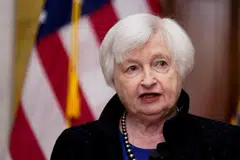
TREASURY Secretary Janet Yellen on Tuesday (Jun 13) will cast international financial institutions (IFIs) as American-aligned counterweights to China’s growing influence in the developing world, as she seeks to garner congressional support for US financial backing of those lenders.
In the face of what’s likely to be Republican scepticism when she testifies on Capitol Hill, Yellen will laud institutions like the International Monetary Fund (IMF) and the World Bank that “reflect American values”.
“Our leadership at these institutions is one of our core ways of engaging with emerging markets and developing countries,” she said in the text of testimony she’s scheduled to deliver at 10.00 am before the House Financial Services Committee. “The IFIs provide real resources to tackle the challenges the world faces – from weathering economic storms to spurring long-term economic development.”
The aid, she added, “serves as an important counterweight to nontransparent, unsustainable lending from others, like China”.
The Treasury chief’s remarks showcase the battle lines between the world’s two largest economies as they vie for influence in the developing world. China has become the largest official lender to many of the poorer nations across the globe.
Republican concerns
But her praise for the IFIs set up in the aftermath of World War II is likely to be countered by Republicans, who now control committees in the House. Some GOP members have criticised the World Bank and IMF for straying outside their mandates to spur economic growth in developing countries.
Navigate Asia in
a new global order
Get the insights delivered to your inbox.
Yellen has championed a plan to expand the World Bank’s scope. Beyond country-by-country projects, she wants all the multilateral development banks to back cross-border efforts that address broad threats like climate change and pandemics.
The Treasury chief could also draw questions about the Biden administration’s economic policies with respect to China. Yellen and other administration officials have outlined an approach that seeks to limit China’s access to sensitive technologies out of national security concerns, while also limiting US dependence on China for critical goods and materials.
Outbound investment
The House committee’s chair, North Carolina Republican Patrick McHenry, is expected to quiz Yellen on a planned executive order that would restrict certain US investments in China.
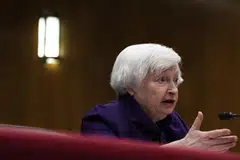
McHenry wrote a letter to Yellen in May questioning whether the order would be effective in preventing China from developing sensitive technologies. BLOOMBERG
Decoding Asia newsletter: your guide to navigating Asia in a new global order. Sign up here to get Decoding Asia newsletter. Delivered to your inbox. Free.
Share with us your feedback on BT's products and services
TRENDING NOW
Why where you park your joint venture matters: Lessons from a US$689 million shareholder dispute
Richard Eu on how core values, customers keep Singapore’s TCM chain Eu Yan Sang relevant
A new logic of China-Asean economic integration emerges from the Middle East conflict

From 1MDB to ‘corporate mafia’: Is Malaysia facing a new governance test?

