
Zero to neutral in 9 months marks a defining pivot for Fed, Powell
US central bank poised for swift policy shift as officials grow cautious
 Add BT as a preferred source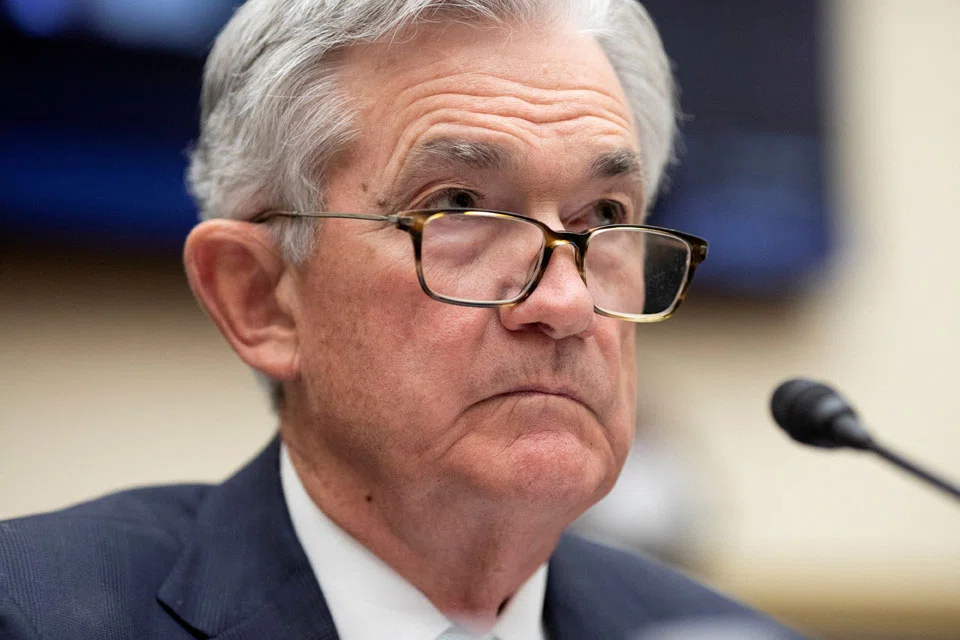
WITH even the most dovish US central bankers now calling for a key interest rate to hit its "neutral" level by year's end to tame high inflation, the Federal Reserve appears headed for perhaps its swiftest shift in monetary policy since the 1960s, with all the risks that ride along with such an abrupt change.
Since their March meeting, policymakers have grown uniformly more hawkish, led by Fed chair Jerome Powell's insistence on a do-whatever-it-takes approach to contain inflation. Now joining him are policymakers such as San Francisco Fed president Mary Daly and Chicago Fed president Charles Evans who had been among the most persistent in arguing inflation could ease with less action by the Fed.
"I see an expeditious march to neutral by the end of the year as a prudent path," Daly said on Wednesday, referring to the interest rate level that officials see as neither fanning nor restricting the economy. That remark placed her, like Evans, in support of raising the federal funds rate by half a percentage point at coming meetings rather than just a quarter point - a step that until recently was the province of more hard-core Fed inflation fighters.
If officials follow through, they will have moved the federal funds rate from near zero to neutral in 9 months after a first hike in March. Other tightening cycles have involved larger absolute increases in rates but came when estimates of neutral were higher, so policy remained "accommodative" for longer.
In the cycle starting in mid-2004, for example, it took about 2 years to reach what a New York Fed model estimates the neutral rate was then, around 5.25 per cent. It took a year, beginning in late 1993, to reach neutral during a cycle often cited as a possible parallel to this one by bringing inflation down without a recession.
Officials hope that some of the current inflation fades on its own, letting them bring it back towards their 2 per cent target without highly restrictive rates that would increase the risk of recession.
Navigate Asia in
a new global order
Get the insights delivered to your inbox.
Given the complexities of the moment, from the Ukraine war to the pandemic's continued impacts on global supply chains, achieving that is tough - with even the relatively quick rate hikes expected this year perhaps proving inadequate.
Consumer inflation exceeded 8 per cent in March, the fastest since the 1980s, near the end of the era when Paul Volcker as Fed chair used punishing interest rates and 2 recessions to break rounds of annual price increases that ran as high as 14.5 per cent.
Fed officials insist this is not such a "Volcker moment", however. They say that is in part because the current round of inflation appears somewhat event-driven - by the pandemic and now the war in Ukraine - rather than long-lasting and embedded as it was when Volcker took over; and in part because central banks are now taken seriously when they say they will not let chronic inflation occur.
But reasons to question that belief are growing amid debate over whether the pandemic has changed how inflation works for good, whether decades of low inflation was as durable as it seemed, and whether the dynamics of the 1970s could recur.
"It is essentially religion whether you decide to include the 1970s or not in your inflation expectation models," said Adam Posen, president of the Peterson Institute for International Economics. "If you say . . . we have had 40 years of low inflation and therefore long-term inflation expectations are anchored, that gets you a more benign scenario" than if you think tight labour markets, the reversal of globalisation or other factors indicate "we are slipping a bit in regime".
Recent research and data have not been reassuring. One Fed staffer noted in a recent paper that the case for concluding that inflation psychology was truly "anchored" may be weaker than thought. An analysis by New York Fed economists this week concluded that "sometime in the autumn of 2021" inflation shifted from being driven by "transitory shocks and outliers" to a "common persistent component" spread across the economy.
That is about when Powell started getting worried and the Fed began pivoting to a tougher policy.
Much hinges on whether getting to neutral is enough, and if not how much more the Fed must do.
Even as key market interest rates spike - the rate on a 30-year home mortgage is above 5 per cent - home prices keep hitting record highs; consumer demand remains strong; and with job vacancies far outstripping the ranks of the unemployed, wage increases are expected to continue for now.
Minutes of the Fed's March meeting showed developing concern that the Fed may be losing what officials regard as the crucial fight to keep public inflation expectations at bay - the very struggle Volcker is credited with winning in the 1980s.
Long-term inflation expectations are considered key to how wages and prices are set, and at that meeting "a few participants judged that, at the current juncture, a significant risk . . . was that elevated inflation and inflation expectations could become entrenched". Futures contracts tied to the Fed's benchmark rate see it reaching nearly 3 per cent this year, a big step beyond neutral and into"restrictive" territory.
Economists including former Treasury official and Peterson fellow Karen Dynan see it topping out at 4 per cent in 2023, a level not seen in 15 years. REUTERS
Decoding Asia newsletter: your guide to navigating Asia in a new global order. Sign up here to get Decoding Asia newsletter. Delivered to your inbox. Free.
Share with us your feedback on BT's products and services

