

ESG is having its moment, and so are its female champions



Singapore
AS sustainability-centred priorities grow in prominence on regulators' and investors' agendas, women, too, are increasingly muscling into the traditionally male-dominated fields like finance and real estate.
While there is little hard data on the matter, women have been headlining initiatives focusing on environmental, social and governance (ESG) standards globally, and here in Asia.
Property giant City Developments' (CDL) Women4Green network has over the last three years been tapping the expertise of female leaders to nudge other women to venture into sectors such as green building, technology, energy and financing.
Meanwhile, in January this year, Singapore-based Impact Investment Exchange closed its S$12 million Women's Livelihood Bond aimed at creating sustainable livelihoods for over 250,000 underserved women in the Asia-Pacific.
Some female sustainability advocates tell The Business Times that many among them are rising into these ranks in part because women, broadly speaking, tend to take a longer-term view when it comes to investments, and pay greater attention to groups and systems over individual interests or single assets.
To add, improving the gender balance in decision-making roles is befitting of the ESG agenda - particularly the "social" component - in itself.
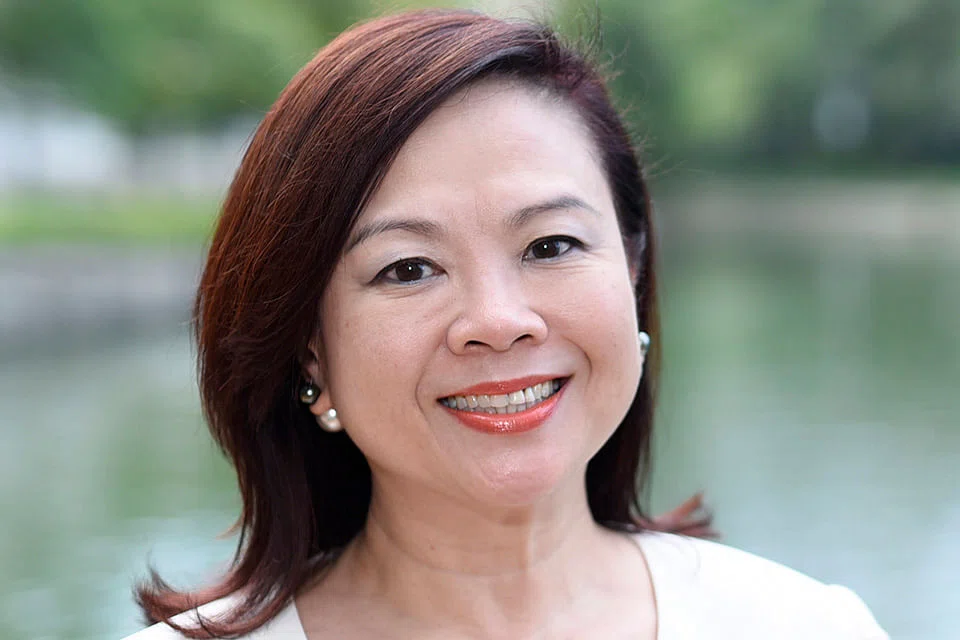
CDL's chief sustainability officer Esther An said women tend to look beyond a "hardcore" numbers-driven approach towards business.
"Women tend to be maybe a bit more sensitive about the environment, and somehow have a unique ability to better understand and anticipate changing needs."
Under Ms An's charge, CDL is among the pioneering batch of 87 companies to pledge support for the United Nation's campaign for companies worldwide to limit global temperature rise to 1.5 degrees Celsius.
She also helped design a S$250 million loan, issued by DBS last September, that will help finance CDL's efforts to trial fresh, sustainable solutions to improve the way it builds properties.
Ms An rattled off a list of female sustainability figures who have served as inspiration to her, from the "small but powerful" Christiana Figueres, a key architect of the Paris climate agreement; to Anna Oposa, a marine conservationist who is nicknamed "chief mermaid" of the Philippine seas for her non-government organisation work.
Ms An said: "Half of the world's population is women. The world is changing and the levels of education have been increasing, especially in the emerging markets. So we are going to see more young, female leaders rising to the occasion."
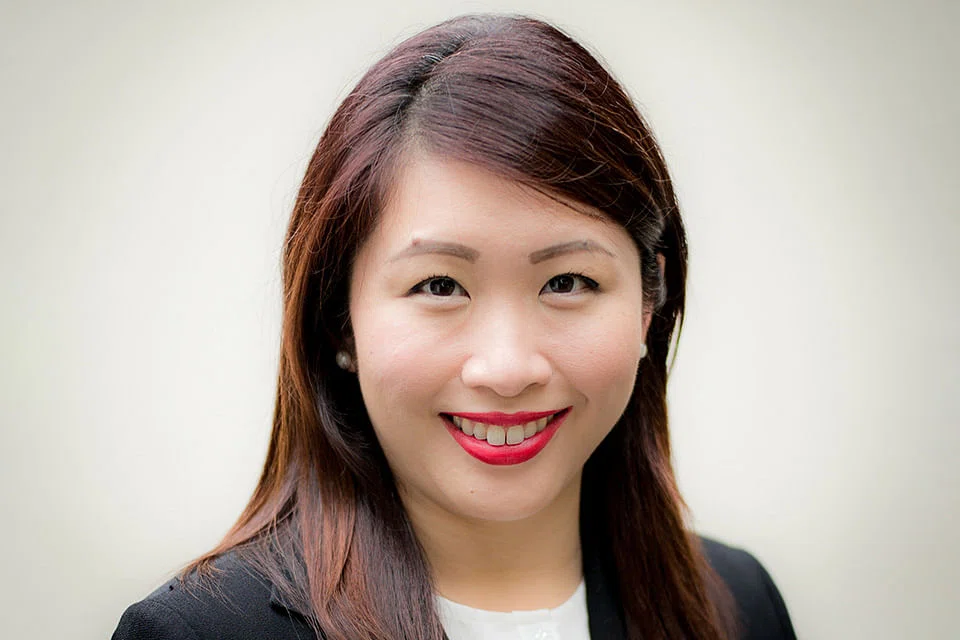
Gillian Tan, assistant managing director of the Monetary Authority of Singapore's (MAS) Development and International Group, said the increasing prominence of sustainability conversations has amplified women's voices in this fora.
"As these (conversations) have come to the fore, the women who have traditionally championed these issues have also been brought to the limelight. Related to this, we now see ESG teams in financial institutions and corporates being considered as essential roles - a stark, and very welcome, shift in firms' priorities and mindsets from a decade ago where ESG may have been considered a 'good to have'," Ms Tan said.
This is also aligned with the increasing focus on women's empowerment, she added.
"Globally, we see more companies championing gender equality, as companies look to contribute to positive outcomes aligned with the UN's Sustainable Development Goals."
Ms Tan noted that green finance in the Asia-Pacific has grown significantly over the past few years, with cumulative green bond issuances of more than US$180 billion in 2019, a 29 per cent increase from the previous year.
The region's lenders today account for close to 40 per cent of all green bonds issued by banks since 2015, outpacing European lenders, she said.
Last November, the MAS announced a US$2 billion green investments programme to drive growth in sustainable finance.
Under the scheme, the Singapore central bank will channel funds to asset managers who are committed to deepening green finance activities in Singapore.
These managers will in turn invest in public market firms with a strong green focus.
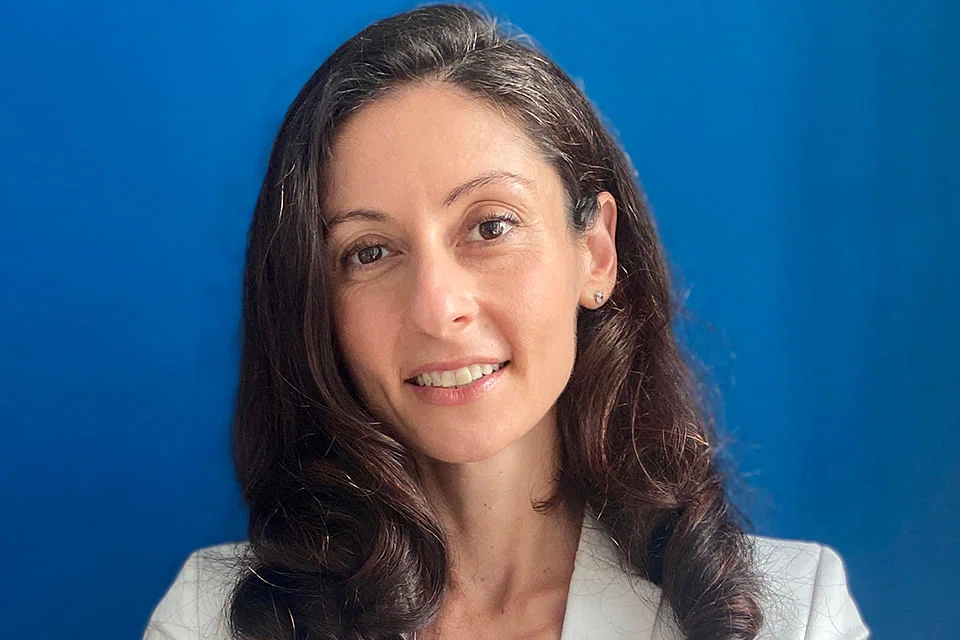
Lauren Sorkin, executive director of the Global Resilient Cities Network based in Singapore, said women contribute to "diversity of thought", leading to better decisions.
"Institutions that tend to attract and select women in top positions may be better-managed," she said.
Ms Sorkin leads a team of officers across multiple cities in enhancing the resilience of their communities and critical infrastructure. She previously worked with the Asian Development Bank to develop its first climate change investment plan.
This is an important time for gender equality to drive the sustainability agenda, Ms Sorkin added, noting that women have traditionally been confronted with a "tremendous accessibility gap".
"We need more policies that create fair conditions for women in the financial and sustainable sectors," she said.
Emily Tan, general manager of Shell City Solutions, added that the advent of social media and a "unifying collective voice" on issues like sustainability have helped amplify female voices in this realm.
Ms Tan leads a global team that collaborates with stakeholders on viable business models to help cities switch to cleaner-energy options.
Corporate leaders play a key role in giving women more opportunities to thrive, especially in areas where they are under-represented. Shell, for example, has increased female representation on its board from a quarter to 46 per cent over the last six years, Ms Tan said.
"Interestingly, my line manager is female, and so is her line manager. When we have female role models to look up to, it helps to foster confidence and encourages more women to lean in for leadership roles," she said.
Some, like Durreen Shahnaz, founder and chief executive officer of Impact Investment Exchange (IIX), still feel that more can be done to give underserved women a voice in the market.
"What grounds all of our work at IIX is making sure we listen and account for the voices of underserved women who represent the 99 per cent. Are they being positively impacted by businesses? Are their lives being changed in the way that the businesses say it is being changed? And if so, how much," she said.
IIX launched the Women's Livelihood Bond Series, a series of debt securities, listed in Singapore, that unlocks private sector capital for women-centred businesses. The second bond in the series launched early this year.
Proceeds from the US$12 million bond went to six borrowers in Indonesia, Cambodia and Sri Lanka, who in turn have provided microloans, products or services that will impact nearly 250,000 women.
The Covid-19 pandemic has sharpened pre-existing gender and racial inequalities around the world, said Ms Shahnaz.
"The opportunity still exists for investors to step up and invest in building resilient communities that will generate social and financial returns and drive gender equal green growth that will benefit millions of women across Asia," she said.
All that said, sustainability is not just a women's issue. With the pandemic widely expected to accelerate the ESG agenda, these female advocates tell BT there is no better time than now to encourage system-wide participation and collective ownership of sustainability goals.
"Sustainability is not a women's issue, or even an issue to be driven by women. For real progress to be made, we need to take collective ownership of sustainability goals," said MAS's Ms Tan.
TRENDING NOW

Knight Frank’s Tan Tee Khoon leaves firm, Nicholas Keong takes over auction business
Keppel Energy, Sembcorp Utilities and Tuas Power to supply biomethane in pilot project

GovTech retrenches another 38 staff in second round of layoffs
Take-up of new private homes dives 45% in Q3 as prices accelerate with 1.4% rise

