China's e-sports powerhouse status undermined by tough new gaming rules
Companies told to further limit under-18s to 3 hours of online games per week in bid to curb addiction
Shanghai
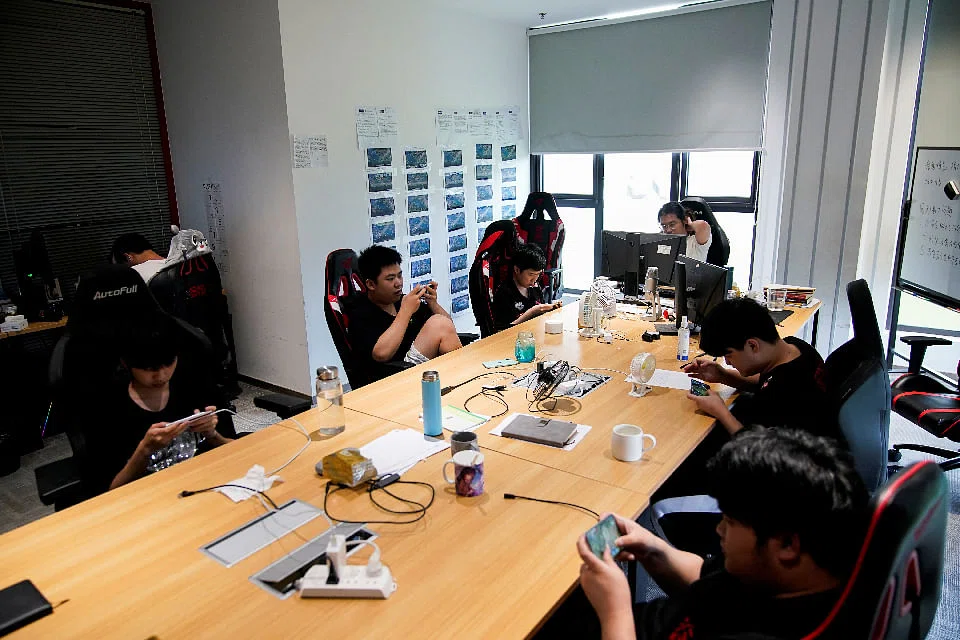
IN glass-panelled conference rooms, members of the Shanghai-based e-sports team Rogue Warriors tap away at their phones as they train from 11am till late, occasionally breaking for food.
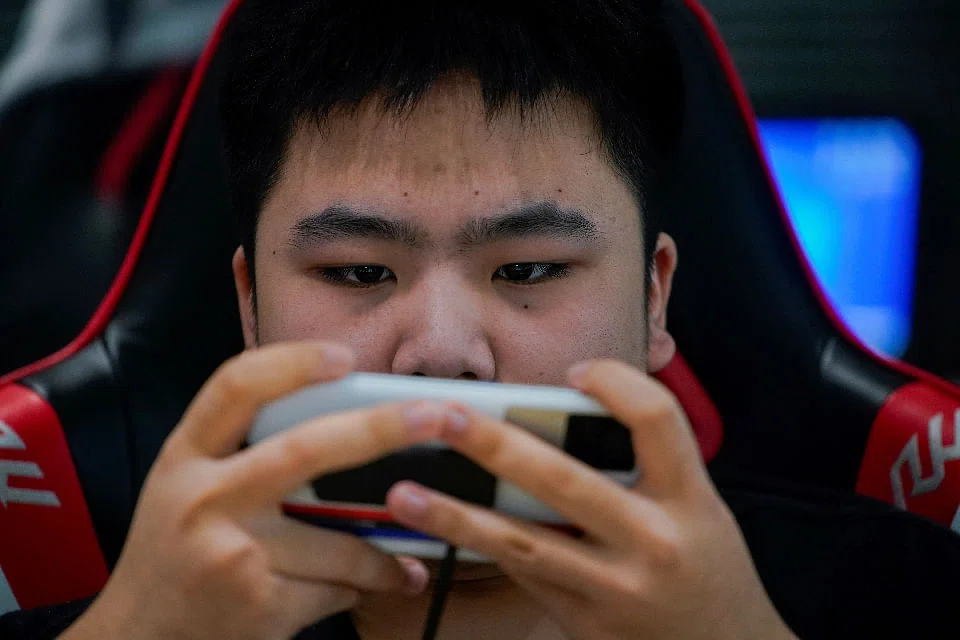
"I spend 15 of 24 hours a day playing video games," says 19-year-old Zhang Kaifeng who plays Tencent Holdings' online battle arena game Arena of Valor professionally, adding that the long hours are necessary to remain competitive.
China is the world's biggest e-sports market with an estimated 5,000-plus teams, but the government's tough new rules aimed at curbing gaming addiction are set to make careers like Mr Zhang's hard to emulate.
Provoking an outcry from many Chinese teens, the changes task gaming companies with limiting online games for under-18s to just three hours a week.
Even before the changes, minors were restricted to 1.5 hours on weekdays and three hours on weekends.
Top e-sports players are typically discovered in their teens and retire in their mid-20s, and experts compare the intensity of their training to that of Olympic gymnasts and divers. One of the world's most well-known players of Riot Games' League of Legends, Wu Hanwei, also known as Xiye, began playing at 14 and joined a club at 16.
"The new regulations almost kill young people's chances of becoming professional e-sports players," said Chen Jiang, associate professor at Peking University's School of Electronics Engineering and Computer Science.
In doing so, the rules also undermine the big business of e-sports in China, where tournaments are often played in
billion-dollar stadiums and livestreamed to many more. Chinese e-sports fans are estimated to number more than 400 million, said the state-run People's Daily, while the domestic e-sports market was worth some 147 billion yuan (S$30.6 billion) last year, said Chinese consultancy iResearch.
Rogue Warriors, a club of 90 gamers who train in a three-floor building that includes dorms and a canteen, declined to comment on the expected impact of the new rules.
An executive at another major Chinese club said the new rules will mean many talented people will miss out on being discovered.
"The real top players are usually gifted and don't necessarily play long hours before joining the club. Others can be very good eventually, but they need a lot of practice to get there," said the executive, who declined to be named citing the sensitivity of the issue.
The new rules are not laws per se that punish individuals but place the onus on gaming companies which will be compelled to require log-ins with real names and national ID numbers.
Experts note that determined Chinese teenagers can still circumvent the rules if they have their parents' support and are able to use adult log-ins.
Chinese authorities have not addressed the impact of the new rules on the e-sports industry, but Mr Chen at Peking University said they have the leeway to grant some young e-sports players exemptions.
"The country can still introduce corresponding policies," he said. REUTERS
Decoding Asia newsletter: your guide to navigating Asia in a new global order. Sign up here to get Decoding Asia newsletter. Delivered to your inbox. Free.
Share with us your feedback on BT's products and services