

How 'busyness' became a bona fide status symbol
It's self-deprecating, yet showy, but as with all status symbols, once it goes mainstream, it is compromised
 Add BT as a preferred source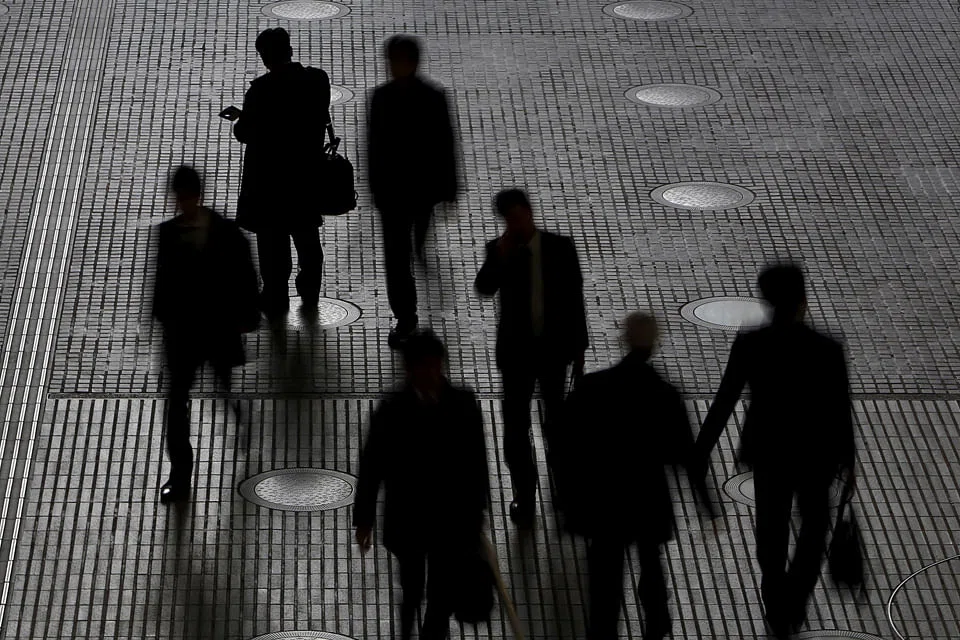
DeeperDive is a beta AI feature. Refer to full articles for the facts.
It's the most hyper-busy time of the year. Holiday shopping, hosting and travel preparations. Year-end financial moves. A mountain of work to finish before using up any final vacation days. For once, the all too common "I'm just so busy" gripe feels like a legitimate complaint.
But most of the year, it has taken on the feel of an overused humblebrag, a self-deprecating yet showy effort to tout one's own importance, value and desirability at work or among friends. In our information-drenched, 24/7 work workplaces, where time for leisure has become an even scarcer commodity for many professionals than money to buy luxury goods, being "so busy" seems to be a badge of honor, a status symbol in our always-on world.
Now researchers from Columbia, Georgetown and Harvard universities say that's exactly what it is, with "busyness" replacing conspicuous consumption as a public marker for our worth. In a recent Harvard Business Review article, based on a forthcoming paper in the Journal of Consumer Research, the trio argue that "busyness" is an actual way people signal their importance - and that marketers are responding to it.
Copyright SPH Media. All rights reserved.
TRENDING NOW

‘Boring’ is the new black: The stars are aligning for a Singapore stock market revival

Near sell-out launches in March boost developer sales to 1,300 units after four slow months

China pips the US if Asean is forced to choose, but analysts warn against reading it like a sports result

Genting Singapore’s Lim Kok Thay receives S$7.5 million pay package for FY2025

