Singapore artists grapple with virus fallout
Museum attendance plunges, the arts festival has been cancelled, and thousands of artists are losing their gigs - and income.

Helmi Yusof
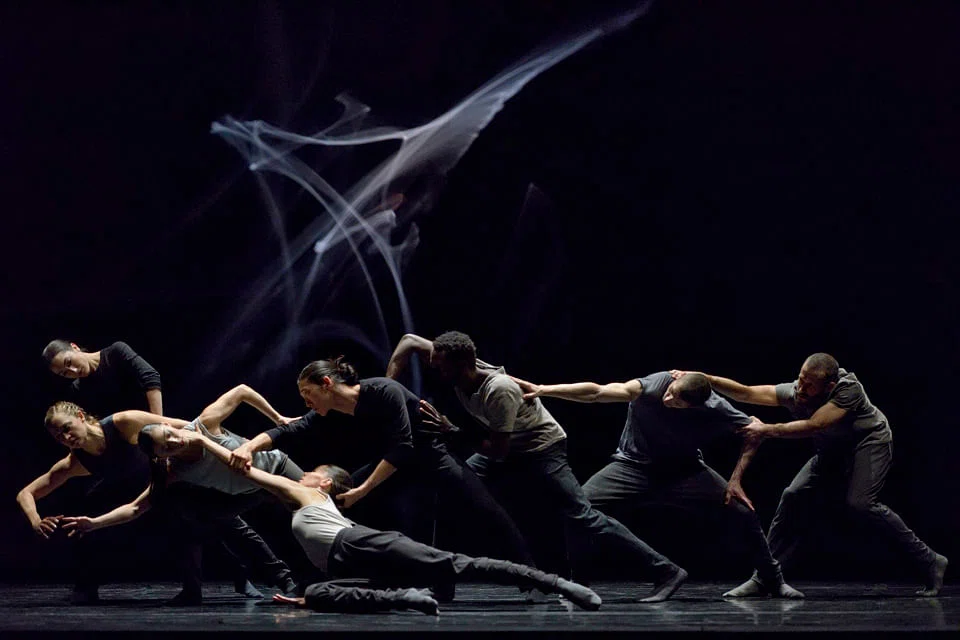
THE Covid-19 fallout continues to ravage the Singapore arts industry in unprecedented ways. Its latest casualty is the Singapore International Festival of Arts (SIFA), which has been called off by its commissioner National Arts Council (NAC) and organiser Arts House Limited.
Originally scheduled for mid-May, the festival has been affected by border and travel restrictions imposed by various governments, making it impossible for international arts groups to fly to Singapore.
The works of Singapore-based arts groups, however, may still be staged at a later date or take the form of webcasts and digital conversations instead.
Earlier this month, the renowned Paris-based chamber music group Ensemble Intercontemporain announced its withdrawal from SIFA because of Covid-19 fears. And though the festival organisers assured the public that SIFA would carry on, the escalating health crisis has triggered the about-turn.
Low Eng Teong, Deputy Chief Executive (Sector Development), National Arts Council, said: "The decision is made in the interest of the arts community and all our patrons, and as part of nation-wide efforts to prevent further transmission and spread of the virus."
Meanwhile, attendances at Singapore's premier arts and culture institutions have plummeted. Visitor numbers at the country's biggest art museum, National Gallery Singapore, have fallen by as much as 40 per cent.
Even though the Gallery prioritises visitor safety by providing temperature screening, hand sanitisers and frequent cleaning, art lovers have been reluctant to leave their homes to take advantage of the Gallery's offer of free admission in the month of March.
For its upcoming opening night of Latiff Mohidin's solo exhibition, the venue is hosting fewer than 200 guests, and ensuring that there is no more than one person for every 3 sq m of space at any time.
A museum spokesman said: "We will space out visitors and participants wherever possible by using floor markers or barricades to guide visitors to maintain a distance of 1 metre from one another. We will also implement chequerboard seating in our venues such as the Auditorium, Theatrette and Padang Atrium steps."
Meanwhile, Singapore's top performing arts centre, the Esplanade, has had wave after wave of shows by international artists cancelled. The axed performances in March alone included four Chinese operas by Shanghai Kunqu Opera, a theatre performance by avant garde toy pianist Margaret Leng Tan, and a solo concert by Broadway star Lea Salonga (which had already been postponed once before because Salonga had a leg injury).
The highly-anticipated West End stage spectacle War Horse scheduled for April has also been called off - bringing to halt seven years of planning and collaboration between Singapore Repertory Theatre, London's National Theatre and the Esplanade.
SRT's managing director Charlotte Nors said: "We will need to evaluate the feasibility of how best to proceed (with our other upcoming projects). The arts are dependent on ticket sales and sponsorship to survive. Without staging shows, every arts company and freelance practitioner is going to struggle."
Most performances by Singapore-based art groups will still go on at the Esplanade, though social distancing measures means unusual seating arrangements, with audience members placed a metre apart from each other. For the Indian dance show Raga last weekend, the Esplanade even held an additional performance for existing ticket holders, so as to space out members of the audience.
Meanwhile, travelling showcases have become nigh impossible. The Singapore Dance Theatre aborted its annual Ballet Illuminations that was supposed to be held in Kuala Lumpur and Penang; it also dropped plans to travel to Salt Lake City, Utah, for the Ballet West Choreographic Festival.
The waves of cancellations have resulted in a permanent or temporary loss of income for thousands of artistic, creative and technical workers involved in the shows. For freelancers living pay cheque to pay cheque, the impact has been nothing short of devastating.
On social media, members of the Singapore arts community have been posting a common message that says: "If you have tickets to a live performance or screening which has been cancelled due to Covid-19, please consider donating (the cost of) your ticket rather than requesting a refund. This is the kind of thing that can kill the arts. The livelihood of countless performing arts professionals are at stake."
At least one group of artists has been passing a hat around to help the hardest-hit among them to pay bills and put food on the table.
Another group of creatives has also just set up a new website called ilostmygig.sg for creative professionals to tally the losses from cancelled jobs in Singapore due to Covid-19.
Meanwhile, the NAC has arranged a series of 40-minute face-to-face meetings and online chats with Tay Tong, NAC's Director of Sector Development (Visual Arts). The longtime arts administrator will offer a listening ear to affected artists and give personalised suggestions and advice on how to navigate their careers through the current situation.
This month, the government announced it is setting aside about S$1.6 million for the arts and culture sector as a way of supporting the community amid the pandemic. The money includes a subsidy of 30 per cent for venue rental and associated costs for arts and culture activities from March 7 to June 30.
Another portion involves a one-time capability-development grant for individuals and arts organisations to upskill themselves and strengthen their organisational capabilities respectively during this crisis.
Decoding Asia newsletter: your guide to navigating Asia in a new global order. Sign up here to get Decoding Asia newsletter. Delivered to your inbox. Free.
Copyright SPH Media. All rights reserved.