

Singapore loses pioneer architect

Singapore
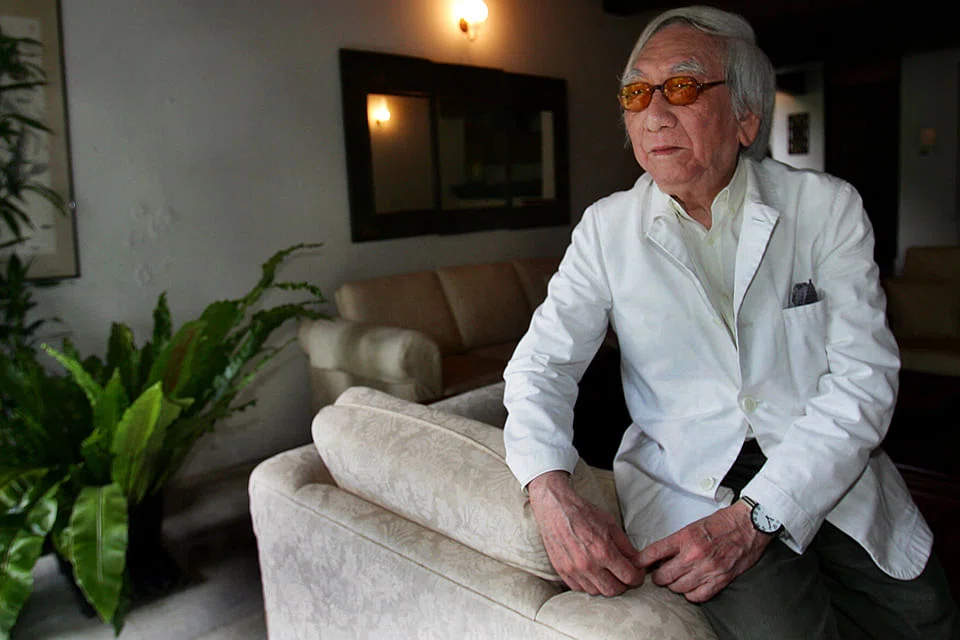
VICTOR Chew, one of Singapore's finest pioneer architects, died from old age on July 28. He was 93.
Not many Singaporeans may have heard of him, but Mr Chew helped shape the way Singaporeans live, work and play.
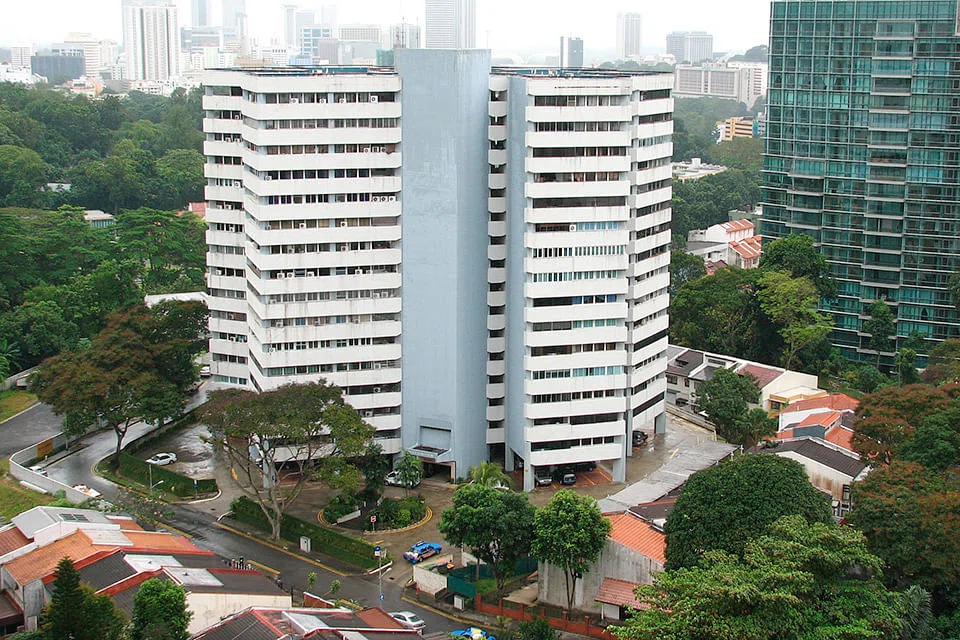
One of his firm Kumpulan Akitek's best known projects was Hilltops Apartments at Cairnhill Circle, which was completed in 1965. It has since been demolished and there now stands another condominium of the same name.
Hilltops Apartments was of architectural significance, as "it was the first luxury high-rise residential development where each unit was more costly and bigger than a terrace house", says veteran architect Wee Chwee Heng, who together with Mr Chew and another partner founded Kumpulan Akitek in 1964.
The 16-storey Hilltops Apartments had 106 units spread across seven wings that radiated from a central core. The units offered views of Singapore during its post-independence years and none looked into each other. They were all designed for tropical living with plenty of natural ventilation.
"My father cared a lot about designing for the site and context," says daughter Chew I-Jin, who is also an architect.
Mr Wee fondly remembers his partner as someone who "had a strong personality, integrity and a sharp tongue".
He adds: "I had the privilege of being able to click with him and saw him as a mentor. Even after his retirement, he was still interested in what we were doing."
Mr Chew studied architecture in Cambridge, and upon his return to Singapore, he joined Swan and Maclaren.
When Kumpulan Akitek was founded, Mr Chew wanted it to be a group practice "so that no one architect could claim the work as his own. That is how the partnership lasted so long", adds Mr Wee.
"Victor was an understated gentleman, he preferred to keep a low profile and hence not many people knew about our work," says Mr Wee.
Another of the firm's project Ming Court Hotel, completed in 1970, was also of special significance. The land which the hotel was on was divided into two plots - one zoned for residential and the other for commercial.
Mr Wee recalls a long battle with the authorities to allow the two plots of land to be merged, so as to build the hotel. In the process, the firm also encouraged the authorities to cover the Stamford Canal that runs across the site. "The minister who came to the hotel opening was impressed and this prompted the authorities to later cover the entire canal that runs down Orchard Road," says Mr Wee. Ming Court Hotel was later renamed Orchard Parade Hotel, and is now Orchard Rendezvous Hotel.
Besides serving as vice-president for the Singapore Institute of Architects from 1967 to 1968, Mr Chew was also a board member on the Housing & Development Board from 1969 to 1979. Mr Wee remembers that it was his mentor who suggested the creation of void decks in housing blocks, so that the residents could have a space for play and to hold events.
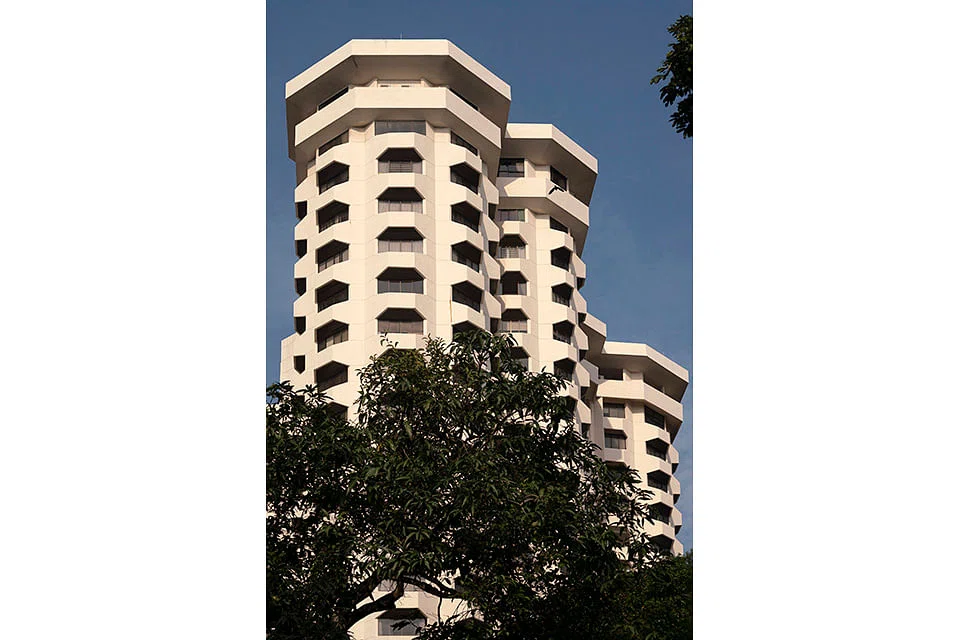
Besides Hilltops Apartments, the firm also designed other condominiums such as Cairnhill Mansions, High Point Apartments and Townhouse Apartments. Cairnhill Mansions was sold en bloc in 2018 and has since been demolished.
Mr Chew wasn't one to mince his words when asked what he thought of the en bloc trend. In a 2007 article in The Straits Times, he had said: "When it hurts the most, it's not because of the beauty of the building. That part is just vanity. It hurts when the building was significant, when it led the way to other buildings in Singapore."
He also lamented how only buildings built before 1965 were gazetted for conservation.
While not all the condominiums that the firm had designed could be saved, Mr Chew's legacy lives on in the former Subordinate Courts, which was gazetted for conservation in 2013. The building has an angular shape and step-like architecture that makes it look like a modern day pyramid. It is also one of the early buildings in Singapore to have a central atrium.
Decoding Asia newsletter: your guide to navigating Asia in a new global order. Sign up here to get Decoding Asia newsletter. Delivered to your inbox. Free.
Copyright SPH Media. All rights reserved.
TRENDING NOW

If Europe goes to war, the fallout will be felt in East Asia

Shanmugam says firms linked to haze probe pledge cooperation; government to table changes to haze law

Indonesia stocks suffer worst plunge in nearly 30 years as MSCI proposes standalone status

Keppel seeks US$1 billion for Vietnam investments as it joins country’s international financial centre

