

Some stress may not harm your mental well-being
Indeed, during times of adversity and challenge, resilience and adaptability are qualities that can be cultivated

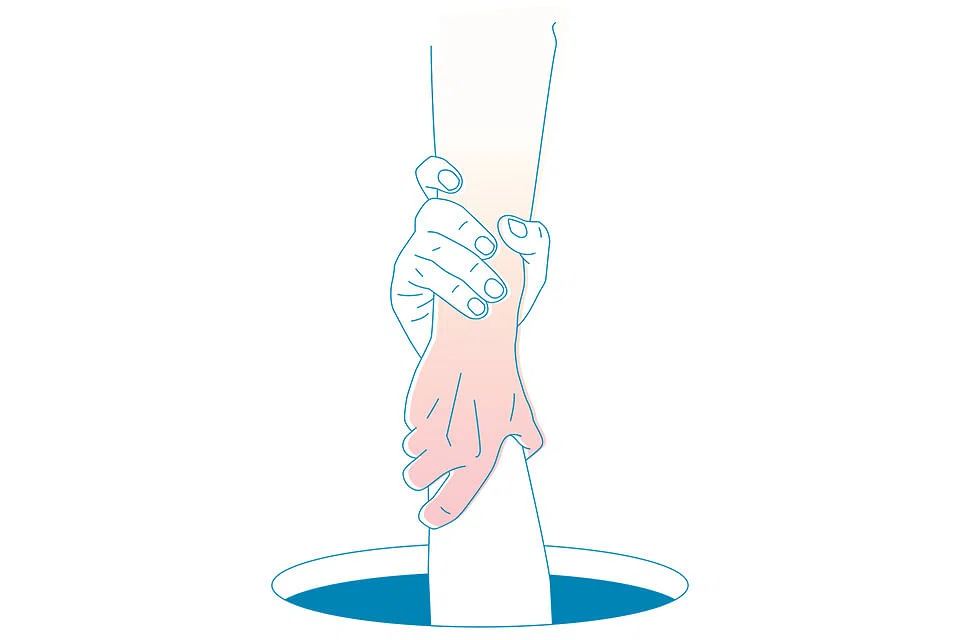
MENTAL health and well-being have been in the spotlight of late, with the stresses of the pandemic pushing many into unfamiliar pitholes of anxiety.
The last 2 years have been daunting, to say the least, with daily routines being so disrupted that too many feel an overwhelming sense of isolation. But even as mental well-being remains an issue of genuine concern, some have managed to hijack the issue to slack off.
Jasmine Tan (not her real name), a researcher, recounts how at Zoom meetings with her counterparts, "I felt that some of them were just being nua (hokkien slang for taking it easy), and not wanting to keep up to speed with work! And they just use it (mental health) as an excuse at times."
Indeed, being stressed and being in poor mental health are not one and the same. Playing the mental health card trivialises the real issue and ends up harming the people who truly are in need of help.
"Well-being is made up of different facets," explains Samuel Chng, who heads the Urban Psychology Lab in the Lee Kuan Yew Centre for Innovative Cities at the Singapore University of Technology and Design. "Being stressed doesn't mean your well-being is so affected that you can't cope. For example, planning a wedding is also stressful, but it doesn't harm your well-being."
Dr Chng adds that maintaining well-being in our lives does not mean we insulate ourselves or steer clear from challenges that come our way. "Adversities have their place in helping us grow as individuals. Hence, we have to delicately balance between facing these adversities and maintaining our well-being. There can be positive growth after going through highly stressful adverse events."
This brings us to the other side of the coin - mental strength and resilience.
Bjorn Lee, founder of mental health platform Mindfi, says that this is the time to understand that there is a newer branch of positive psychology that focuses on elevating mental capabilities, character strengths and generating optimistic emotions. "Multiple TED speakers have also spoken about the core concepts such as resilience, grit and emotional flexibility."
Social enterprise Xiohoo runs a bilingual training programme for the elderly to learn smartphone skills. But Covid-19 threw the spanner in the works as all seniors' activities were suspended. Co-founder Adrian Teo says: "It was a challenging time, and an isolating time for some seniors. But we banded together, and focused our efforts on conducting training online so that seniors can continue learning at home by attending our classes on Zoom, watching Xiohoo TV on Facebook and browsing through teaching materials shared via WhatsApp."
There was also a silver lining - possibility of expanded reach online. Teo explains: "In the classroom environment, our class size is limited by space constraints, typically not more than 25 seniors per class."
The disruptions have also not deterred 60-year-old Judy Tay who has been on the Xiohoo programme. Now, her goal is to be able to shop online for groceries and household appliances on her mobile phone - after having learnt to use WhatsApp.
SUTD research fellow Brigid Trenerry notes that "resilience is the process of adapting and coping during times of adversity and challenge".
"Importantly, the latest research shows that resilience and adaptability are qualities that can be learned and cultivated.
"We can strike the right balance in healthy societies by empowering individuals to develop their own sense of resilience and healthy coping mechanisms, while also establishing a larger ecosystem, which provides the necessary resources and support for individuals to cope during times of challenge, including pulling up our most vulnerable members," adds Dr Trenerry.
Still, despite the antics of some, the bigger concern is when people fail to realise they need help to cope.
As Dr Chng puts it: "You should seek help if you have difficult feelings that are stopping you from getting on with life and having a big impact on the people you live or work with, and have been affecting you for several weeks.
"In the context of work, you might find yourself more tired than usual, avoiding colleagues, procrastinating more or find it hard to motivate yourself."
Jaya Dass, managing director, Singapore & Malaysia, Randstad Singapore, notes that while some jobs are indeed more stressful, it is up to us as a society to always keep in mind that there is a real human being on the other side who is feeling real emotions. This is why it is critical for every organisation to have a strong community support system where colleagues are always willing to step in and help one another, even when the situation seems impossible.
"As with any other employee benefits, there will be a minority who will try to find loopholes and abuse the system."
She adds that while it's not difficult to identify these individuals as they are also likely to find loopholes in other benefits as well, employers should not limit their benefits based on the possibility that a worker would abuse them.
"Some workplace stress is created by toxic culture and employees may feel threatened by their managers who may not be very good at communicating. Companies should also evaluate their work culture to pinpoint areas for improvement, such as upskilling their managers to be more empathetic and be better at coaching and communicating with their employees."
Jeffery Tan, CEO, Jardines Mindset, says: "As a group, we are continuously exploring more ways to help and guide employees to achieve better mental health and provide them with a range of available resources. We also review employees' mental health issues on a case-by-case basis and follow up with check-ins to ensure that support is provided in their journey to recovery.
"We adopt and implement recommendations from the Tripatite advisory, organise regular mental health talks for employees, train line managers to learn more about mental health conditions, as well as embed medical and counselling resources through our Employee Assistance Programmes to offer external help as a further option."
MindFi's Lee adds that the best way to demystify mental health is to follow what we have done for physical health where we understand what it takes to have a healthy body - nutrition, sleep and exercise, which is further broken down into stamina, strength and flexibility.
Decoding Asia newsletter: your guide to navigating Asia in a new global order. Sign up here to get Decoding Asia newsletter. Delivered to your inbox. Free.
Copyright SPH Media. All rights reserved.
TRENDING NOW

Once staunchly pro-China, Malaysian Chinese businesses are now distancing themselves from Beijing
Cliff Tan has 7 million followers and a 4-month waitlist. Why won’t he expand his business?

Grab CEO’s wife Chloe Tong on life with Anthony Tan and finding her purpose
Singapore F1 to proceed despite haze; no changes planned to outdoor entertainment

