Why did the chickenpox cross the Covid road? To get to the Omicron side
In the inevitable scenario of a new endemic virus, hopefully we can utilise a more balanced, evidence-based approach going forward.
THE Knickerbocker,a former New York City magazine, first published this most iconic riddle. In 1847 the now famous chicken was introduced: "Why does a chicken cross the street? Are you out of town? Do you give it up? Well, then, because it wants to get on the other side."
The "joke" is meant to be an example of anti-humour and therefore intentionally not funny, a state of mind to which most of us can likely relate thanks to the Covid-19 pandemic.
There are lessons to be learned and questions to be raised by examining the history of chickenpox (varicella), a once-common childhood disease in certain parts of the world and the vaccine developed to treat it.
Chickenpox is an infection caused by the varicella-zoster virus resulting in a characteristic skin rash and generally mild disease in otherwise healthy children. The disease can be more severe in adults without prior exposure and in those with certain pre-existing conditions.
The overwhelming understanding that childhood acquisition of the disease would offer lifelong protection through natural immunity led to the evolution of "chickenpox parties", as parents intentionally exposed their children at the appropriate age.
Following a primary varicella infection, the virus can remain dormant in nerve cells for decades. Reactivation of the virus later in life causes shingles (zoster), with complications that can include post-herpetic neuralgia in up to 20 per cent of patients with severe burning pain that may unfortunately last for years.
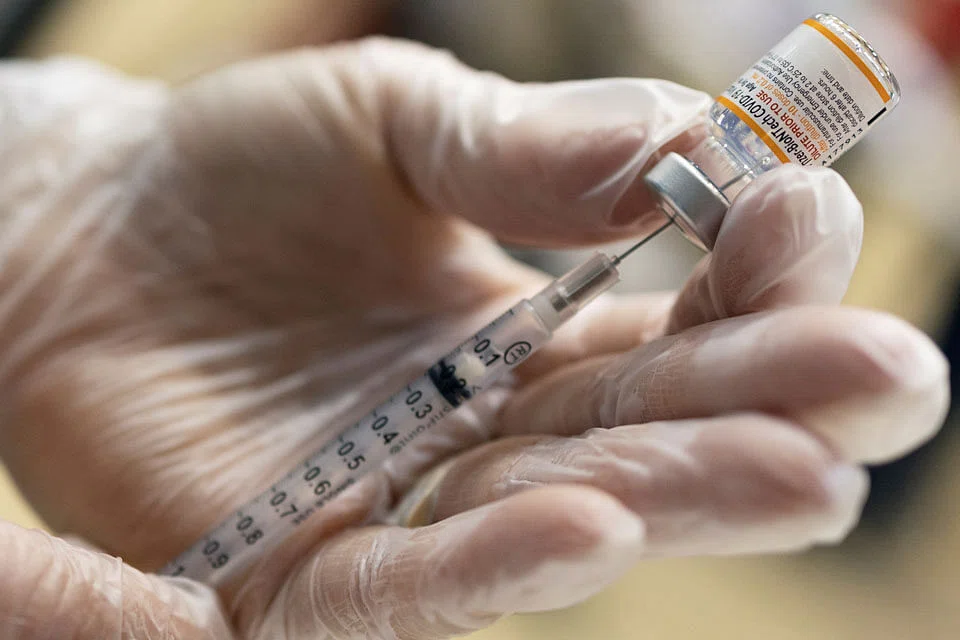
The Varivax vaccine for the prevention of chickenpox was approved by the US Food and Drug Administration in 1995, following over 10 years of testing that involved thousands of children in multiple studies.
In comparison, the vaccines approved for children for Covid-19 initially received emergency authorisation based on studies that ran for months, but not years. Operation "Warp Speed" speaks for itself as years were not available for the development of Covid-19 vaccines while the world battled the pandemic.
Despite concerns about the expedited process, the end-goal of producing a commercial product understandably became the holy grail to put an end to our collective misery. While the evidence still supports vaccination among the elderly and those at risk, should there be greater debate around vaccine recommendations given that severe disease and hospitalisation secondary to Covid-19 in healthy children are rare?
While many countries offer universal vaccine programmes for varicella, others decidedly do not.
Concerns were raised prior to approval that widespread vaccination for chickenpox could lead to higher rates of shingles (and at younger ages).
Essentially, exposure to the wild strain of varicella was felt to be a natural booster preventing virus reactivation. As a result, countries like the United Kingdom have yet to implement a childhood vaccine programme for varicella, believing that an increase in shingles cases would be a greater healthcare burden than chickenpox.
While some countries have mandated Covid-19 vaccines for children and adolescents, with approval now being sought for 6-month-olds, other jurisdictions have pursued a different approach.
Recently, the Swedish Public Health Agency announced that it was not recommending Covid-19 vaccinations for children aged 5 to 11. The agency cited little benefit for the individual child and likely no impact on the overall spread of infection to help the general population.
In addition, they stated that the younger the child the lower the risk of serious disease would be from Covid-19.
Even prior to the milder Omicron variant, health authorities in the UK had determined that the margin of benefit, if any, was too small to recommend comprehensive vaccination for 12-15 year olds.
How can the medical establishment in different countries have opposite views concerning the management and treatment of the exact same disease? Is Covid-19 really so different in the United States than Sweden? Which institutions or experts should the public trust with these life-altering decisions and do we really understand any potential inherent bias in how these recommendations are generated?
In the present Covid-19 wave the Omicron variant represents a highly contagious but low virulent strain of the virus, which in this sense is quite similar to chickenpox. Given that there are developed countries choosing not to adopt a widespread varicella vaccination programme, should our view of Omicron have taken a similar approach for children?
While bad outcomes can occur with both chickenpox and Covid-19, should rare events drive our collective approach to the treatment of the majority of our societies, potentially resulting in far greater loss to us all? In the inevitable scenario of a new endemic virus, hopefully we can utilise a more balanced, evidence-based approach going forward, especially concerning the health of our children and future generations.
So why did the chicken cross the road? Maybe it saw the Omicron party on the other side and decided it was ready to move on with its life. We know we are.
Richard Weinstein, Toby Chan and Jaspreet Rayat are physicians based in Waterloo, Canada, and co-founders of EyeStart Inc. James Cooper is professor of law at California Western School of Law in San Diego.
Decoding Asia newsletter: your guide to navigating Asia in a new global order. Sign up here to get Decoding Asia newsletter. Delivered to your inbox. Free.
Share with us your feedback on BT's products and services