

3 Body Problem: Thinky sci-fi meets TV spectacle
Controversy aside, the new Game Of Thrones is one of the smartest series in recent history

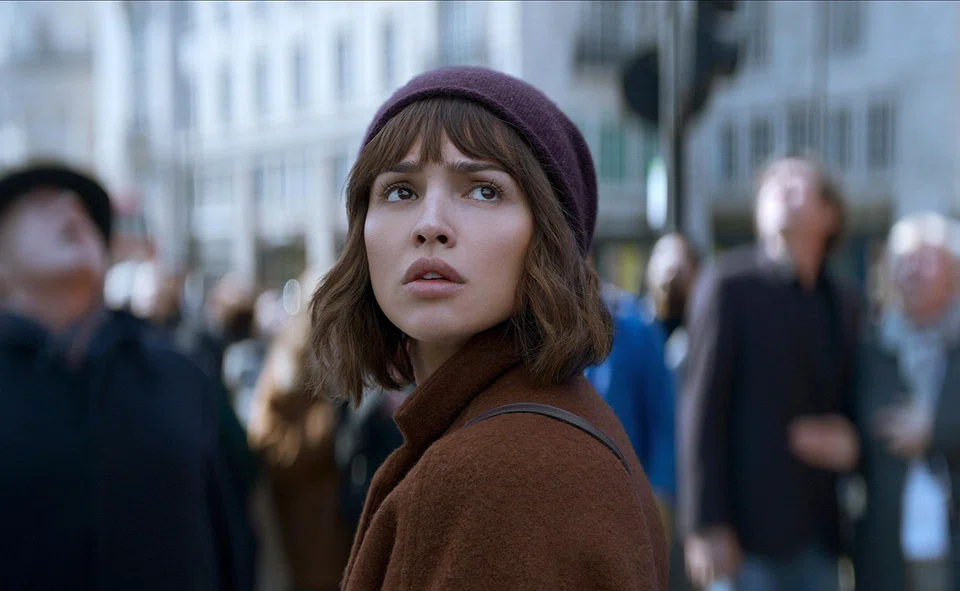
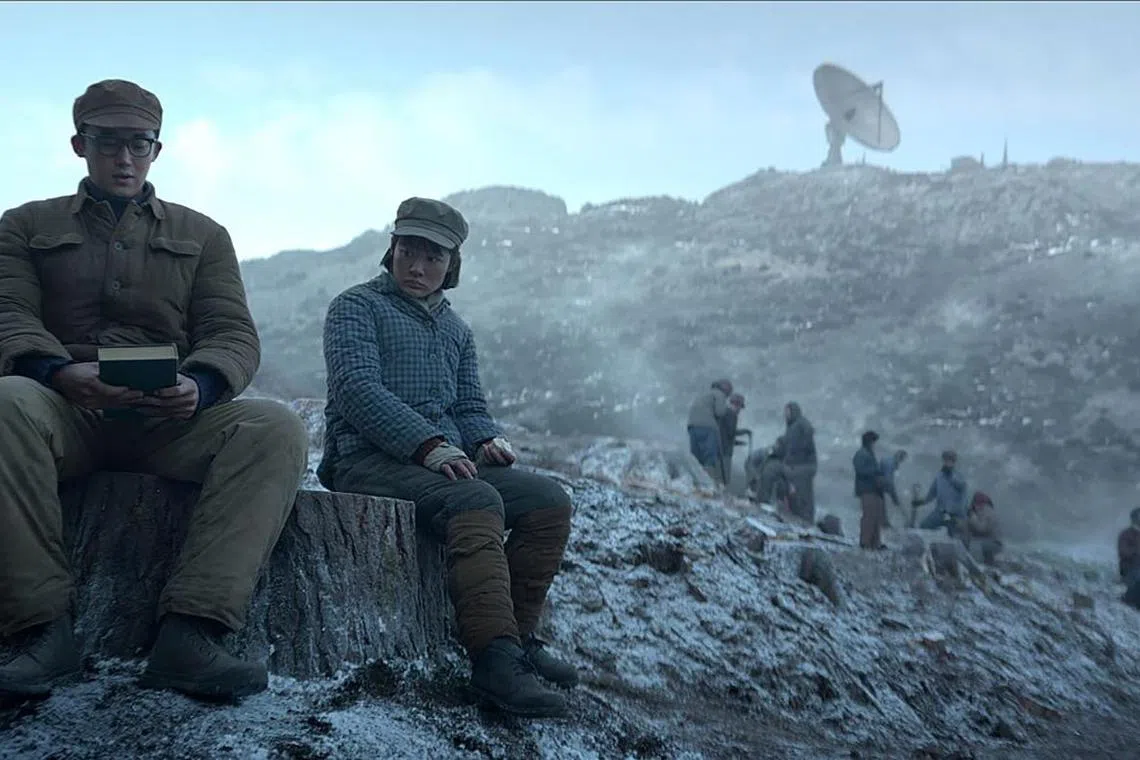
THE controversial opening scene of Netflix’s new sci-fi series 3 Body Problem is set in 1960s China during the Cultural Revolution, where a group of young Maoists are beating a Beijing physicist to death for his resolute belief in the Big Bang Theory. This scene has reportedly angered Chinese viewers – just as they were in February by HBO’s Hong Kong-based series Expats – because they feel that the scene puts China in a bad light.
The show is based on the 2006 Chinese novel The Three-Body Problem by Liu Cixin, which has already sold millions of copies in China, making it one of the biggest science-fiction bestsellers in Chinese history. The novel contains the exact same scene, faithfully recreated in the TV show – although the difference is, the scene in the book is buried in a later chapter, so as not to attract Chinese censorship.
The novel was later translated into English in 2014 by American author Ken Liu. Ken Liu asked Liu Cixin for permission to put the Cultural Revolution scene at the start of the English version, because he felt it made more sense chronologically – and Liu Cixin gave his blessing. It is this version that producer-writers David Benioff and DB Weiss – the famous duo behind the TV juggernaut Game Of Thrones – and fellow producer-writer Alexander Woo (True Blood) relied on to turn the novel into Netflix’s smartest, most dizzying sci-fi series in recent history.
Indeed, it is not hard to see why Benioff and Weiss are betting on 3 Body Problem to be their next Game Of Thrones hit. The novel tells an epic tale of interstellar intrigue across three expansive novels. It is, in essence, another Hollywood-ready tale of impending alien invasion and the human attempts to halt it. But it deftly mixes particle physics, VR games, artificial intelligence and extra-terrestrial speculation with the complex history of Chinese politics.
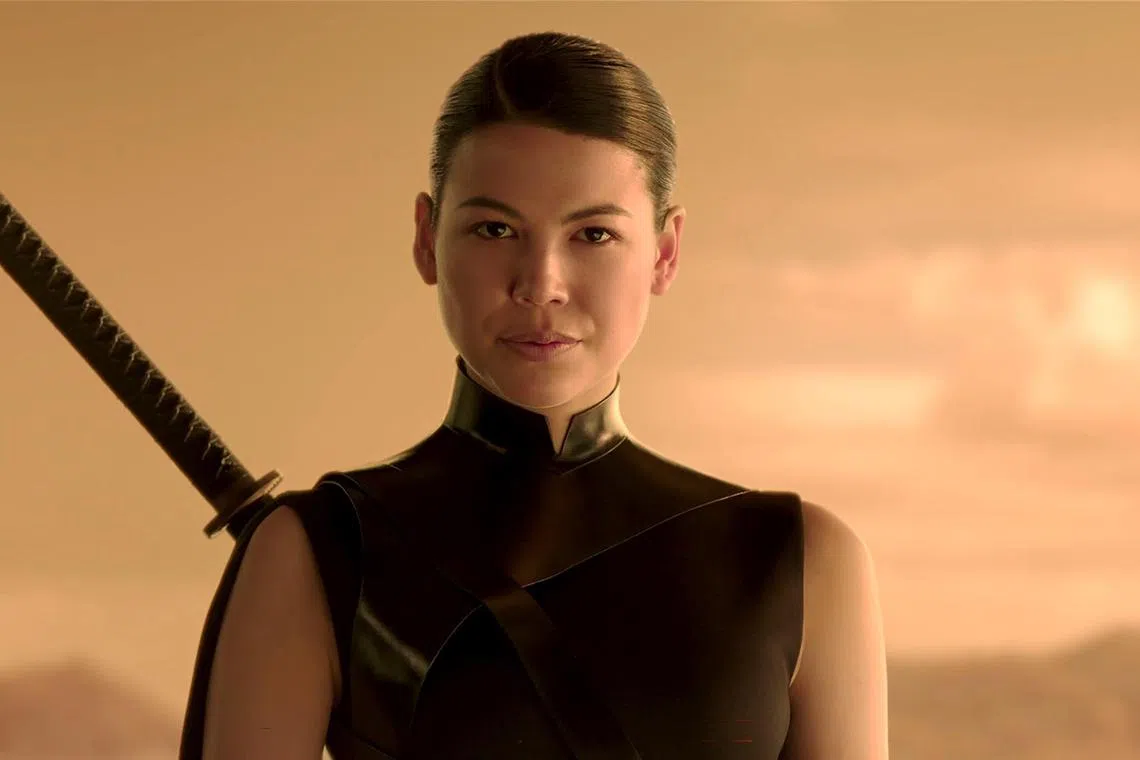
For good measure, it also weaves in game theory, Fermi’s paradox, dark forest hypothesis and, of course, the three-body problem (a physics conundrum in which predicting the movement of three objects interacting with each other through gravity is impossible), among other popular theories.
The Netflix version stays true to the novel’s plot points and scientific inspirations, but it has made significant changes in order to appeal to an international audience. For instance, the novel centres on two present-day Chinese protagonists (a detective and a scientist) investigating a string of suicides among top scientists in China somehow linked to the events of the Cultural Revolution. But the Netflix version changes the protagonists to five Oxford-trained physicist friends hailing from the US, UK and Mexico living and working in London. Instead of being Chinese, they’re ethnically black, white, Asian and Latin American – another source of annoyance for Chinese viewers who accuse Netflix of cultural appropriation.

Yet, in many ways, the Netflix version does make Liu Cixin’s story much more palatable for international viewers, because it allows for the five protagonists to discuss somewhat stripped-down scientific and philosophical theories through friendly banter and humour – instead of having one scientist mull over these complex theories in his head, as depicted in the book. How do you film that? In fact, an earlier Mandarin TV show by Chinese streamer Tencent released in 2023 had already attempted a more faithful adaptation. And the results are much harder to digest and less entertaining than the Netflix’s version.
The Netflix adaptation certainly benefits from a much bigger budget – a reported US$20 million per episode, according to The Wall Street Journal – which translates to spectacular, panoramic scenes of alien-altered skies, virtual reality landscapes, historically authentic settings and an ambitious space mission. All of these have helped propel the show to the No 2 most-watched on Netflix’s platform (after Guy Ritchie’s The Gentlemen), with many viewers reportedly finishing the eight-hour series in one sitting.
Yes, the Chinese have a right to be annoyed by white filmmakers taking a Chinese sci-fi novel and whitewashing it (yet again) into a story of Western-based heroes saving the earth. But the upside of that is that Liu Cixin’s novels have officially entered the mainstream and will now be read by a much broader global audience. Netflix’s alterations, while contentious, have opened the doors for viewers worldwide to engage with the novel’s mash-up of science fiction, political history and philosophical ponderings.
Perhaps, in sparking discussions and debates about representation, cultural appropriation and artistic interpretation, it encourages a deeper understanding and appreciation of the complexities inherent in translating literature across cultures and mediums. And, let’s admit it, Netflix’s adaptation is just really good television.
3 Body Problem is showing on Netflix.
Decoding Asia newsletter: your guide to navigating Asia in a new global order. Sign up here to get Decoding Asia newsletter. Delivered to your inbox. Free.
Copyright SPH Media. All rights reserved.
TRENDING NOW

Inside Jensen Huang’s last hours as Nvidia CEO

Higher rates, weaker spending: Is the Philippines entering stagflation?

‘I’ll be buying more’: Singapore investors pour into Nvidia shares on Jensen Huang’s exit

Demand, tech capabilities position Apac and AI as Skyscanner’s next growth frontiers: CEO Bryan Batista

