

A spirited guide to California's world-class wines
Enter a 'Golden State of Mind' and quench your wanderlust on a virtual tour of California's famous wine country
 Add BT as a preferred source

It's no secret that some of the best wines in the world come from California. As the fourth largest wine-producing region in the world, the Golden State is home to over 4,200 wineries and over 110 winegrape varieties, with regions like Napa Valley and Sonoma County practically synonymous with high-quality vintages.
But what makes California such a great place for winegrowing?
The state's ideal weather and diverse terroir play a large part, but the wineries' continued commitment to sustainable viticulture and their ceaseless spirit of innovation have an equally vital role to play in ensuring the longevity of vineyards - and, ultimately, the quality of the wines we get to savour.
As part of Wine Institute's new Golden State of Mind campaign launched early this year, California's winemakers and wine experts share what makes California wines so special and recommend top bottles from the state you can purchase here in Singapore.
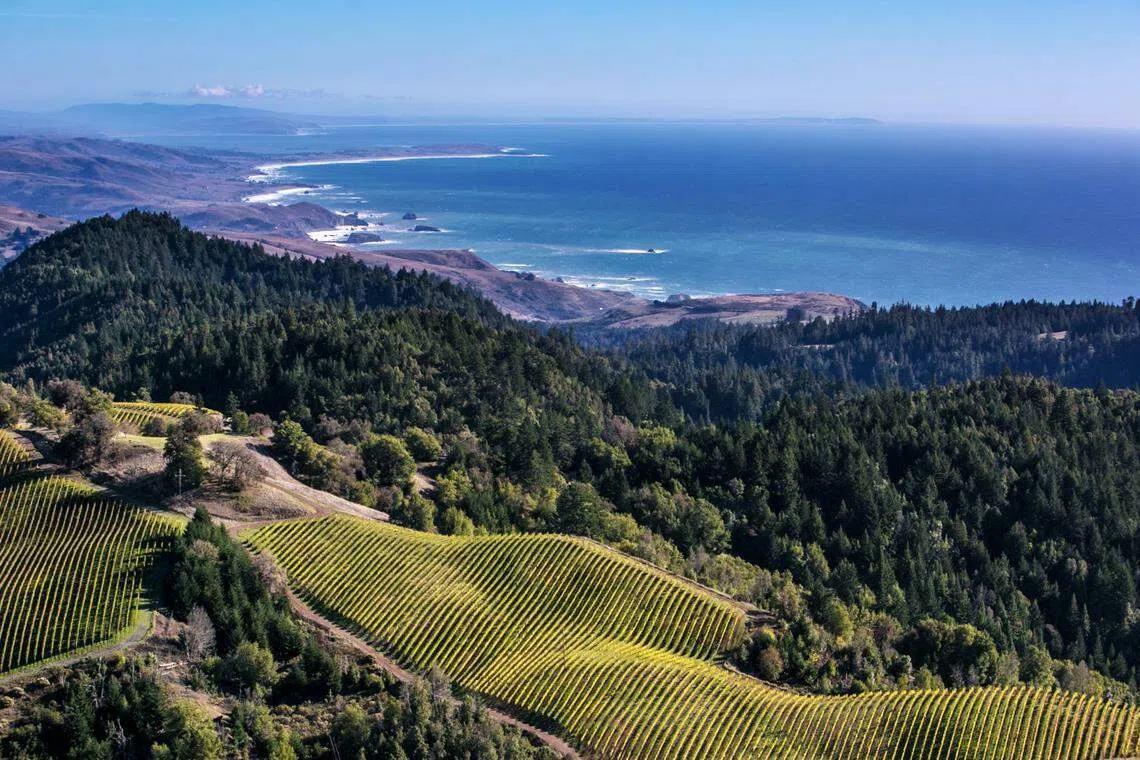
Place-focused wines that champion sustainability
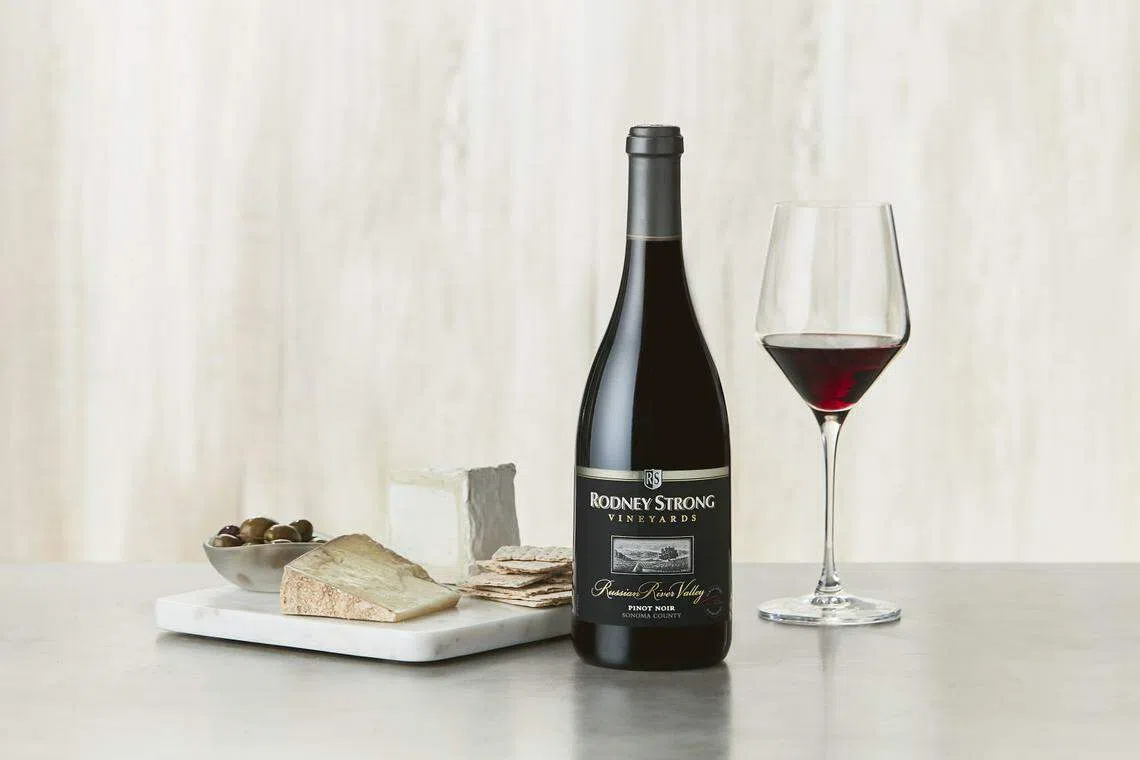
For excellently crafted wines that showcase the best of a particular region, top establishments such as Rodney Strong specialise in producing place-focused wines, including their highly-acclaimed single vineyard Cabernets and Reserve tier wines that are "as pure to the form of the terroir as you can get", says director of winemaking Justin Seidenfeld.
Situated in Sonoma County, the region's microclimates make it a unique place for growing grapes in almost every varietal you can imagine. "We have cooler climate wine-growing regions like Russian River Valley, where we grow exceptional Pinot Noir and Chardonnay varietals, while warmer, higher-elevation areas like Alexander Valley are great for growing Bordeaux varietals," explains Mr Seidenfeld.
As a Certified Level 2 Sustainable Winery - the highest level certification - Rodney Strong aims to simplify the winemaking process, whether by sourcing their fruit from small family farmers within the county, or utilising automatic irrigation technology to produce better quality wines.
"The most important way to improve vineyard quality is through irrigation practices," he says. "By achieving the regulated deficit that we need [through automatic irrigation], we can get our grapes to become more concentrated in flavour, and develop tannin more precisely to get richer, denser textures."
Over in Paso Robles, one of the state's oldest wine regions, Tablas Creek Vineyard produces some of the finest Rhone-style organic wines made without the addition of any chemical herbicides, pesticides or fertilisers. This, as well as their emphasis on responsible farming, have made them the world's first Regenerative Organic Certified vineyard in 2020.
Second generation proprietor Jason Haas says: "The same things that make a vineyard and winery more sustainable also are critical to making wines of character and place. So, the elimination of chemicals in the vineyard and winery, along with the reduction or elimination of irrigation [by dry farming], make more intense grapes that taste more distinctively of our own terroir."
To keep their estate vineyards in prime condition for grape-growing and minimise stress on the environment, the winery employs biodynamic practices to foster biodiversity. This includes planting over 200 fruit trees and employing a flock of 200 ewes, instead of using tractors, to work the land.
"With many of our neighbours having to replant vineyards due to vine exhaustion around 20 years old, if we can keep our older, almost 30-year-old blocks in production for additional decades, the higher percentage of old vine fruit in our wines will have significant payoffs," says Mr Haas.
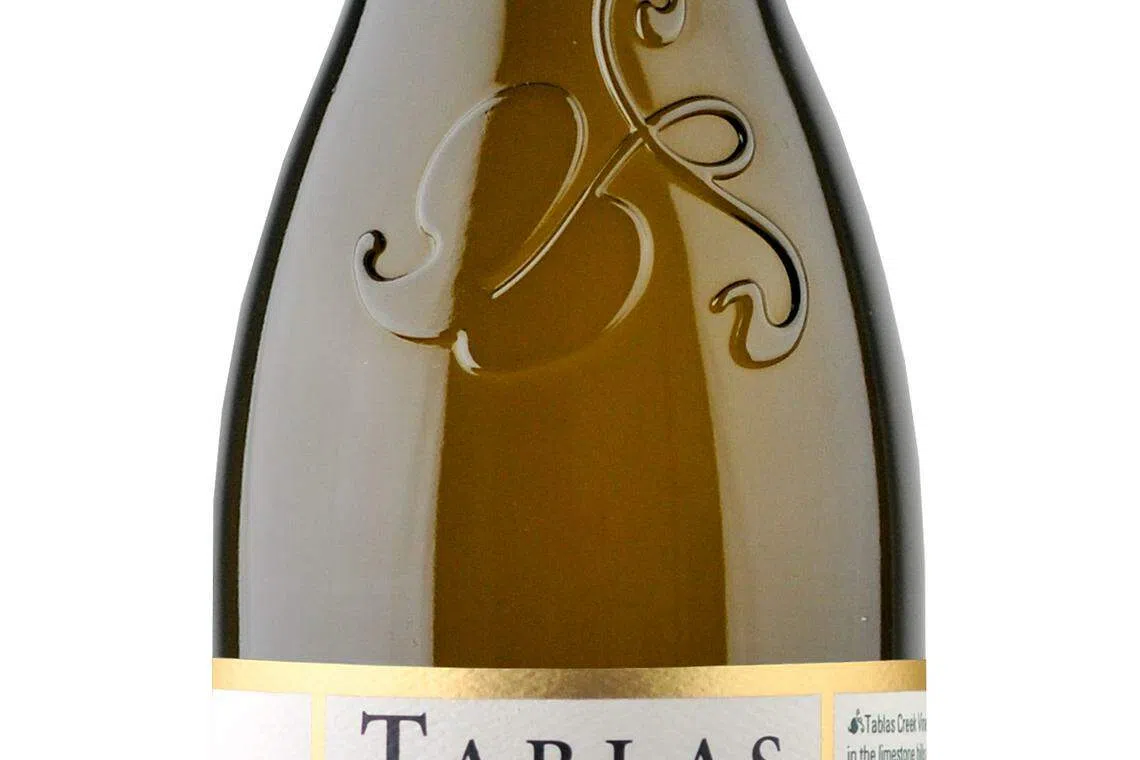
Available in Singapore: Tablas Creek Esprit de Tables Blanc 2017, from $88 (RRP), a blend of five estate-grown varietals with notes of honey, spice, green apple, anise and pineapple. Available at Grandcruwines.com and Park90.com. Photo: Tablas Creek
Unique, bold cult wines driven by innovation
The Golden State's flourishing wine industry is also powered by dynamic winemakers and exciting cult labels that bring fun and creativity to the table, such as The Prisoner Wine Company.
Ever since the introduction of its revolutionary red blend 20 years ago, the brand has continued to push the boundaries of Napa Valley zinfandels with ever more complex, thought-provoking flavour profiles.
"The blend for our wines differs each year, depending on what nuance and balance that particular vintage provides," says Ms Chrissy Wittmann, director of winemaking.
"When innovating and creating new blends, our main goal is to blend what works, not what is typical or expected. We look to traditional practices only to build from them and make something entirely new that embodies our audacious personality."
Their rich, lush red blends comprise highly unusual grape varieties, carefully sourced from over 100 grape-growers across the state "which allows us to be very selective in our fruit quality and gives us the opportunity to use more uncommon varietals like Charbono and Roussanne, creating unexpected flavours," adds Ms Wittmann.
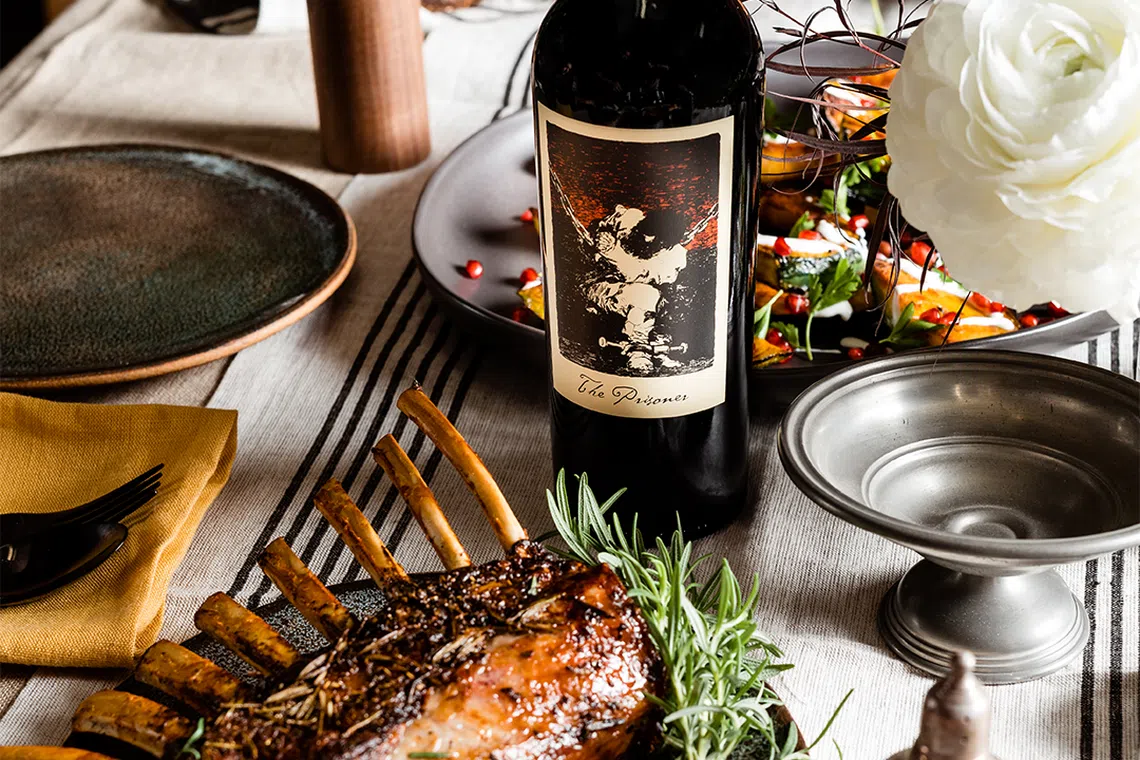
When it comes to creating memorable and iconic wines, Orin Swift's founder and winemaker Dave Phinney believes what's on the outside is as important as what goes into each bottle. The result: quirky labels with bold imagery designed to complement the brand's characteristic cutting-edge blends.

Says Mr Bill McMorran, vice-president and general manager Asia/Pacific of E&J Gallo, which owns Orin Swift: "For Dave, if an idea isn't crazy enough, it's not worth doing. If you ask what his favourite wine is, he'll say he never has one because he always wants to make a better wine."
For instance, an encounter with an old police car while on the road with the word 'killers' keyed into its side sparked inspiration for an evocative new label, which was eventually embodied in the Machete Petite Syrah California Red Wine.
"Every case of 12 bottles has a unique label, each showing a woman in a position of power. [As such,] Dave wanted to make a wine that would also be powerful, so he used darker grapes and used black-blending to make the colour even darker," Mr McMorran explains.
This inventive attitude translates into their sustainable practices as well, as the brand strives to innovate new ways to lower their carbon footprint and continue making stellar wine. "Being family-owned, we believe in preserving the land and passing it on to future generations, not just the next quarter," he adds.
"The fun of experimentation is where it gets exciting for the wine community. For instance, if I can only use 75 per cent of the water I had before, how can I still make the wine just as good?"
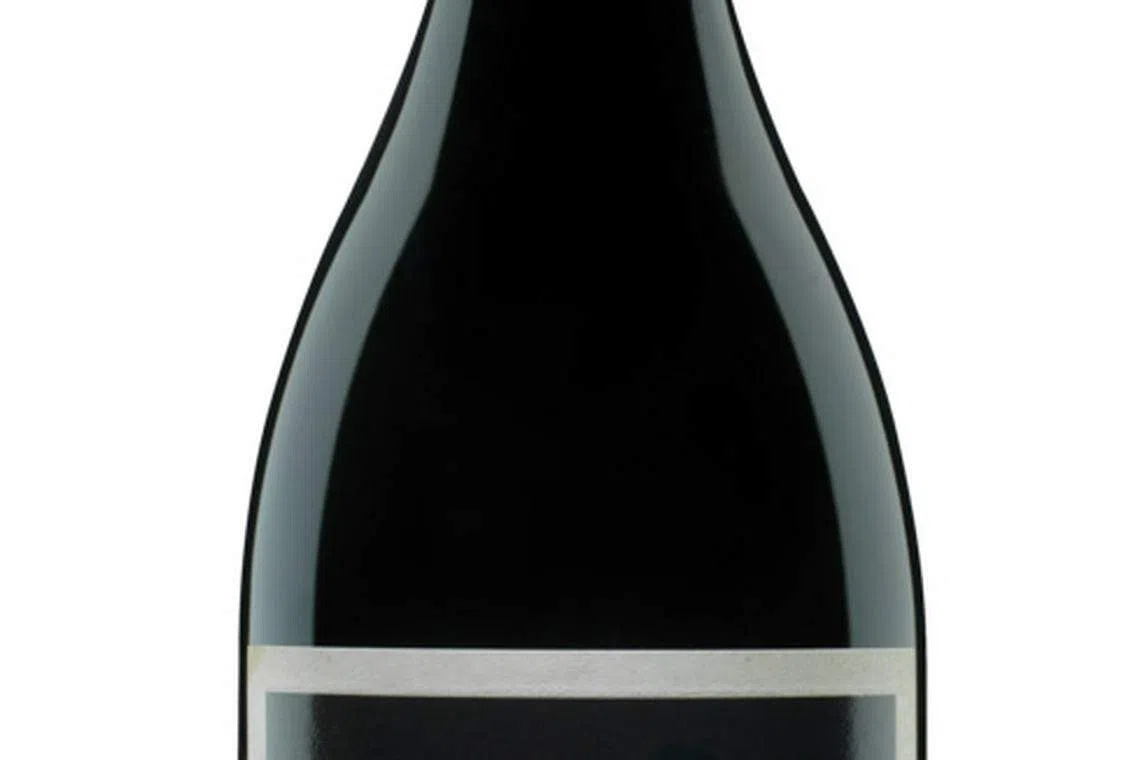
Available in Singapore: Machete Petite Syrah California, Red Wine 2017, $110 (RRP), a rich, enveloping and vivacious blend of Petite Sirah, Syrah and Grenache sourced from premier vineyards across California. Available exclusively at maltwineasia.com. Photo: Orin Swift
For more information on California Wines, visit https://discovercaliforniawines.com/ and https://wineinstitute.org/.
Decoding Asia newsletter: your guide to navigating Asia in a new global order. Sign up here to get Decoding Asia newsletter. Delivered to your inbox. Free.
Share with us your feedback on BT's products and services
TRENDING NOW

‘I felt like dying’: Thai Singha beer scion speaks up after disclosure of alleged sexual abuse

CSE Global independent director quits after clashes with chairman Eugene Lai over board refresh

Tiger Beer lines up new products as Singapore operations’ role shifts from brewing to innovation

Single founders, billion-dollar valuations: AI is minting unicorn startups at birth

