
Another variable in the winemaking process: Climate change
 Add BT as a preferred source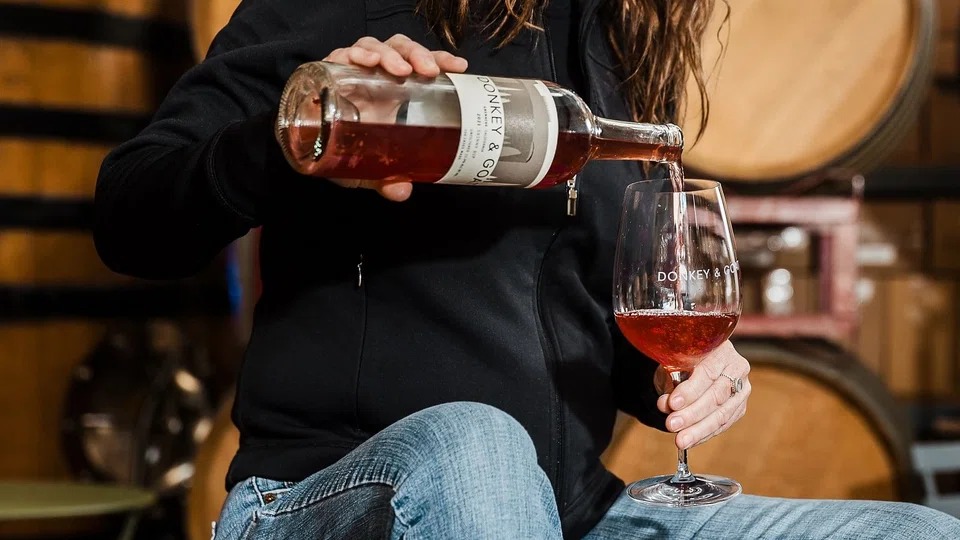
IF anyone doubts the jarring effect that climate change has already had on the California wine industry, ample evidence was on display in late March at Donkey & Goat's outdoor tasting area in this neighbourhood of motorcycle repair shops and urban wineries.
At picnic tables in front of a graffitied cinder block wall, visitors sampled Donkey & Goat's newly released natural wines, a group that even the producer's most ardent fans would not recognise.
Instead of the usual bottles highlighting the hyperspecific terroir characteristics of single vineyards in Northern California, stretching from Mendocino and Sonoma east to El Dorado and the Sierra Foothills, the 2021 Donkey & Goat wines available to taste were either labelled with the generic "California" appellation or came from vineyards that had not been part of its usual lineup.
Wine fans who cherish bottles with a sense of place look for specificity in appellations, hoping the wines will reflect the qualities of an area or vineyard. That has always been Donkey & Goat's strong suit. In the past, any of its wine labelled "California" was made from inexpensive grapes and carried a modest price tag.
But this year, some of its most expensive grapes are going into those "California" wines. Crops from multiple appellations were combined in an effort to make up for shortfalls after the 2021 fires in Northern California.
The catastrophic fires of the past few growing seasons on the West Coast have turned what was once the relatively routine, joyful-if-adrenaline-fuelled annual ritual of harvest and winemaking into a period of fear and anxiety. Growers and winemakers now must consider whether fires will come again and what to do about it.
Navigate Asia in
a new global order
Get the insights delivered to your inbox.
Fire damage, along with smoke and ash, is devastating to any vineyard and producer. Those wineries owned by billionaires or big corporations have the resources to withstand diminished harvests, or even a year or 2 with no wine at all. But small businesses like Donkey & Goat now face existential threats each year and wonder if they will be able to make enough wine to cover costs.
As a matter of survival, West Coast wineries have had to innovate, turning grapes that might have been destined for one sort of wine into a completely different one.
Tracey Rogers Brandt, the general manager and winemaker for Donkey & Goat, is hoping that the unusual wines she was compelled to make in 2021 will not be demeaned because they are different or unexpected. She hopes that what she calls her "climate-driven creative wines" will be recognised as inventive responses to disastrous events and valued accordingly.
Every year Isabel's Cuvee, a single-vineyard rosé made from grenache gris grown on the Gibson Ranch in the McDowell Valley of Mendocino County, is a core wine for Donkey & Goat.
Rogers Brandt had plenty of grapes in 2021 to produce the usual amount of Isabel's. But the Caldor Fire ravaged vineyards in El Dorado, where Donkey & Goat obtains nearly 55 per cent of the grapes for its annual production of red wines.
Donkey & Goat was able to salvage roughly 40 per cent of its red grapes, mostly syrah, grenache and mourvedre. But when smoke and ash settle on red grapes, the grape skins, which provide colour and structure to the wine, must be discarded. Red wine cannot be produced without subjecting the wine to the sorts of technological manipulations Donkey & Goat abhors.
In such cases, many wineries would use the grapes to make a simple rosé. Rogers Brandt could have made an innocuous rosé to sell alongside Isabel's Cuvee. But she said that would not have been satisfying aesthetically, and she would have lost money on the wine.
She decided instead to combine the rosé made from these grapes with the rosé destined for Isabel's Cuvee. Feeling the wine was still missing something, she added some pinot gris from the 2020 vintage, made in the ramato style, in which the juice and skins are macerated together, adding texture and colour. Federal rules permit up to 15 per cent of a blend from a vintage other than the stated year.
The result, labelled Gris Gris, is delightful - lively, tangy, refreshing and bone dry, with flavours of fruits and herbs. It includes grapes from McDowell Valley, Anderson Valley and El Dorado, hence the California appellation. Rogers Brandt is selling the wine for US$32 a bottle, roughly equivalent to Isabel's Cuvee despite the appellation.
"I can't survive if I have climate impact and have to designate wines 'California' and sell them for a song," she said. "People say: 'It's not a vineyard designate, it should be cheaper.' No, I should charge more because my expenses are so much higher."
Donkey & Goat, like many small wineries without vineyards of their own, must develop partnerships with growers to assure a steady supply of fruit. This is doubly important for producers like Rogers Brandt, who works primarily with organic and biodynamic vineyards.
Faced with fires in both 2020 and 2021, many winemakers bailed on growers or bought only a portion of their allotment. It's a difficult situation for all concerned, but Rogers Brandt said it was crucial to support growers.
"You can't just buy grapes in the good years," she said. "That's not going to work for growers. To preserve vineyards and farming, you have to keep it going."
The experience of 2021, she said, has given her the confidence to face whatever twists that climate change will surely bring in the future.
"Look, this isn't going anywhere," she said. "We all have an existential crisis. We have to figure out a way to create and find joy in making wine." NYTIMES
Decoding Asia newsletter: your guide to navigating Asia in a new global order. Sign up here to get Decoding Asia newsletter. Delivered to your inbox. Free.
Share with us your feedback on BT's products and services

