

Architects reach for the skies

Tay Suan Chiang
NAME a Singapore landmark building today and you'd be hard put to pick your favourite, although Marina Bay Sands with its three hotel towers no doubt would be a front runner.
Flashback 50 years and the skyline was vastly different. As veteran architect Goh Chong Chia, a director at Ong & Ong who has been practising architecture since 1972, puts it, when the British left Singapore, "they didn't leave us with very much".
Says Dr Goh, 68: "We had to develop our infrastructure, and there was a lot of substandard development in the form of slums and dilapidated squatter settlements."
The main issues facing the new nation then included overcrowding, inadequate infrastructure and a lack of proper housing.
"Housing was a big issue then, and without proper housing for its people, a country is unable to develop further," says Chan Sui Him, 69, chairman of DP Architects. Mr Chan has been practising since 1968.
HDB was set up in 1960, and by 1965, it had built 54,000 flats, with Queenstown as the first satellite town. The flats that HDB built were basic, but for residents who were living in slums previously, it provided a world of difference. By 1970, the housing problem had been licked.
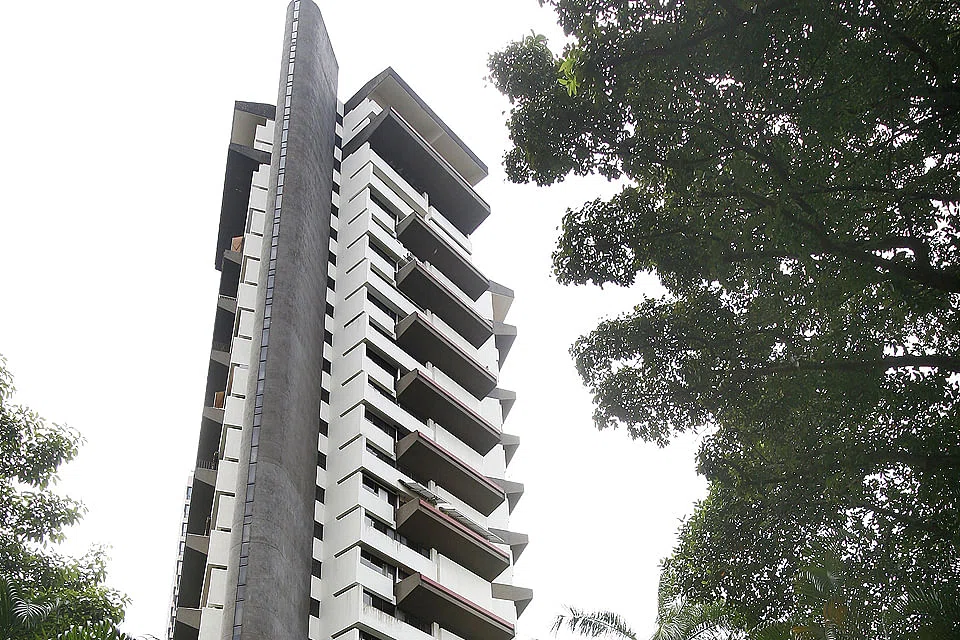
On the private housing side, Dr Goh notes that architects were hired to design landed homes, but it was in the mid-1970s, that saw the start of high-rise private residences. It was the Ministry of National Development's plan to attract the middle and upper-middle classes to move into condos rather than landed properties for efficient land use.
Some key projects then included Beverly Mai, Pacific Mansions, and Hilltops Apartments. Dr Goh, who worked with architect Timothy Seow on Beverly Mai, Singapore's first condo, says "It was a pioneer of luxury housing."
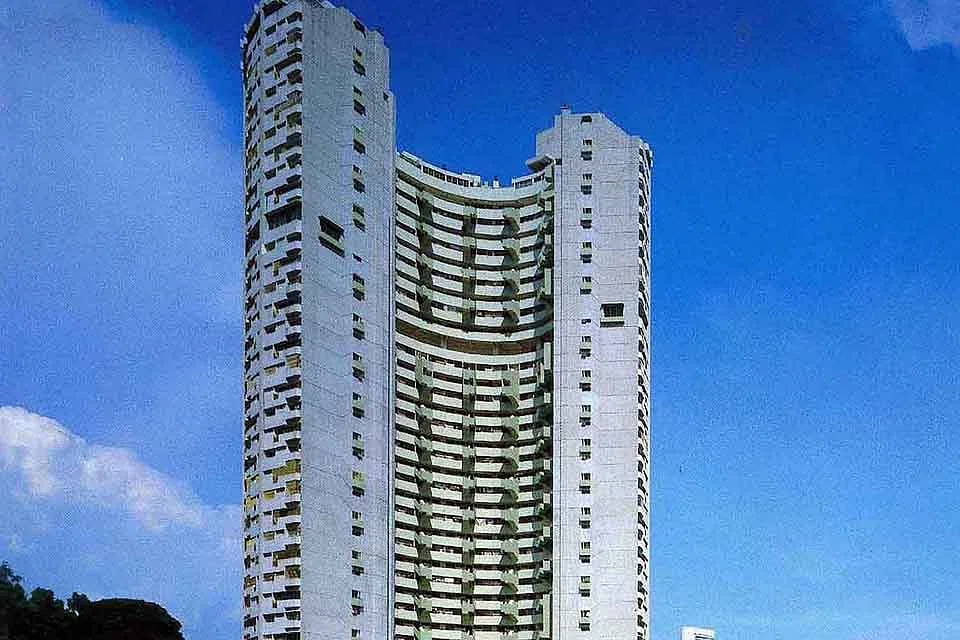
Many of these condos, which were then seen as trendsetting, are no longer around, thanks or no thanks to en-bloc sales. One iconic condo that has so far been spared the wrecking ball is the horseshoe-shaped Pearl Bank building.
"It looks old on the outside, but it is still very much a recognisable building in Singapore," says Mr Chan.
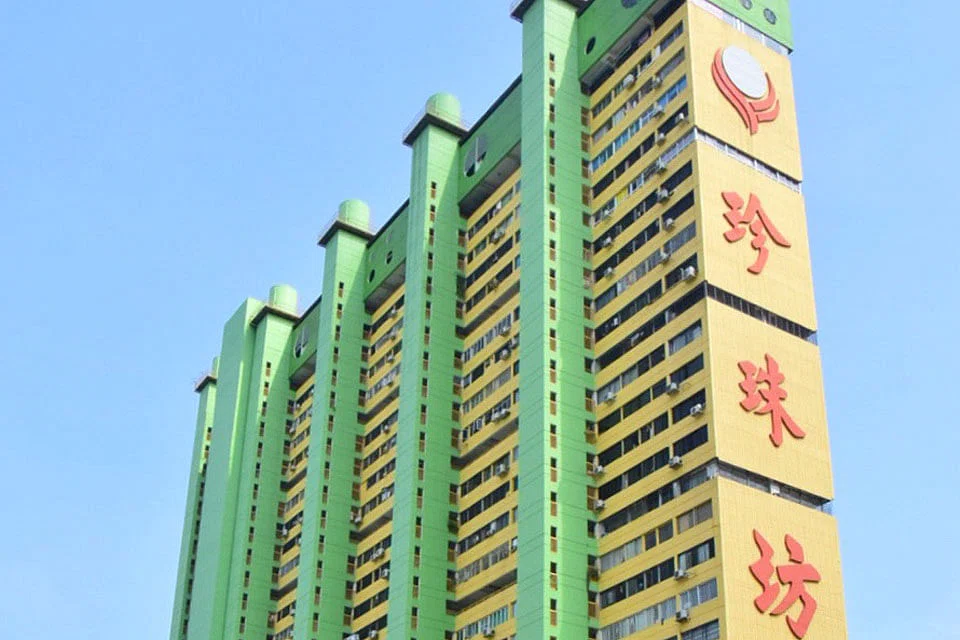
Back in the 1970s, Singapore too had its share of key landmark buildings. People's Park Complex and Golden Mile Complex are the two most famous ones. Compared to today's buildings, they have definitely lost their shine, but are still leaving an indelible imprint on the collective memory of Singaporeans.
Singapore's architectural landscape met with another change with the development of Marina Centre. Designed between 1986 and 1997 by DP Architects, the area includes Marina Square mall, Suntec City and Millenia Walk. "This new development was significant, as it meant that Singapore could develop itself further on reclaimed land without destroying the old," says Mr Chan. Marina Bay Financial Centre, the new CBD to Shenton Way and Raffles Place was also built on reclaimed land.
In the last 50 years, many of Singapore's key landmarks were built by local architects. But that has changed with the opening of Marina Bay Sands in 2010, which was designed by Israeli/Canadian/American architect Moshe Safdie. Incidentally, Mr Safdie is also behind Jewel, Changi Airport's new retail-cum-airport complex which will be completed in 2018. The hope is that Jewel will become an icon in itself too.
Is there a fear that Singapore's landmarks will no longer be designed by Singaporeans? Mr Chan doesn't think so. "For a country to grow, we have to accept foreign architects. But we should not be afraid of them, we must be brave to compete with them."
How will Singapore look in the next 50 years? "Architects today have a range of projects that we could not have dreamed of," says Dr Goh. "We will see denser and ultra-tall structures, giving more green on the ground. More integrated micro-climate canopies throughout the urban areas, and more integration of sky gardens in building structures."
Copyright SPH Media. All rights reserved.






