

Brazilian soul on Singaporean soil: A 30-year-old home reimagined
This semi-detached house in Siglap brings contemporary design into an old superstructure
[SINGAPORE] Growing up, Lim, as she prefers to be known, was one of those privileged few who spent some years living in a Bukit Timah Good Class Bungalow (GCB) – the absolute top-tier housing type in Singapore.
“The GCB setup is very different,” she recalls of those Crazy Rich Asians days. “When the neighbours invite you for parties, it’s ‘oh my chef can cook Moroccan food’ or ‘my husband wants to take the Rolls Royce into Malaysia’, that sort of conversation.”
But as an adult returning after living in Australia, Switzerland and China, it was not the lofty GCB lifestyle she sought but the more neighbourly kampong flavour of her childhood street in the Siglap area.
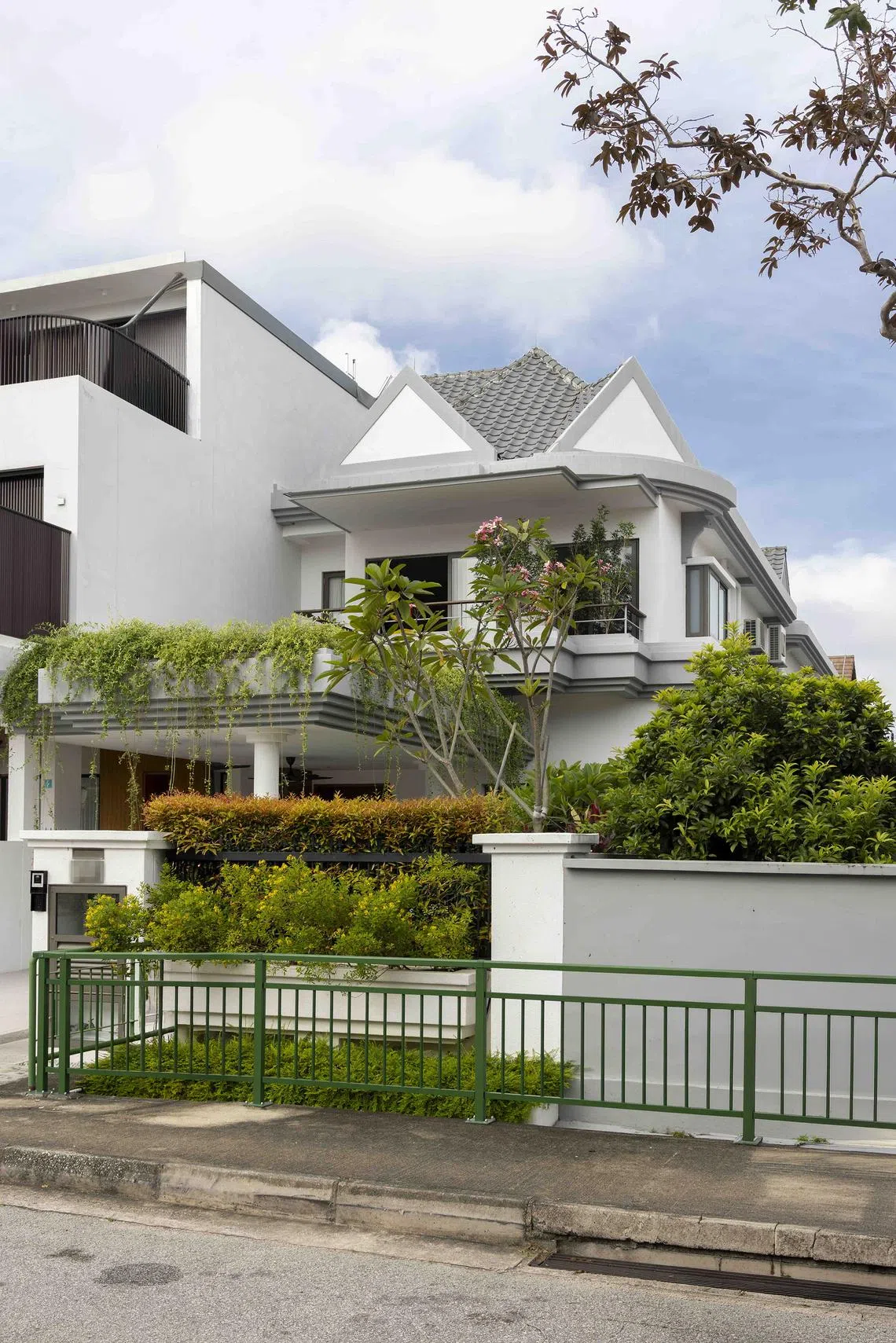
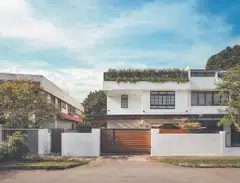
So, after three determined years of house-hunting, she finally found her dream property in the vicinity – a semi-detached house on built around the mid-90s. Sitting on 4,380 square feet of land, it sits between homes owned by her mother and brother.
Lim and her Brazilian husband – both from the finance industry – then appointed Erwin Pimenta of Studio Superlative to transform the property into a home for them and their two-year-old son.
Respecting the “bones”
The house had been rented out for a long time and was in a mess, but it had good “bones”. “The man who built the house and lived in it was a contractor himself,” explains Lim’s husband.
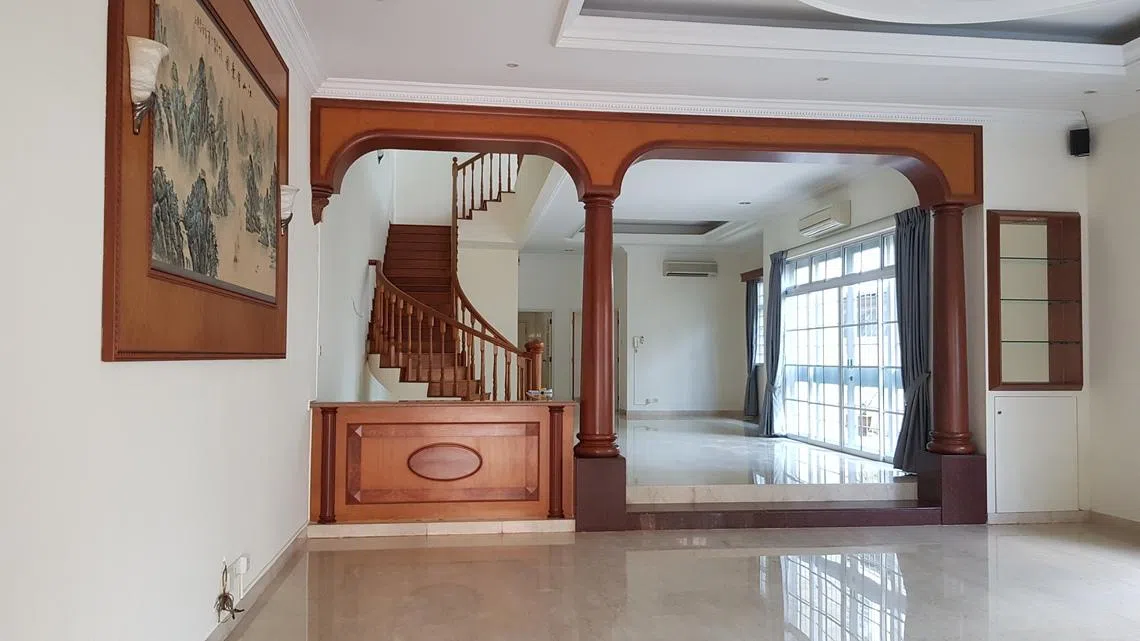
So instead of a tear-down, Pimenta used a “push and pull” method – moving internal walls to maximise light and ventilation, and swopping windows for large sliding doors while retaining and refurbishing the original marble floors, solid teak stairs and balustrade.
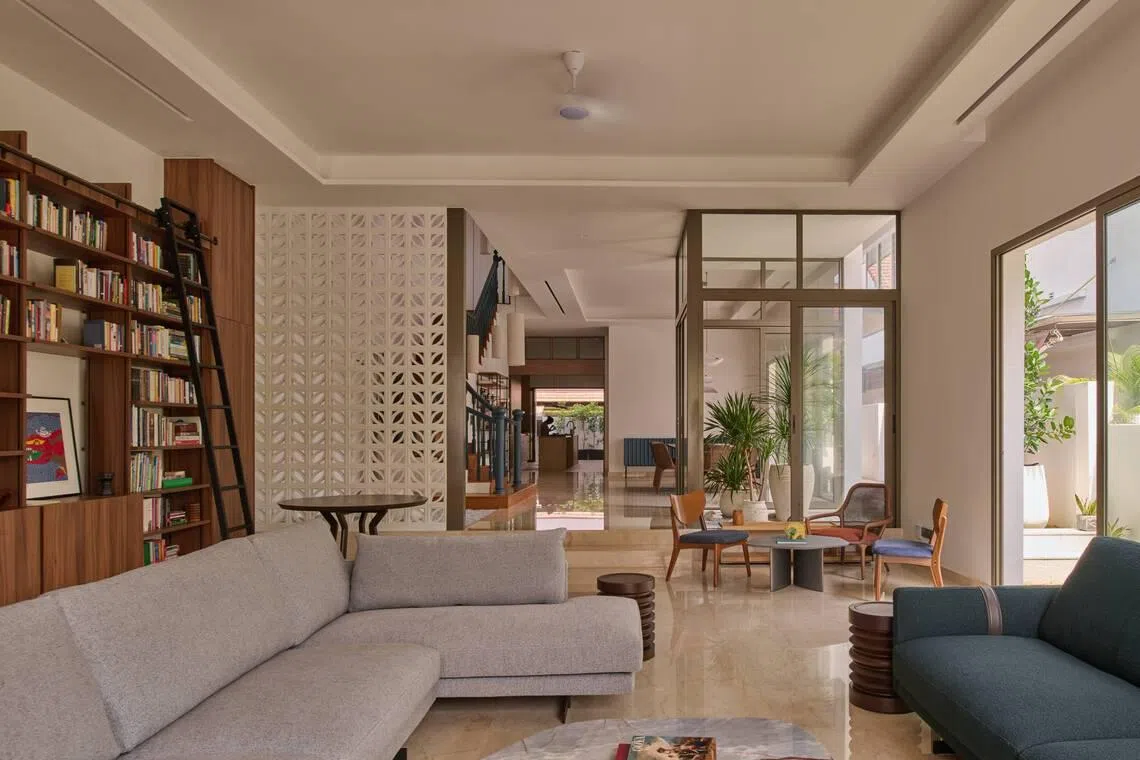
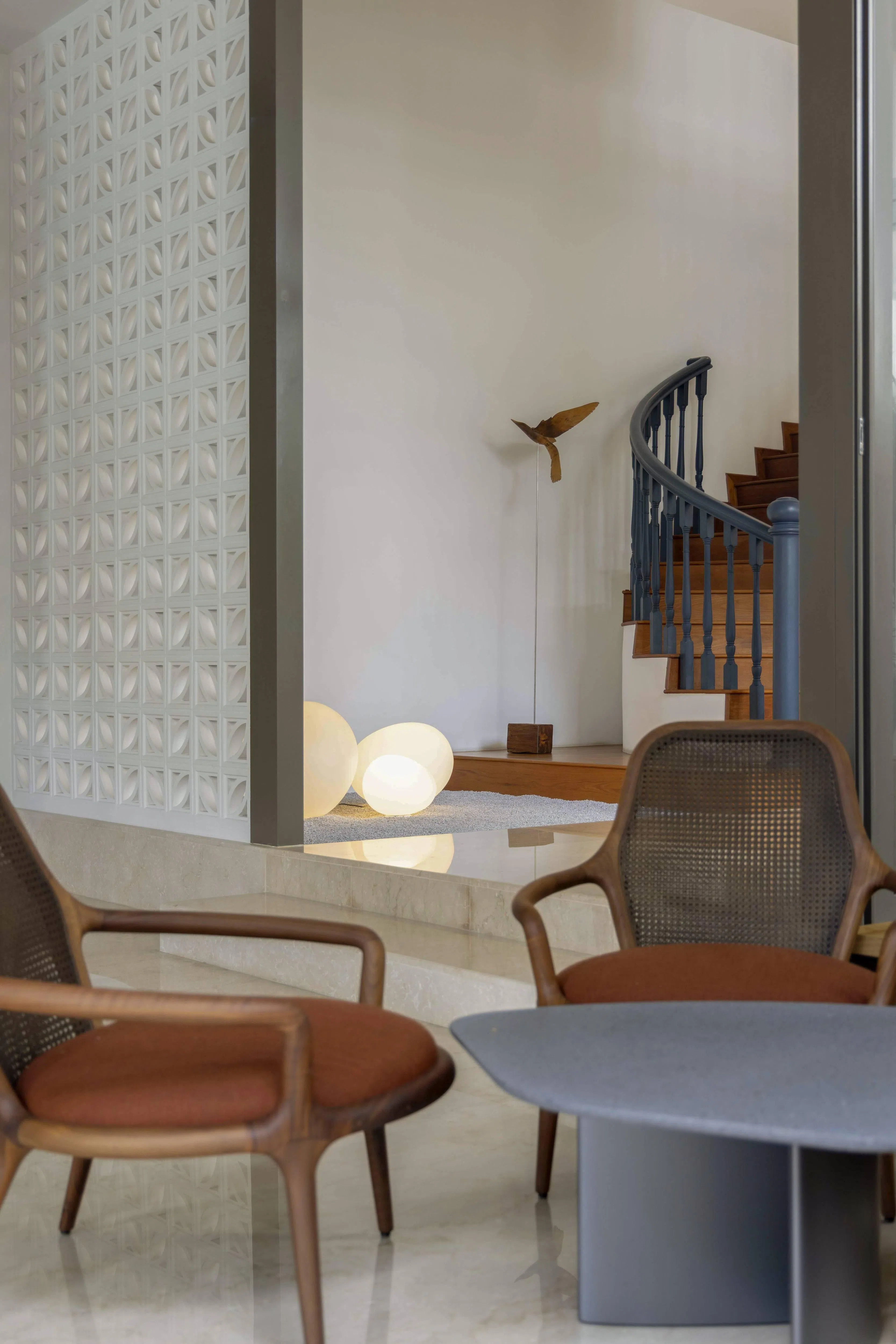
He also integrated a pair of courtyards into the house to connect the living and dining areas and act as extensions of the outdoor gardens. On one side is a Zen garden with Dracaena plants and on the other, a sensory pebble garden with a group of Foscarini Gregg lamps. The latter resemble rocks by day, and illuminate the courtyard at night.
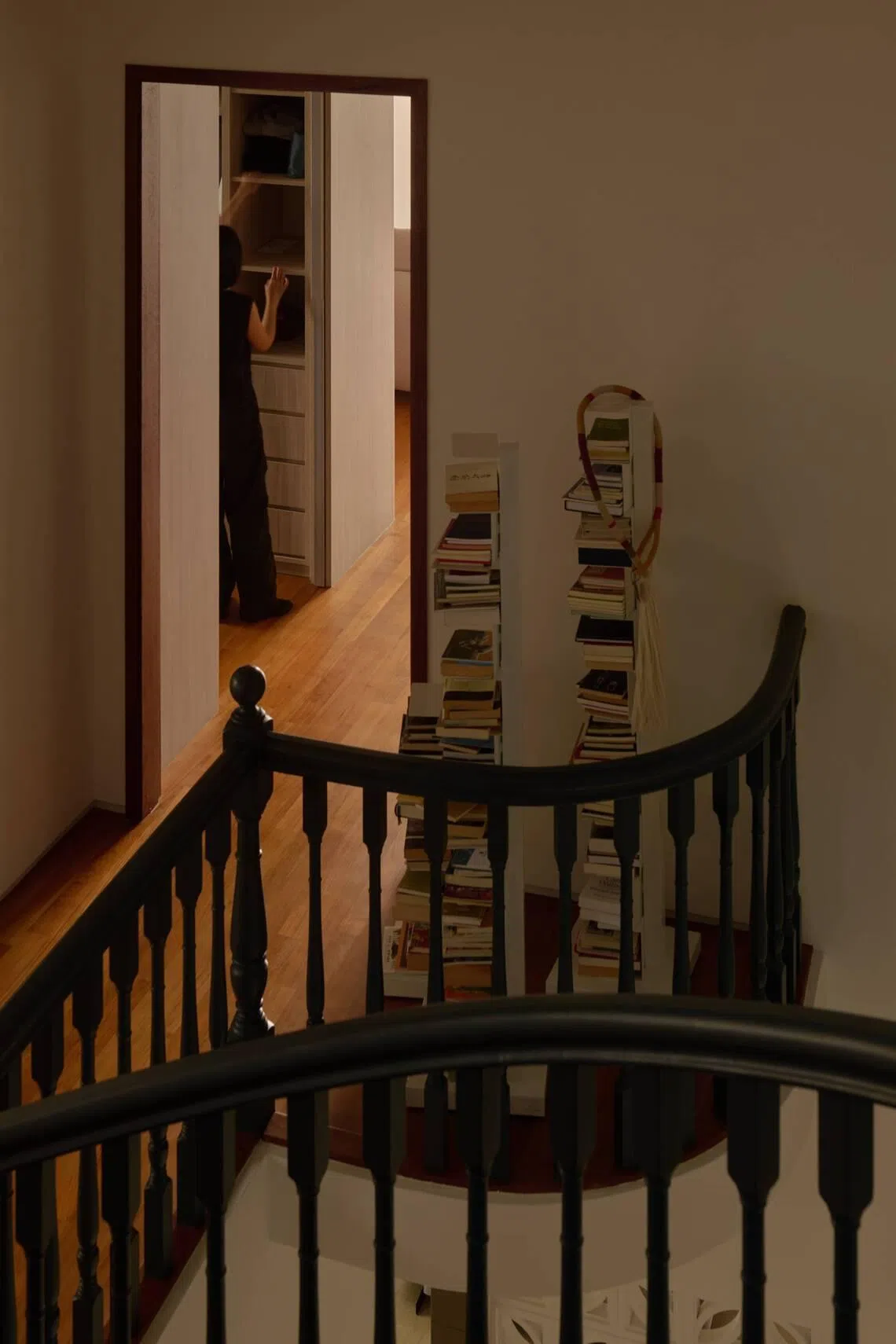
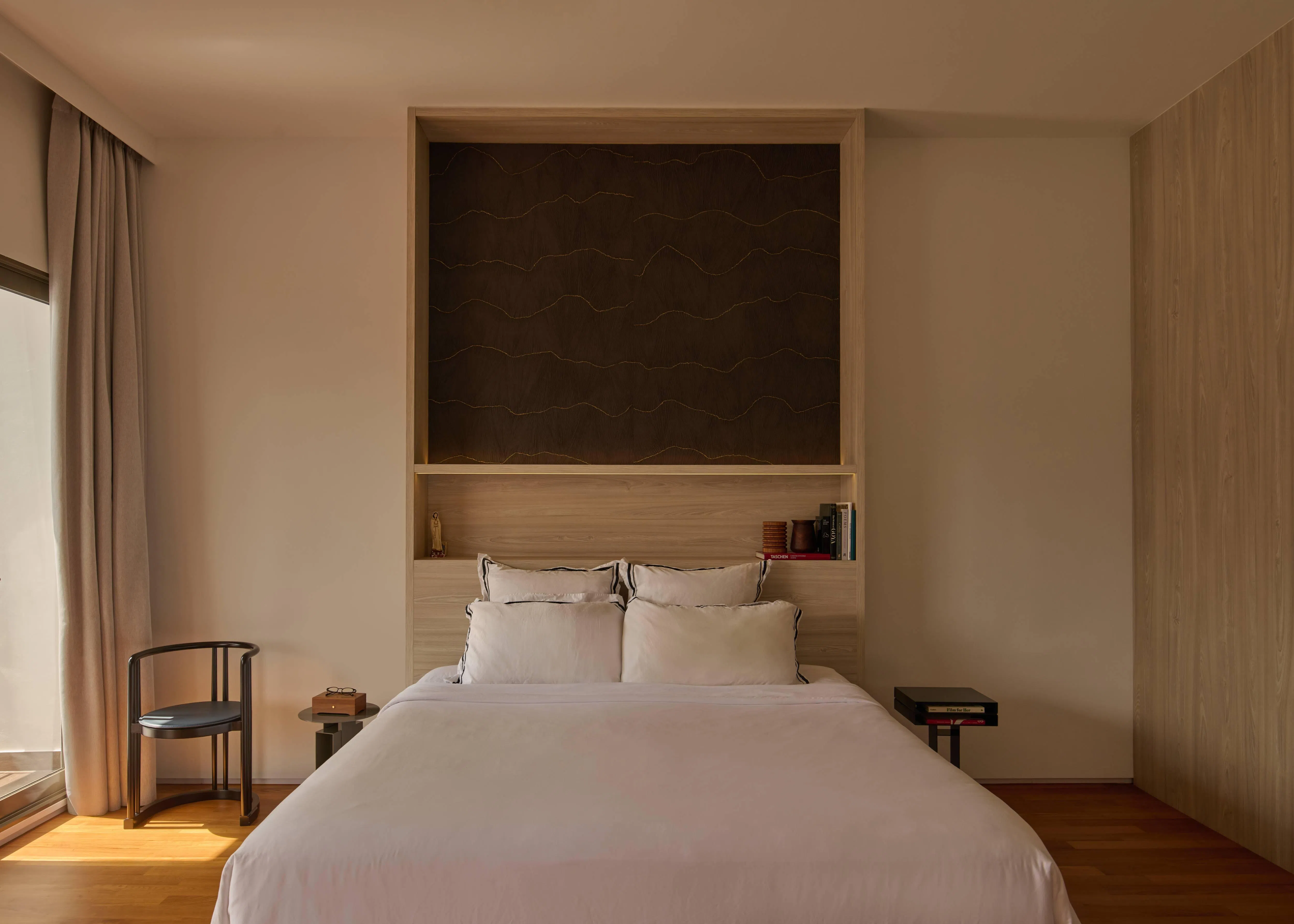
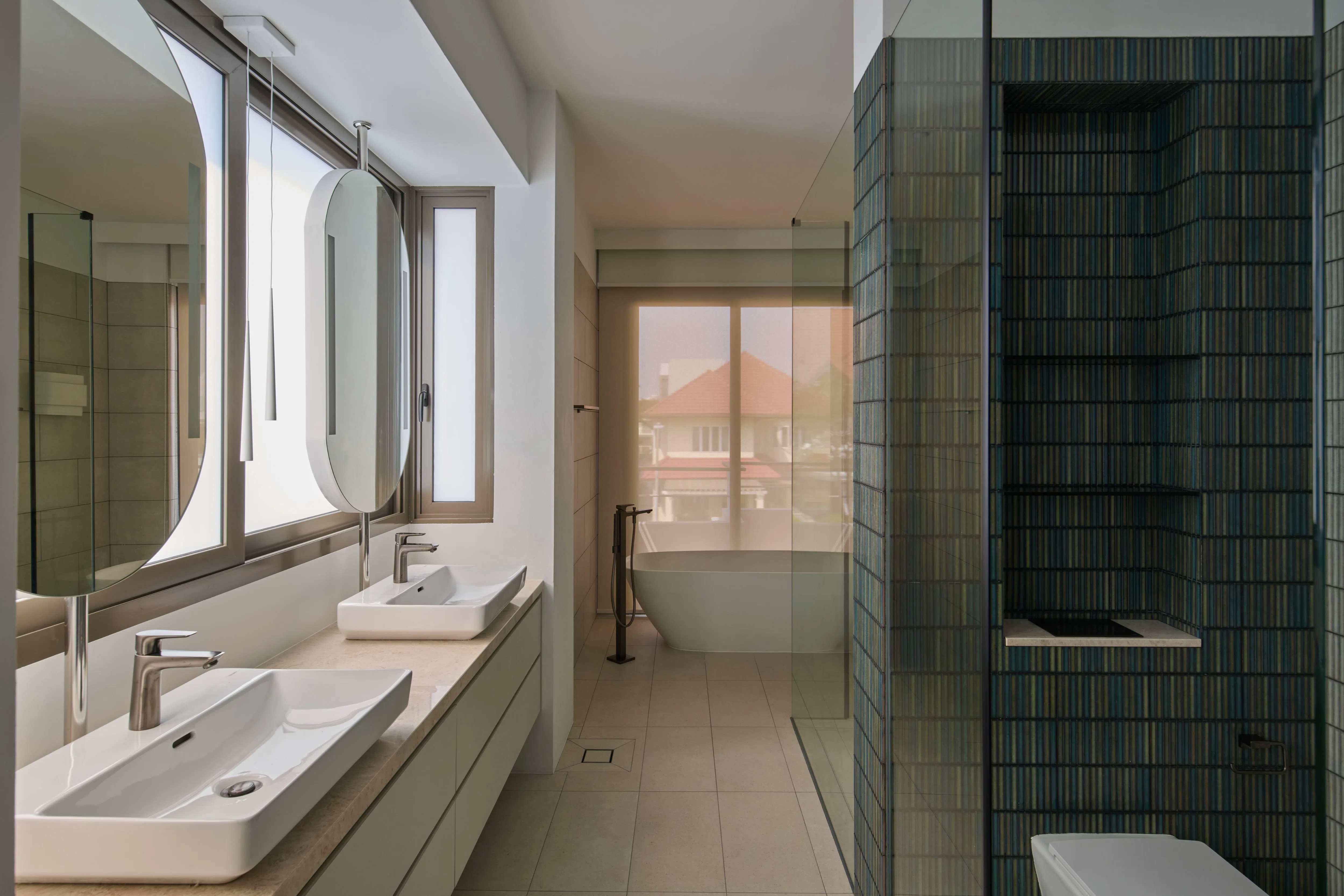
On the second floor, a little nook for books greets you as you enter what was once an oddly shaped master bedroom. It has been redesigned to include a walk-in wardrobe and a bright, enlarged ensuite with a standalone bathtub.


A bedroom next door was turned into a home office with new fluted glass sliding doors for light to penetrate the stairwell, while the adjacent family room offers a welcoming transitional space for relaxing with a book or watching television.
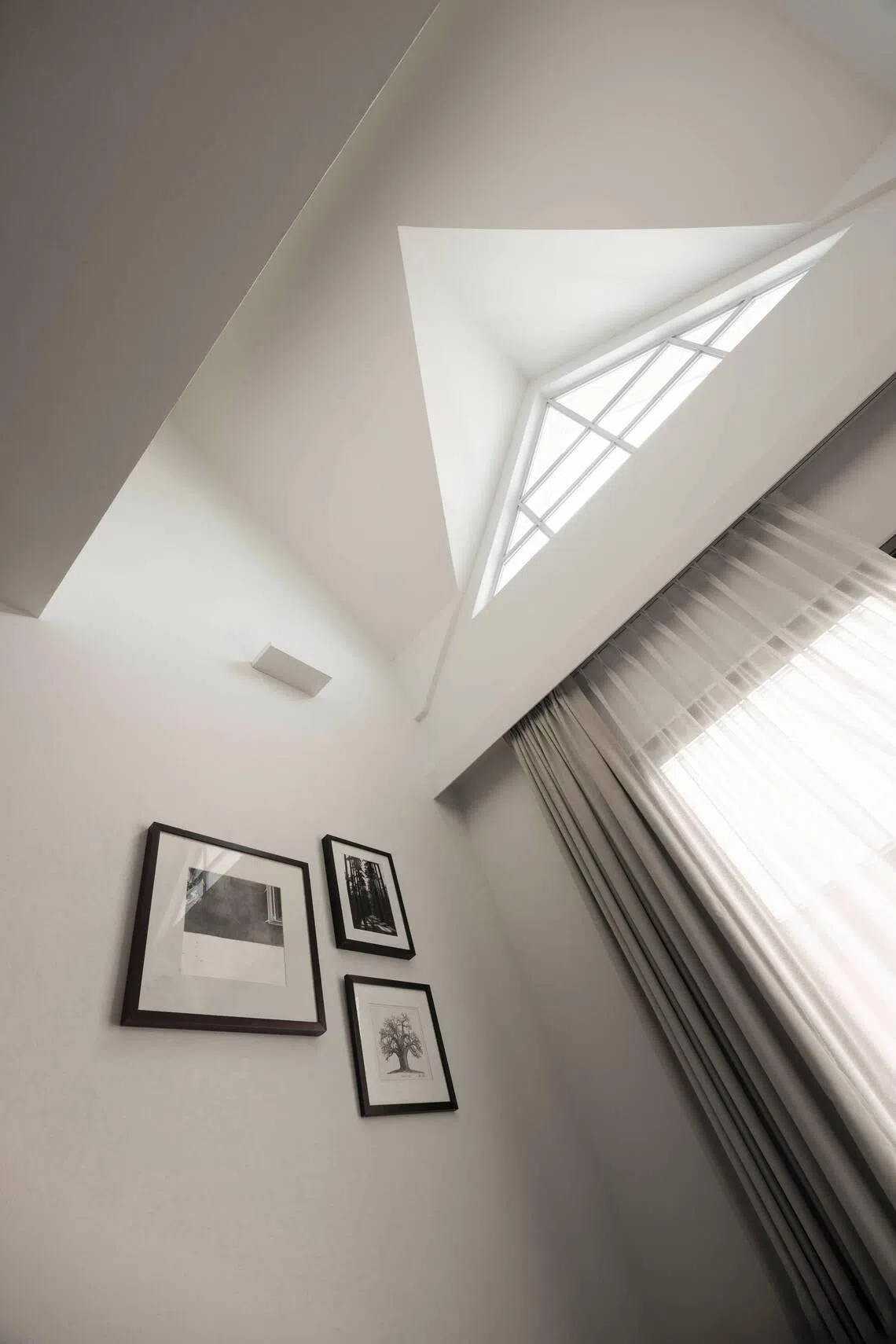
During reconstruction, there was even a pleasant discovery – a concealed attic space with an existing dormer window in the ceiling above the family area. Ceiling removed, a double height volume now exists in the area, flooding the space with natural light.
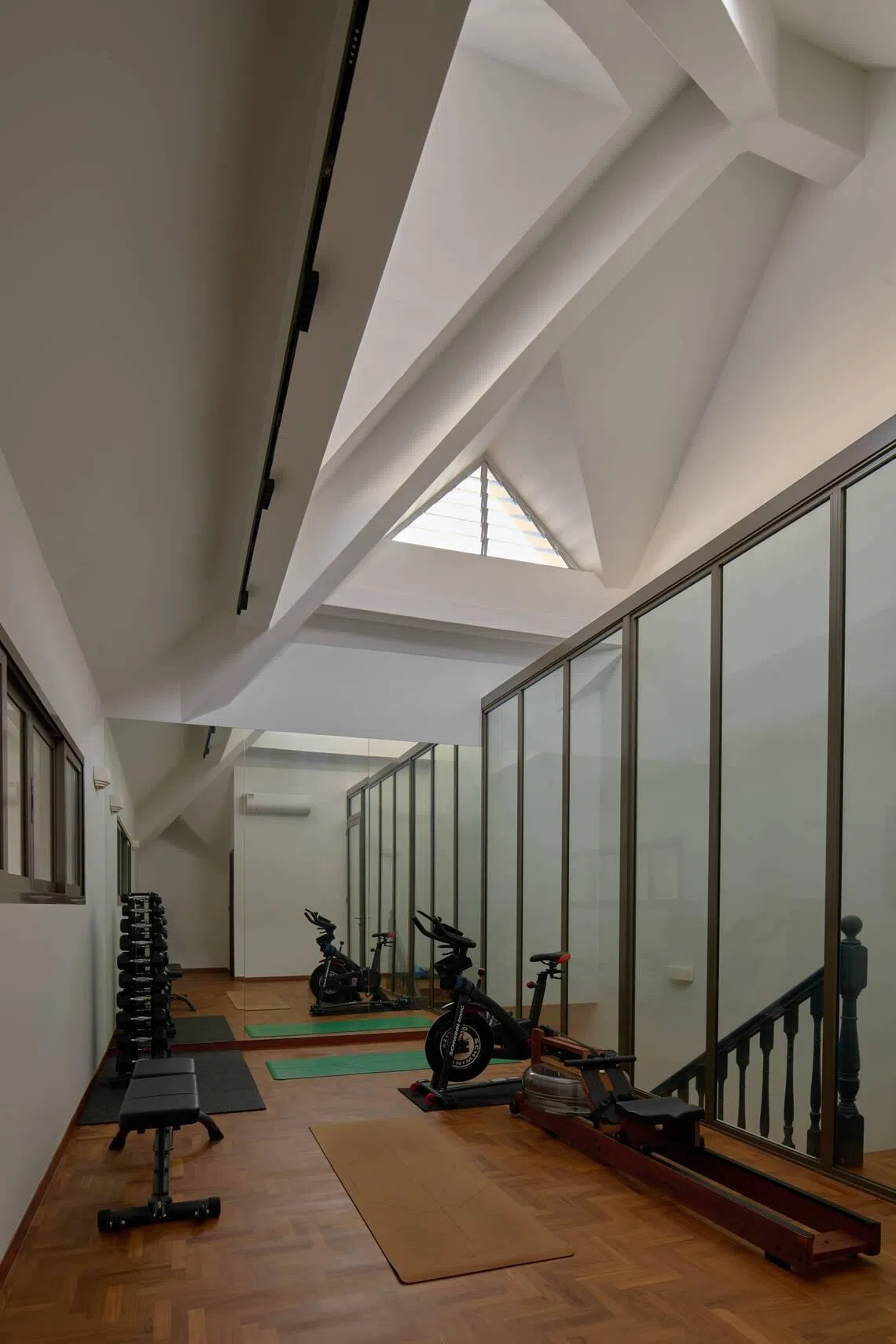
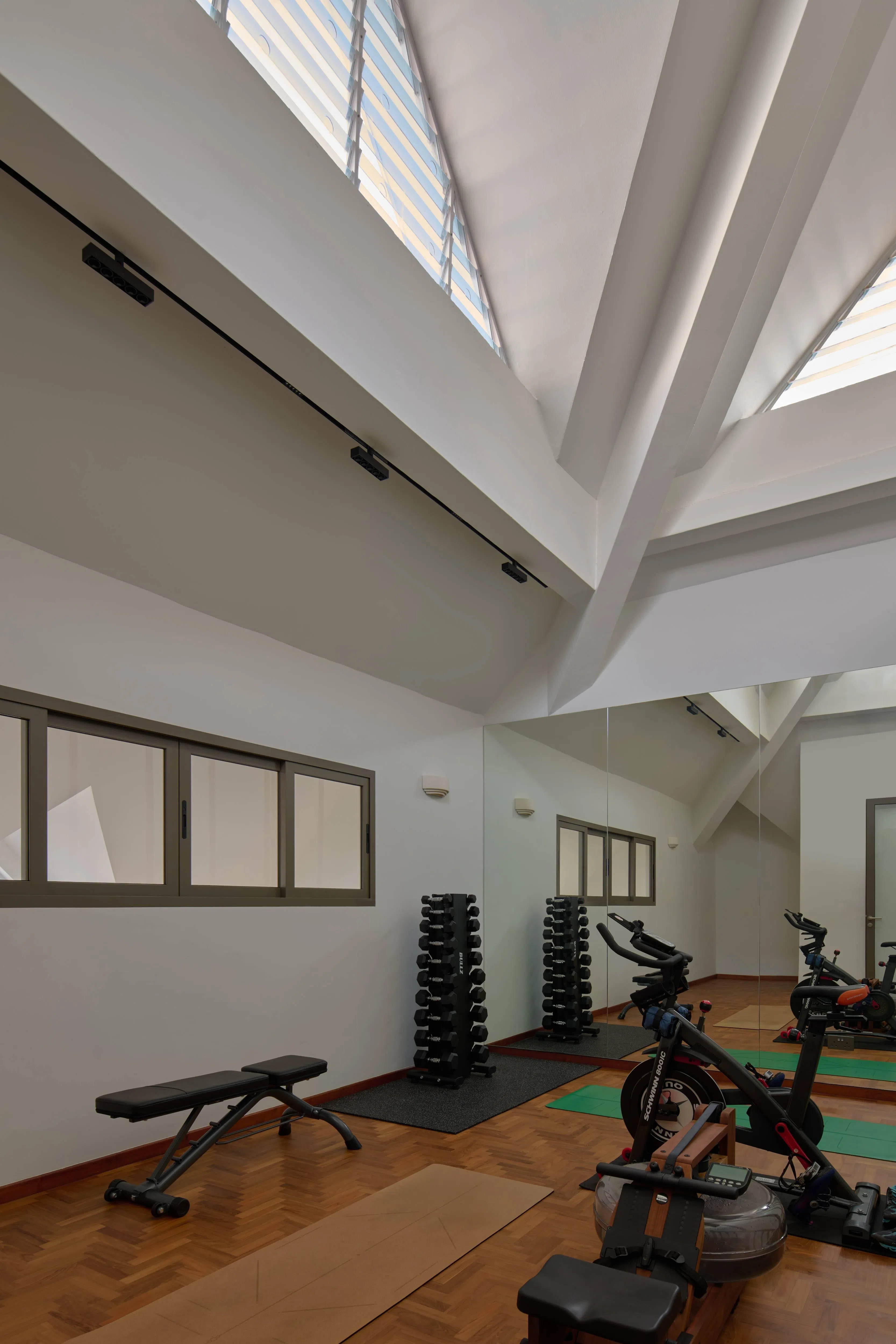
Meanwhile, the attic, which used to house a bedroom, was turned into a combined gym and yoga studio. New glazing replaced walls so the confined area doesn’t feel claustrophobic, while slit windows overlook the family area below and facilitate cross-ventilation.
An existing dormer, vaulted ceilings and clerestory windows were also preserved, giving it an almost cathedral-like feel.
Shall we samba?
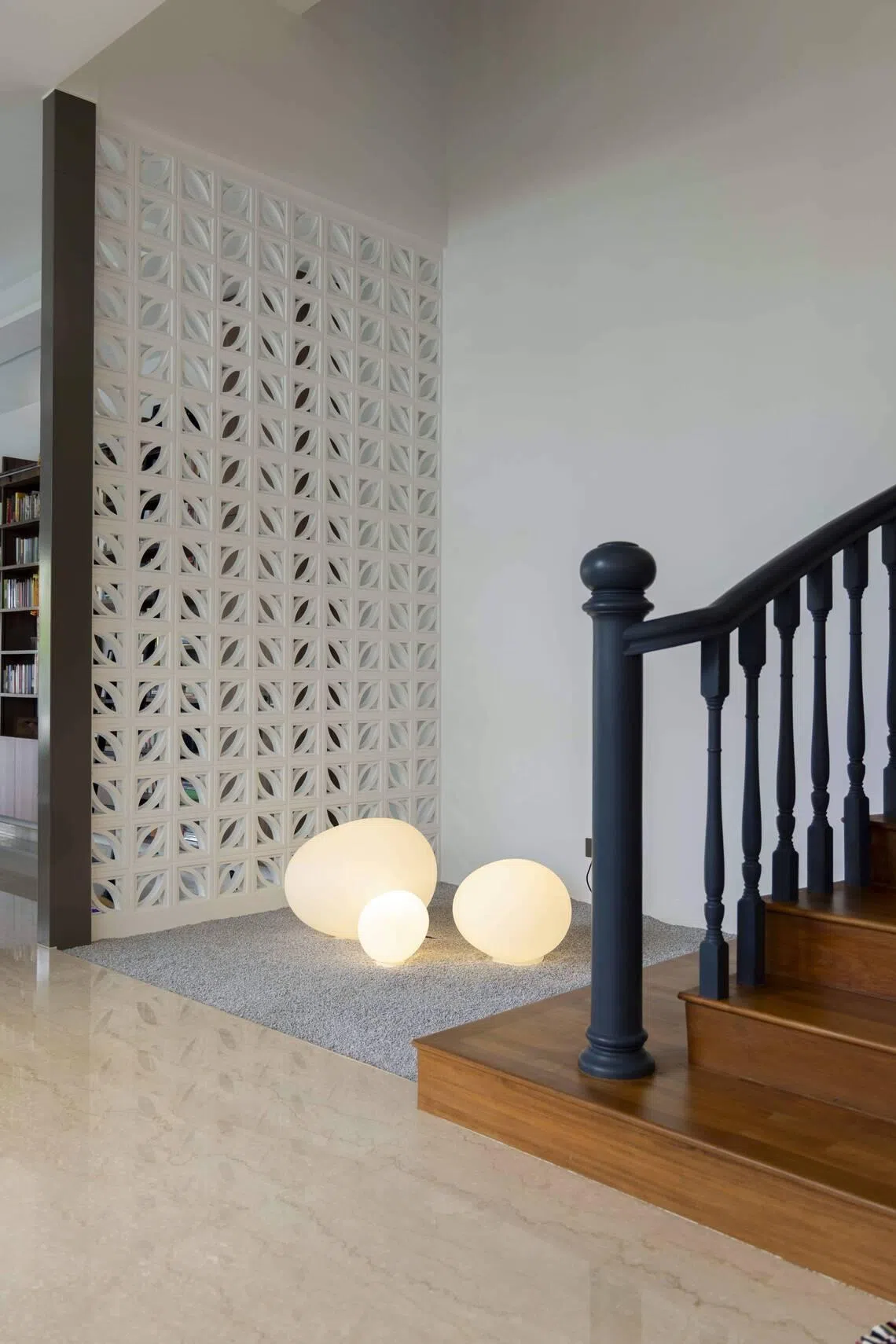
While Lim is concerned with the functional aspects of the home, her husband is more design-oriented, with elements of his roots and influence evident in the house.
Breeze blocks (known in Brazil as cobogo) – very important features in Brazilian architecture – are incorporated on the ground floor as a key design element and privacy shield for the stairs.
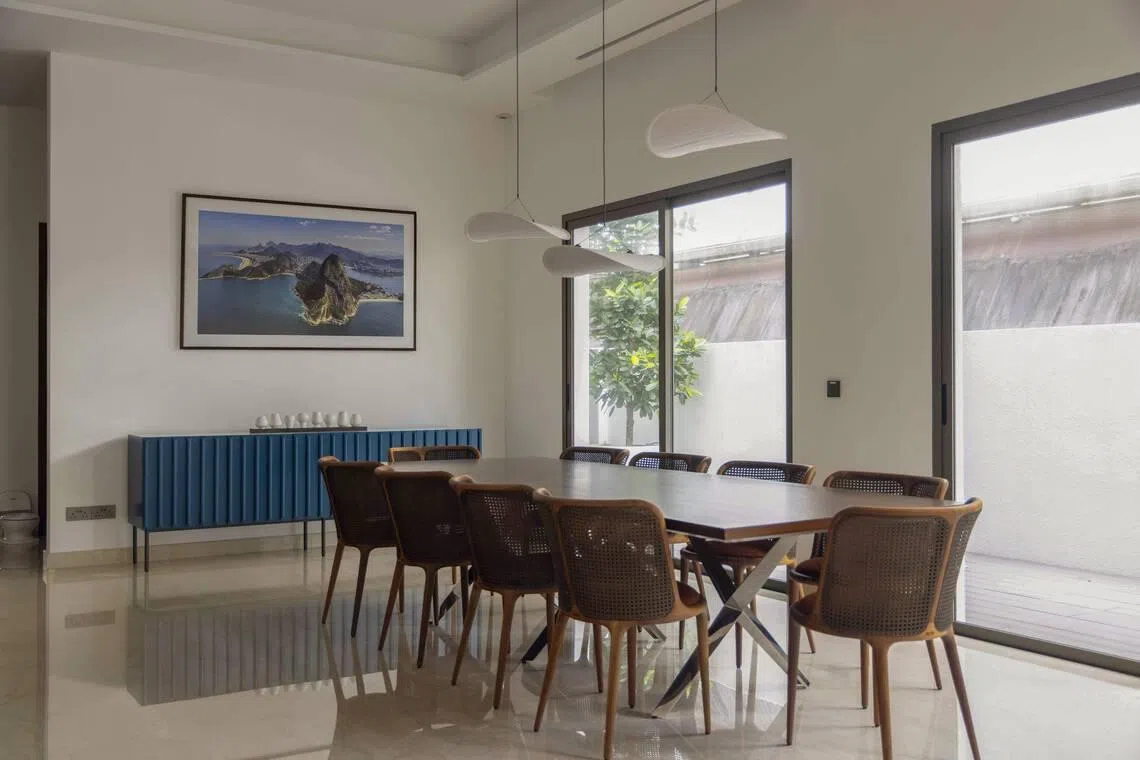
Among other things, he also brought with him a pair of chairs from a Brazilian designer and a wedding gift of a large photograph of his hometown, Rio de Janeiro – now serving as a focal point in the dining area.
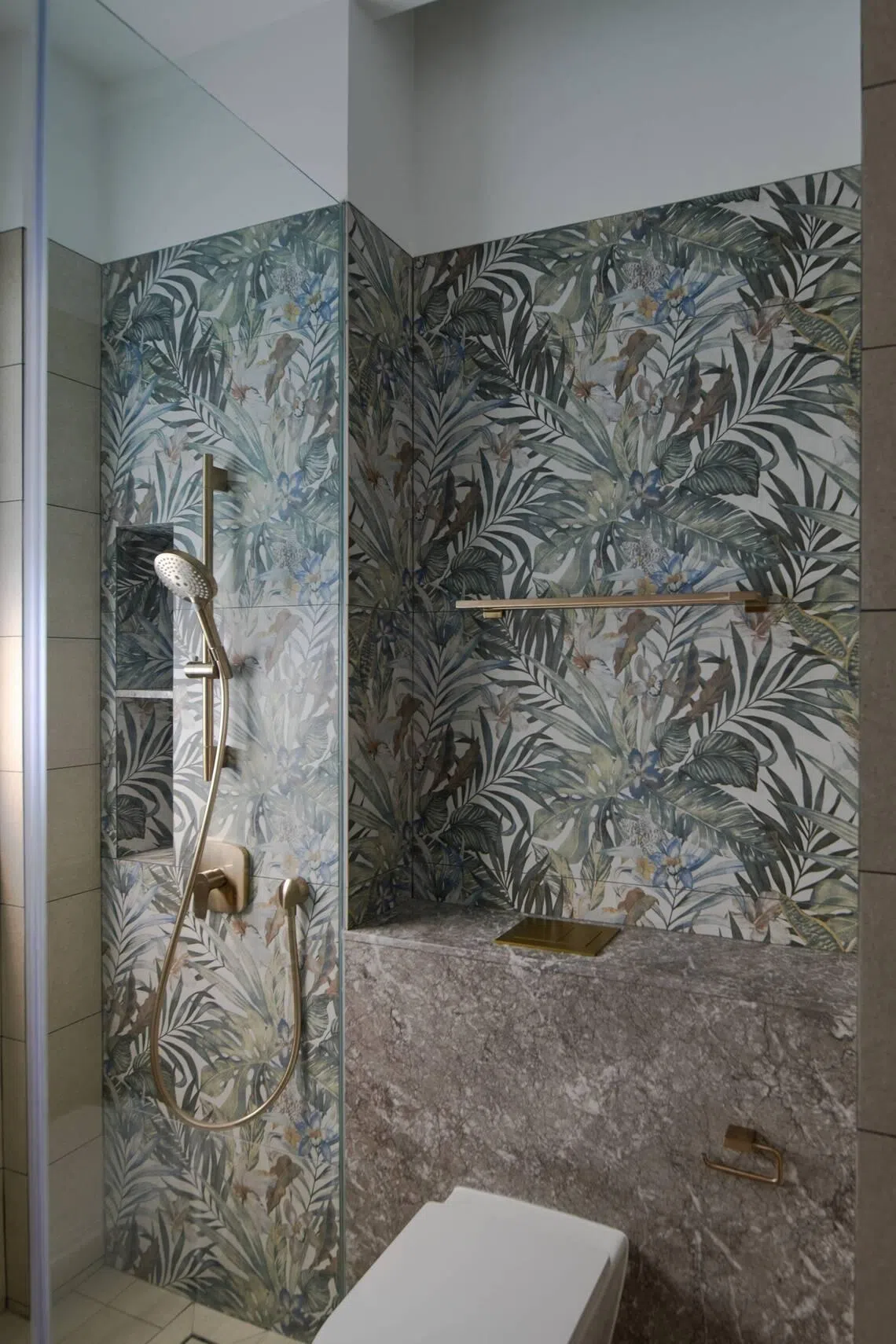
Meanwhile, decorative feature walls with jungle patterns in select bathrooms are reminiscent of Brazil’s tropical rainforest.
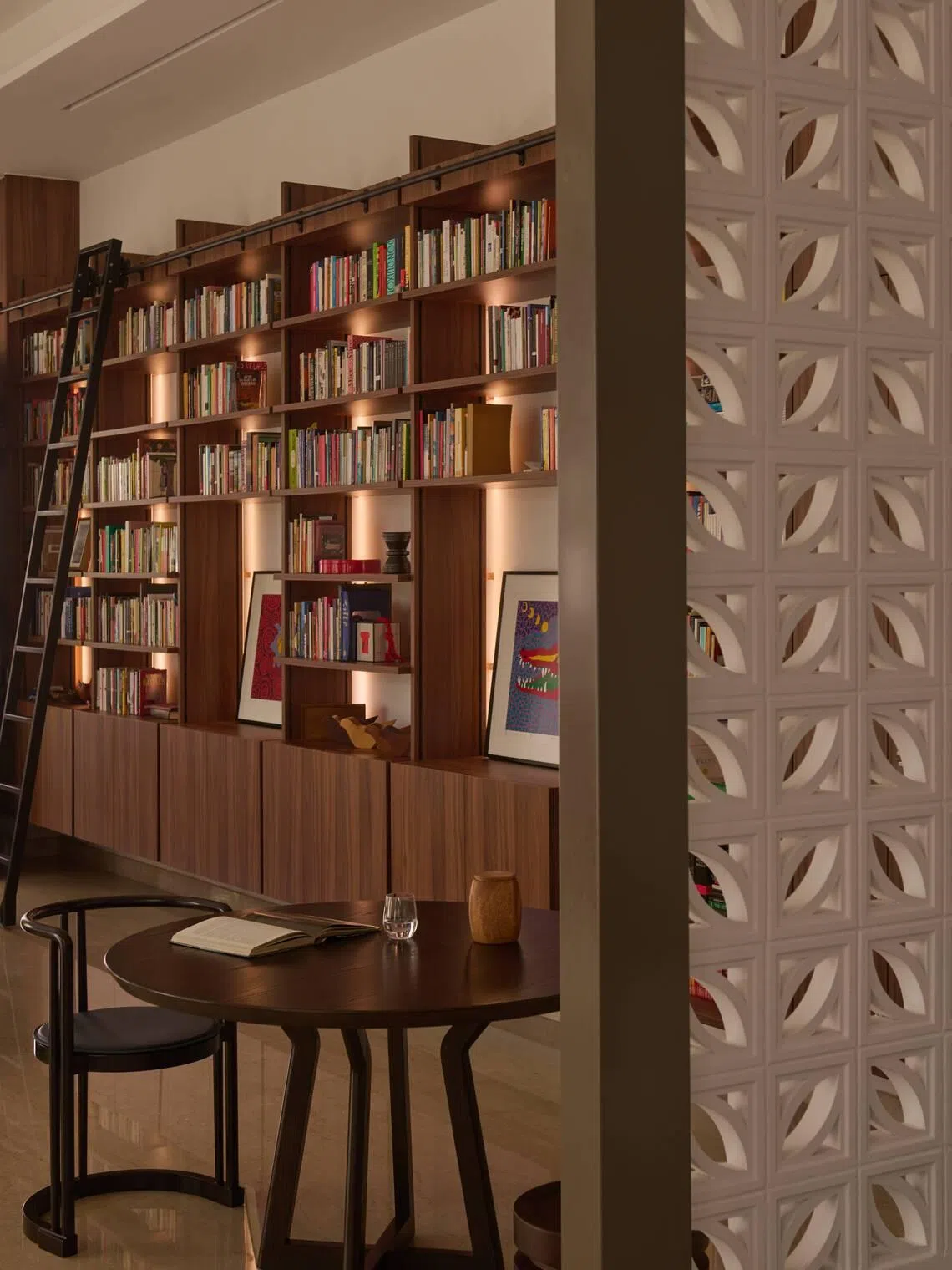
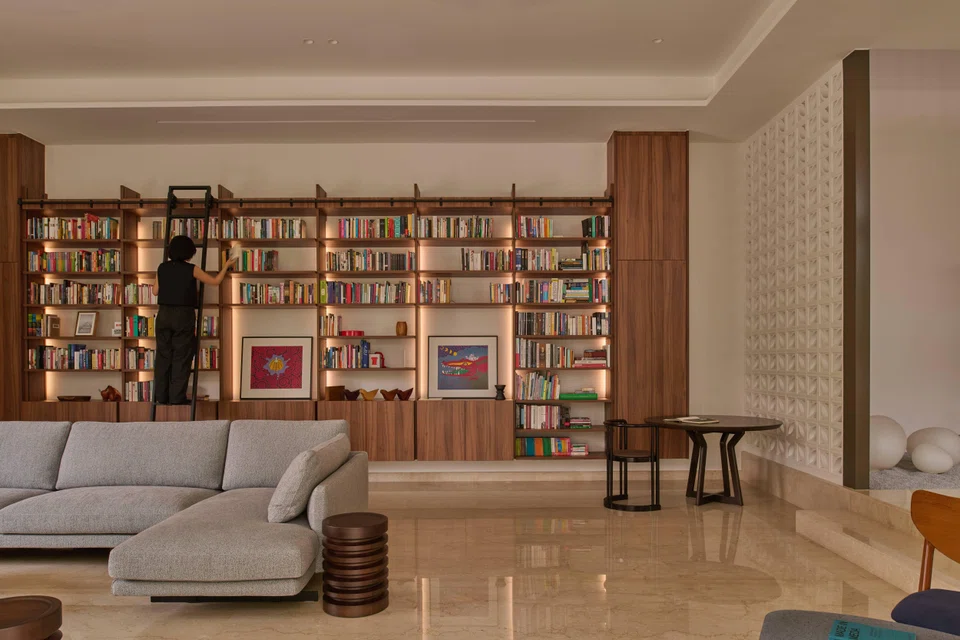
A striking feature of the home is a custom-built, double-volume bookshelf inspired by the Morgan Library & Museum in New York.
Designed by Pimenta’s atelier, Objkt Studio, not only does it display the couple’s vast book collection and a few of their art pieces, some of its lower shelves are dedicated to their toddler’s books, which are within his reach.
“As a kid, I used to look at my parents’ books, and I was like, ‘oh, these are very cool’,” recalls Lim’s husband. “I wanted a place for my collection of books and shelving for our son. I want him to read, see the ‘grown-up’ books and aspire to read them too.”
Meanwhile, whitewashed walls serve as a backdrop for their collection of art, sculpture and the home’s rich, dark-stained timber accents. Says Pimenta: “We documented all their artworks and sculptures so the walls are specifically designed to showcase them.”
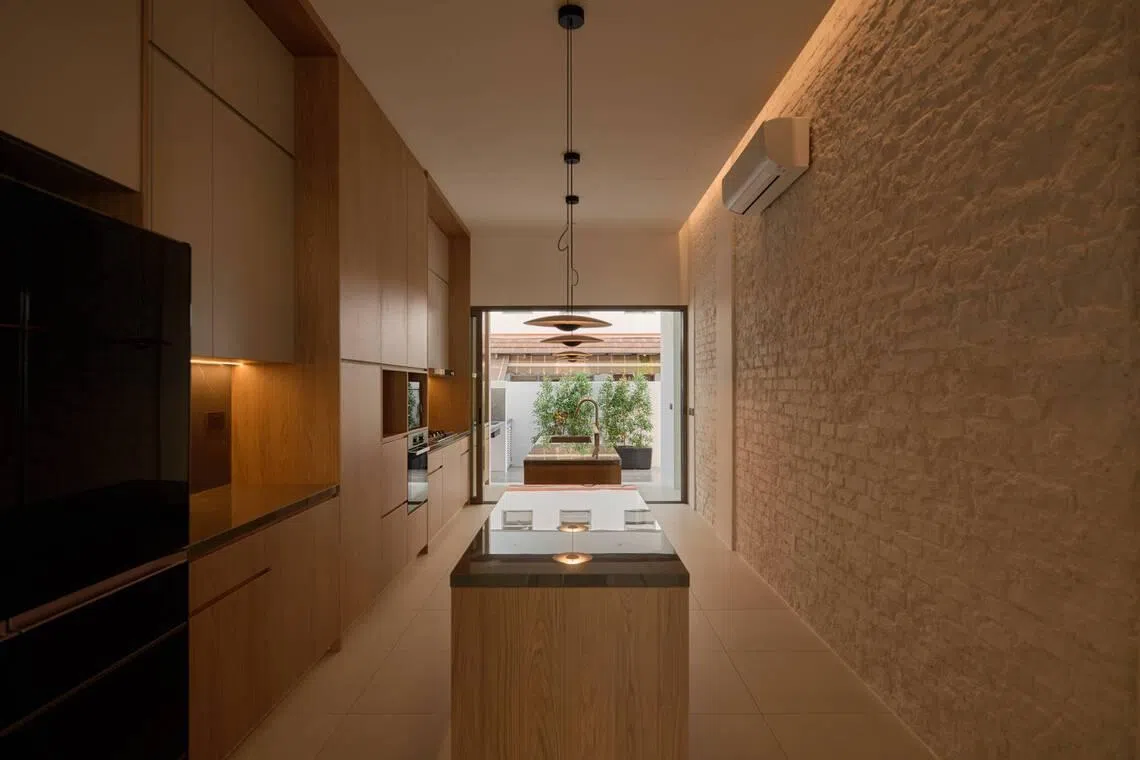
In the kitchen, the wall separating it from the yard was knocked down, resulting in an open plan layout integrating both dry and wet kitchen areas. The original plaster was also stripped from the walls to reveal exposed brickwork, giving the space a raw and intriguing edge.
Two islands were then crafted for distinct purposes – baking for Lim and cooking for her husband. He also insisted on a gas hob – essential for Brazilian cooking – instead of the induction option that she prefers.
Keeping it real
Eschewing “off-the-shelf” luxury furniture which the couple found overpriced, they leveraged Pimenta’s design expertise and connections to source custom pieces directly from overseas.
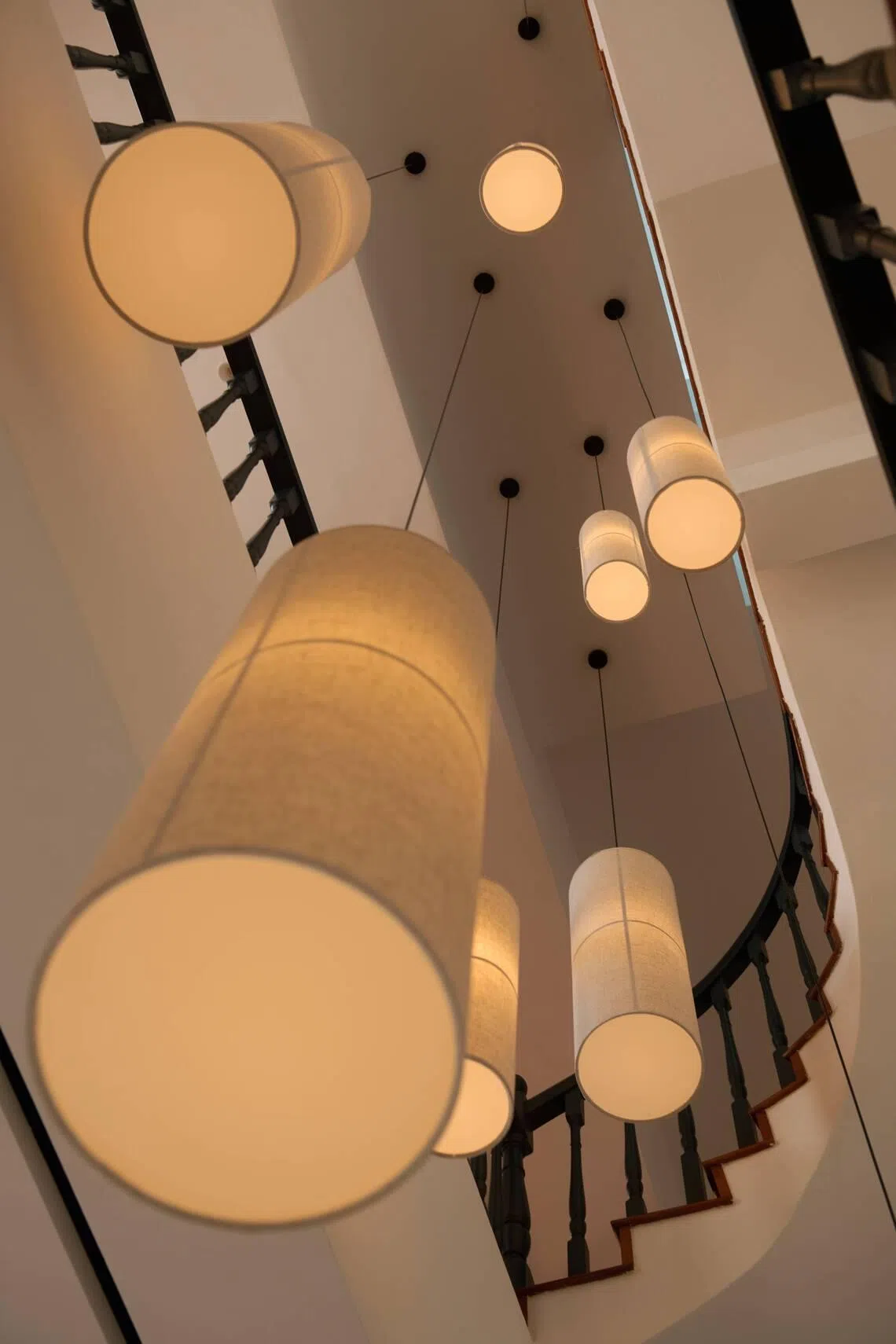
Their sofa, coffee tables, a set of armchairs and dining chairs were custom-made in Italy by Pimenta’s friend for “a fraction” of retail prices here. The 10-piece stairwell pendant lights were designed by their lighting designer and manufactured in Malaysia.
Objkt Studio then designed the dining table, credenza and side tables/stools.
Mixing custom designer pieces with local finds such as a blue and white ceramic stool from Singapore’s Thow Kwang Pottery Jungle creates a home that feels curated. “Then it becomes more interesting,” says the husband.
Indeed, interesting is also how you could describe their life in the Siglap area that Lim loves so much.
Their neighbours include friendly aunties who discuss toilet paper deals snagged at the supermarket and uncles who share fruit from their garden. Most of all, they’re warm and welcoming, with the family often invited over and their son doted upon.
No Crazy Rich Asians? No problem.
Decoding Asia newsletter: your guide to navigating Asia in a new global order. Sign up here to get Decoding Asia newsletter. Delivered to your inbox. Free.
Copyright SPH Media. All rights reserved.

