

Fascinating new book surveys 125 years of Singapore cinema
Raphael Millet’s sweeping account traces the country on screen, from colonial newsreels to global acclaim

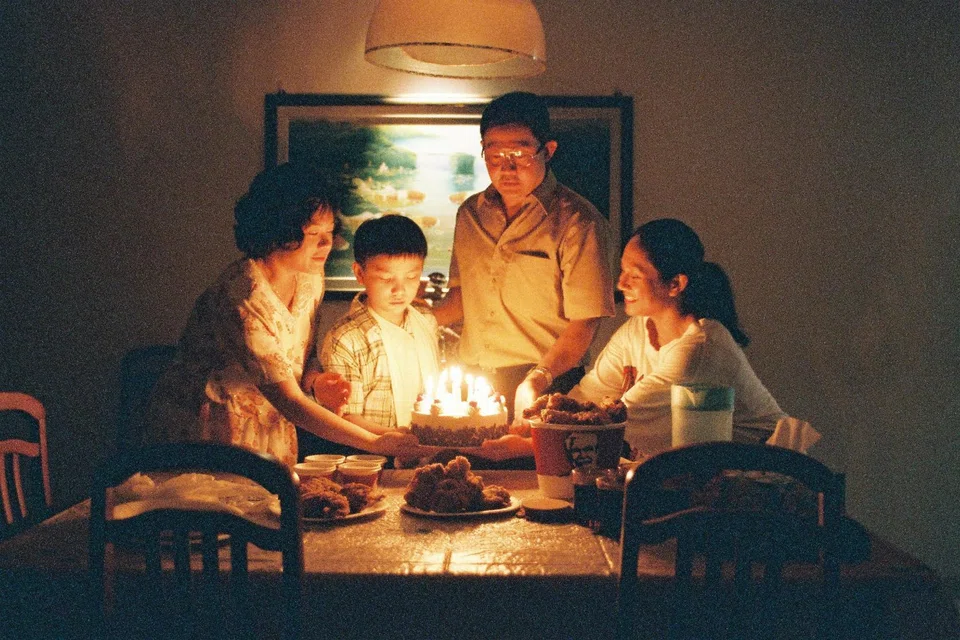
[SINGAPORE] The most ambitious and wide-ranging book on Singapore cinema is here. Singapore: A Cinematic Portrait is a 528-page survey of more than 500 films spanning 125 years.
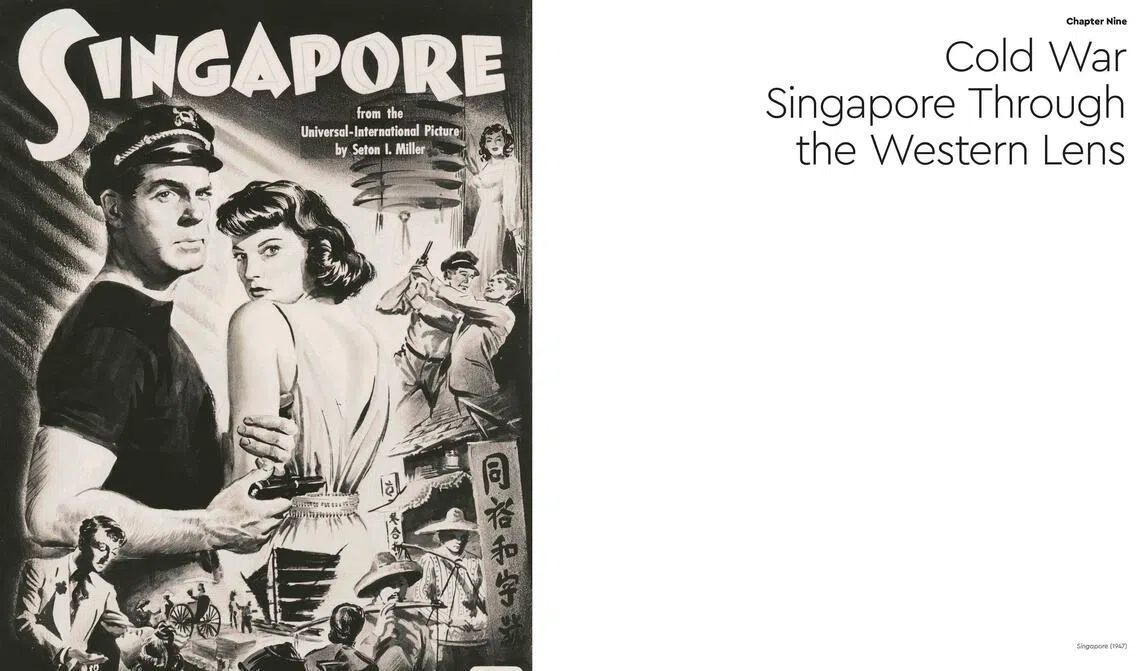
It moves from the newsreels of the early 1900s to Hollywood’s exoticised visions of Singapore in the 1930s, the golden age of Malay cinema in the 1950s and 1960s, and the recent international successes of Anthony Chen, Yeo Siew Hua and others.
The book is written by Raphael Millet, a French film scholar married to a Singaporean. He has lived and worked intermittently in Singapore since 2002.
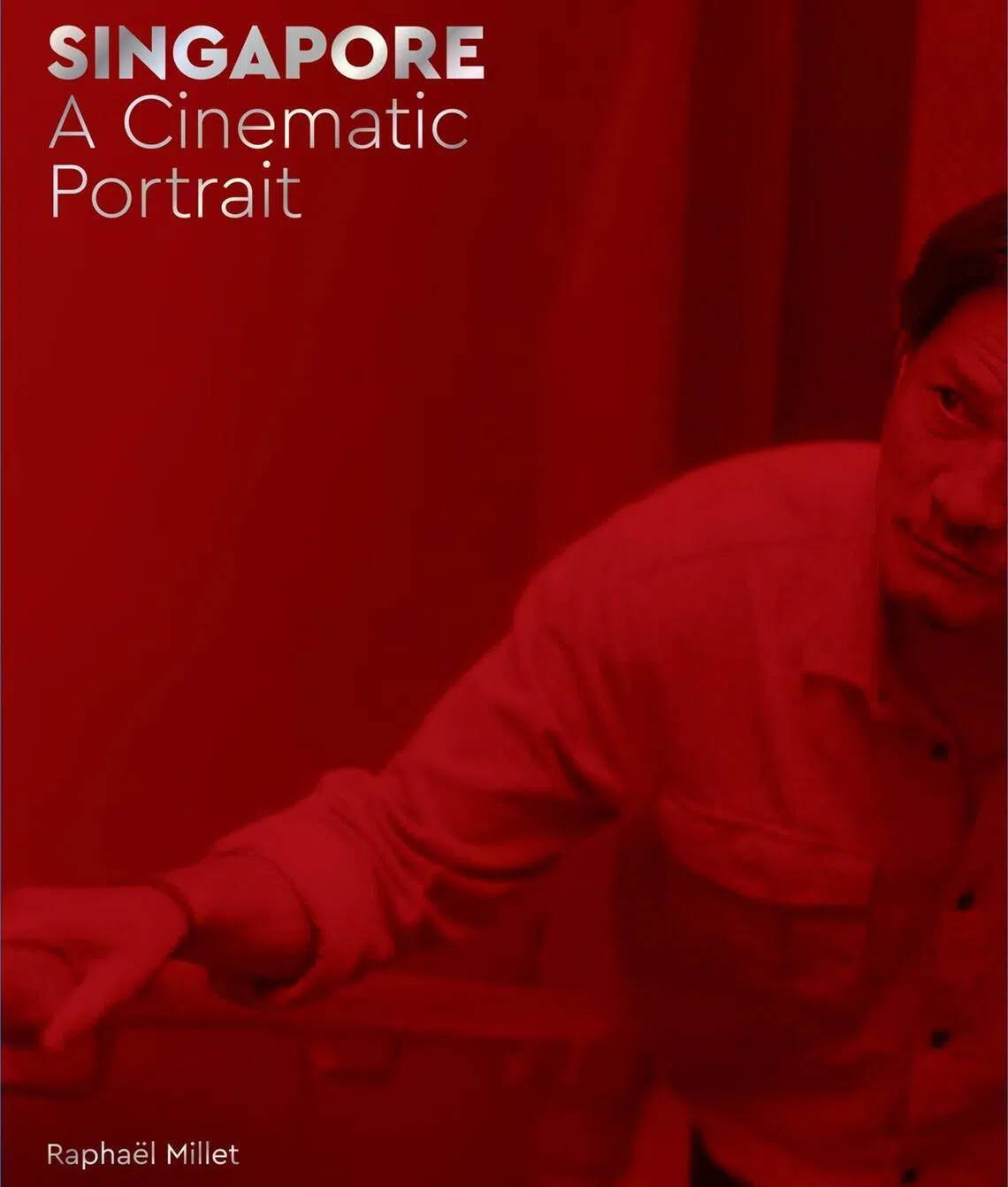
Previously, Millet published two shorter books on the subject of Singapore film.
However, Singapore: A Cinematic Portrait dwarfs those earlier efforts, bringing together decades of research in what is arguably the most extensive account of Singapore’s cinematic history yet published.
“I researched and watched, or rewatched, well over 700 Singaporean and Singapore-related films of all genres and formats (such as features, shorts, documentaries, fiction and experimental works, but not animation) produced between 1900 and 2025 to write the book,” Millet tells The Business Times.
Cinema before independence
Historians often regard the 1950s and 1960s as the peak of Singapore’s cinematic golden age, when the island became the regional centre of Malay-language film-making.
Back then, local studios Shaw Brothers and Cathay-Keris operated large sound stages and employed permanent teams of technicians, directors, writers and contracted stars, including P Ramlee, Maria Menado and Zaiton.
Although the films were in Malay, their production was distinctly Singaporean, even before Singapore became an independent nation.

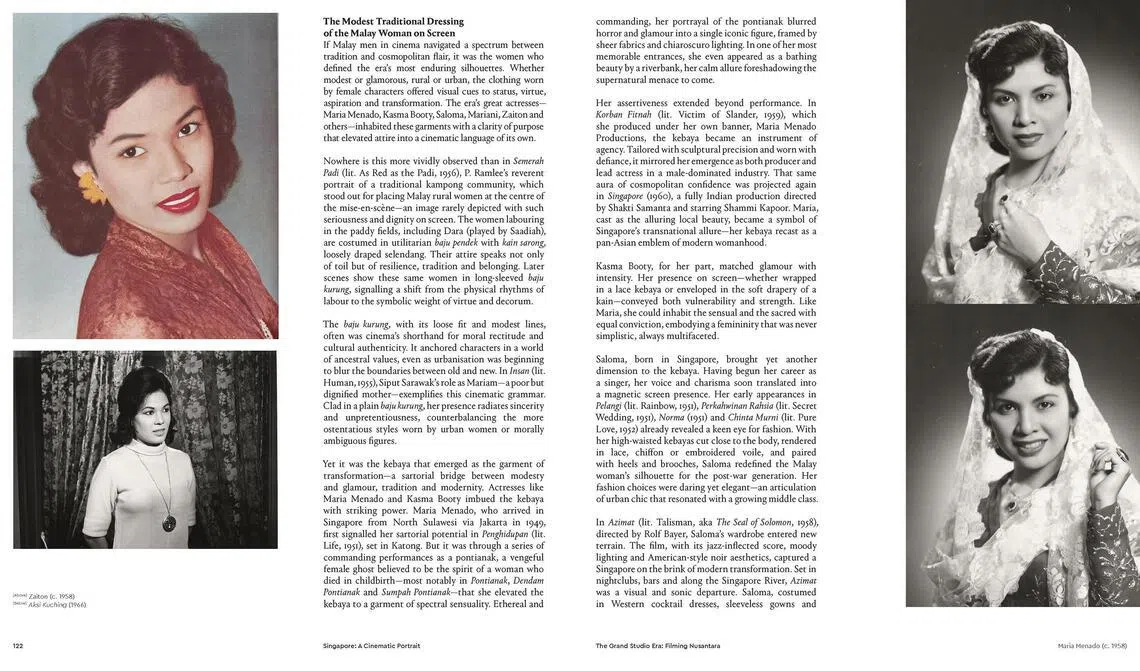
They were typically directed by Indian film-makers, financed by Chinese producers, and written and performed by Malay artistes.
Millet, however, challenges this paradigm, reframing the era as one that encompassed both Nusantara-themed films – which draw on the cultures and mythologies of the wider Malay archipelago – and Nanyang-themed films that explore the experiences and identities of the Chinese diaspora in Singapore.
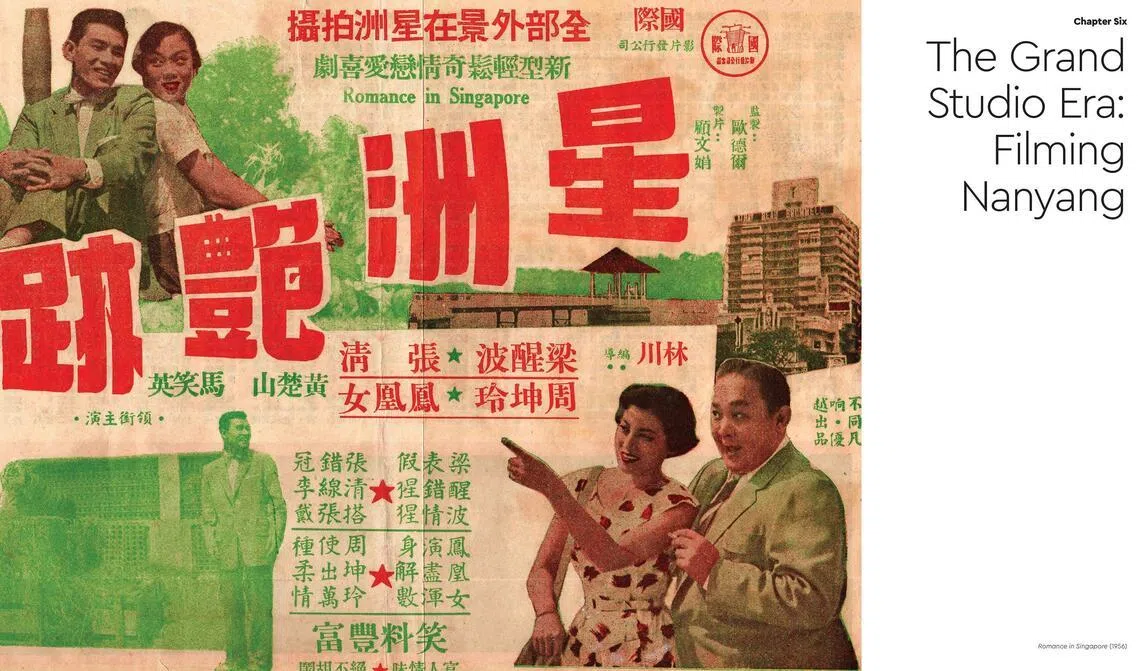
He also devotes a chapter to Singapore, a rarely discussed 1960 Hindi-language movie by Indian film-maker Shakti Samanta, and sheds light on the overlooked film-maker Rajendra Gour.
What emerges is not a neat, self-contained discussion of national cinema, but an analysis of the porous and multilingual film culture shaped by migration, commerce and the overlapping identities of different communities.
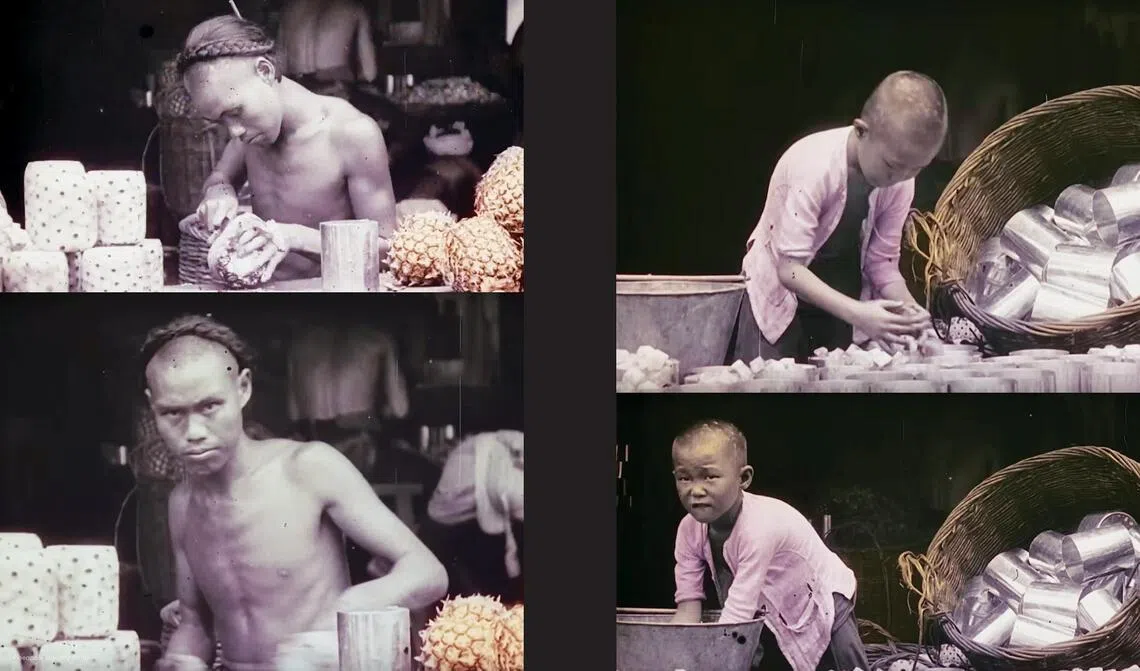
“My focus is first and foremost on the films themselves, and how they collectively portray Singapore, like fragments of an ever-evolving mosaic,” says Millet.
“My hope is that readers will come away with a fresh perspective on Singapore, as seen through the lenses of the many film-makers – Singaporean and international alike – who have captured, documented, interpreted, reimagined and even fantasised (about) the island nation over 125 years.”
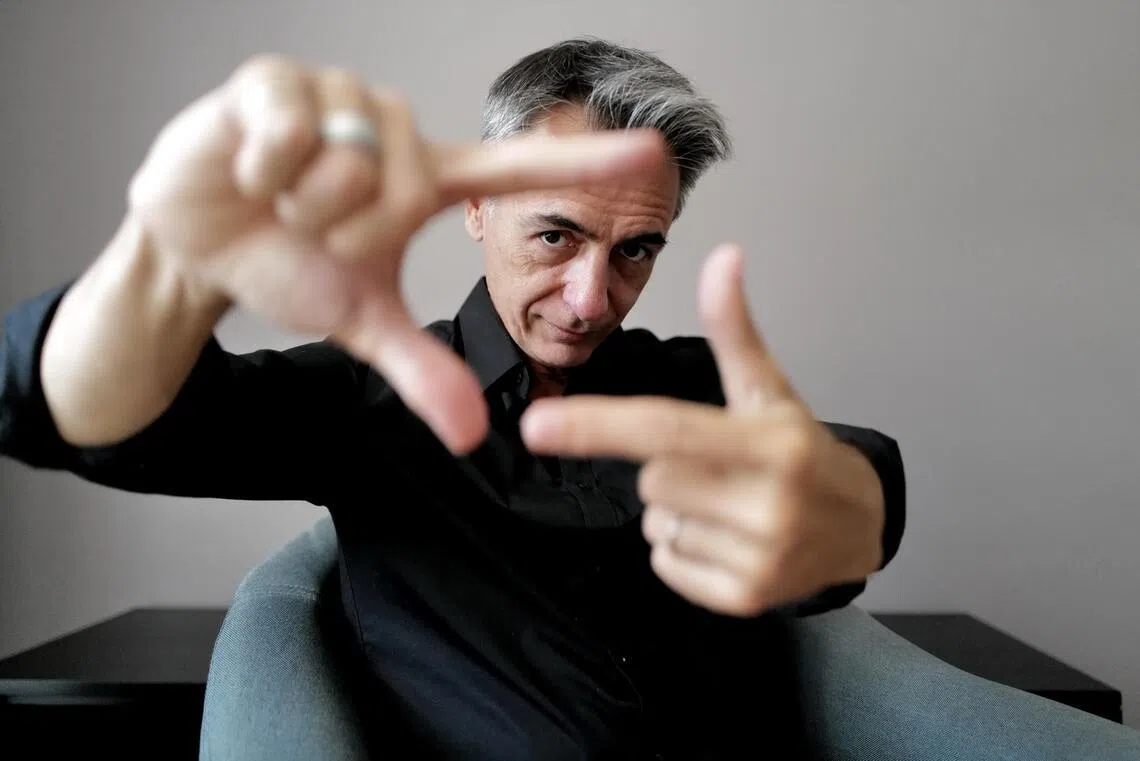
Millet drew on Singapore’s Asian Film Archive (which also published the book), the Hong Kong Film Archive and, in cases where films no longer exist, newspaper reviews, handbills and production records.
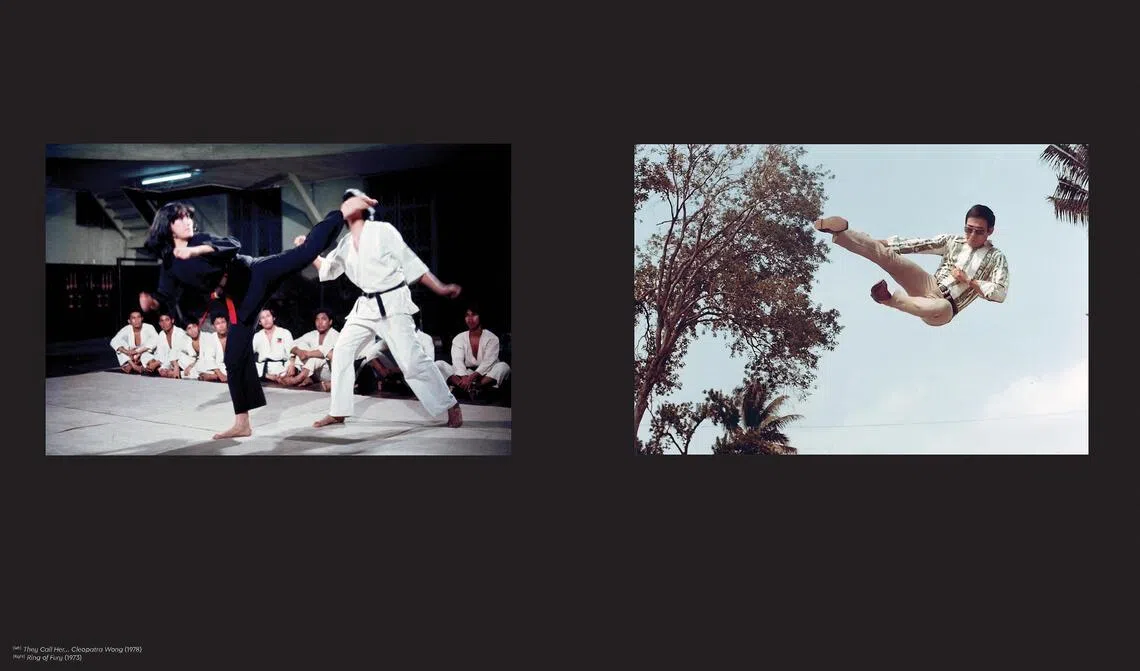
The book boasts some 505 illustrations, including rare photographs and posters.
Filming what we’ve lost
In his analysis, Millet writes that many contemporary Singapore films share two recurring sensibilities: melancholia and nostalgia.
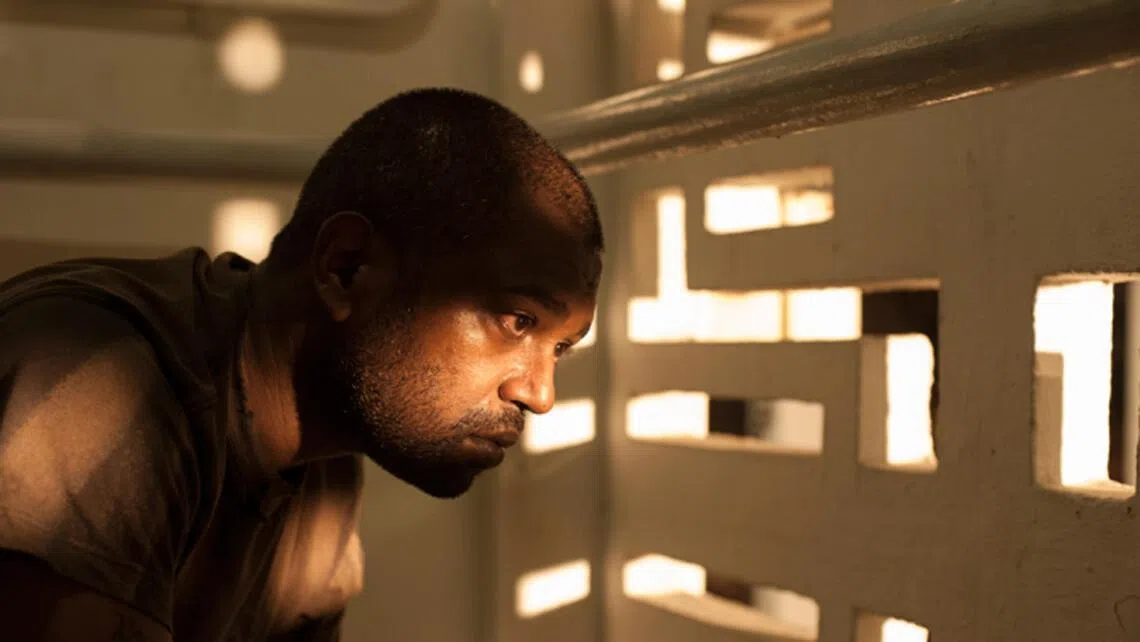
Melancholia pervades the work of directors including Eric Khoo’s 12 Storeys, Kelvin Tong’s Eating Air, K Rajagopal’s A Yellow Bird, Djinn’s Perth, Royston Tan’s 4:30, Boo Junfeng’s Apprentice, Yeo Siew Hua’s A Land Imagined and Tan Pin Pin’s various short films.
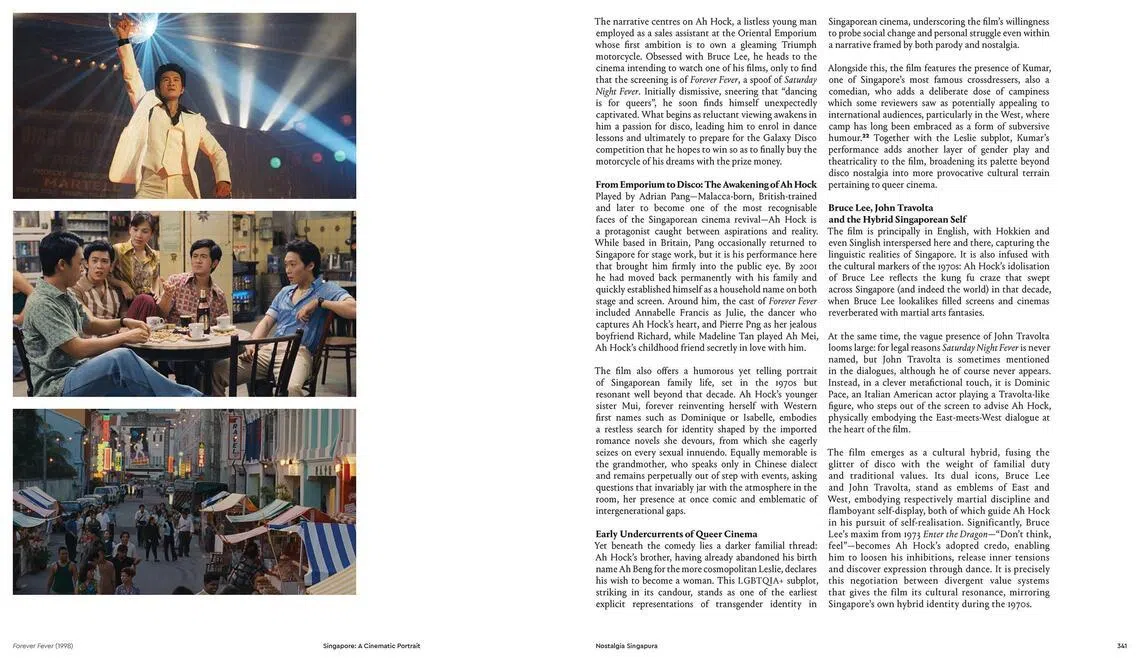
Nostalgia, meanwhile, is evident in many films that hark back to the past, including Glenn Goei’s Forever Fever and Revenge of the Pontianak, Jack Neo’s Homerun, Royston Tan’s 881 and Tong’s It’s a Great, Great World.
“Singapore’s pace of transformation is quite extraordinary,” notes Millet. “Few countries have changed so profoundly within the span of a single lifetime, and in such a compact geographical space.”
Melancholia and nostalgia, he says, are natural responses to this constant transformation.
“It is therefore not surprising that, particularly from the 1990s onwards, cinema has become a powerful medium for recording what has disappeared, mourning what has been lost, and preserving memories of places and communities that no longer exist.”
Millet stresses that the book is “not an encyclopaedia” and not exhaustive.
Still, no previous book on Singapore cinema has surveyed the field with such breadth, or revealed so fully the historical, cultural and artistic layers that have shaped it.
The struggle to keep filming
Although the subject falls outside the book’s scope, Millet was also asked about the future of Singapore films.
Cinemas worldwide are grappling with streaming, artificial intelligence, piracy, short-form content and changing audience habits.
For a small country such as Singapore, the challenge is especially acute. Even the best and brightest film-makers struggle to sustain their practices over the long term.
“It is difficult to sustain Singapore’s feature film industry on local box-office returns alone, a challenge shared by many small national cinemas,” says Millet.
“Co-productions, international funding, festivals and streaming platforms have created opportunities, but also intensified competition...
“The real challenge is therefore not one of creativity – Singapore continues to produce internationally recognised film-makers – but of sustainability: creating the conditions that allow directors to make films consistently over the course of a career.”
The solution remains the same for film-makers: to stay adaptable by “finding new formats, audiences, partnerships and funding models”, while continuing to “make distinctive work that speaks honestly” about themselves and the society they inhabit.
Singapore: A Cinematic Portrait is available at selected bookstores in Singapore and online through the Asian Film Archive website
Decoding Asia newsletter: your guide to navigating Asia in a new global order. Sign up here to get Decoding Asia newsletter. Delivered to your inbox. Free.
Copyright SPH Media. All rights reserved.
TRENDING NOW

Once staunchly pro-China, Malaysian Chinese businesses are now distancing themselves from Beijing

Looking beyond looming CEO succession, should UOB potentially pursue a transformative merger?

Could stablecoins be the future of money?

Grab CEO’s wife Chloe Tong on life with Anthony Tan and finding her purpose

