Inside Singapore Gallery Month’s push to cultivate new collectors
From private home tours to artist-art lover speed dating, the event seeks to widen the collecting community

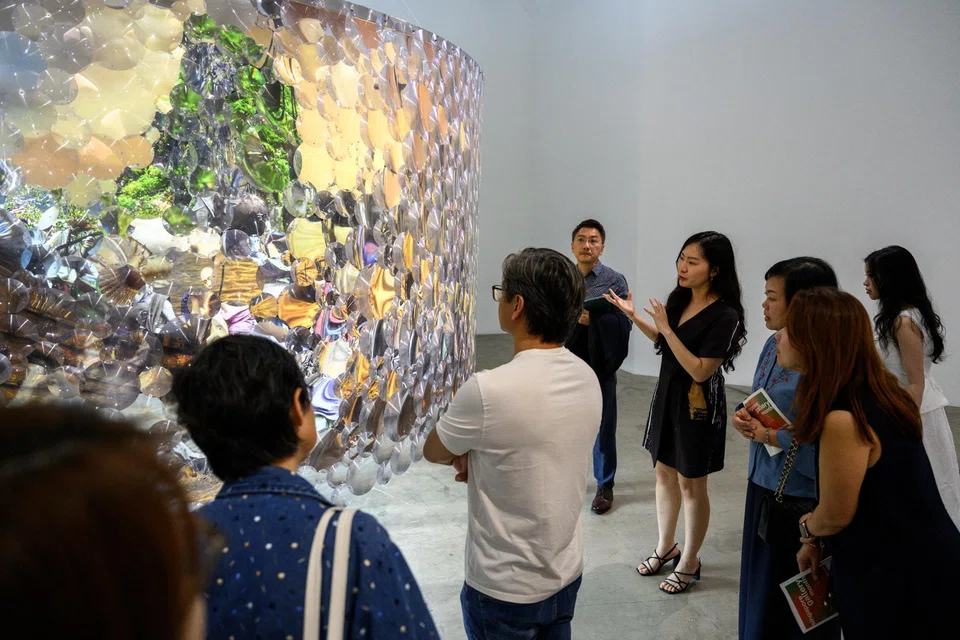
[SINGAPORE] Singapore does not lack people who can afford art. What it lacks, says Audrey Yeo, is enough people who feel confident buying it.
For the president of the Art Galleries Association Singapore (Agas), that distinction explains one of the local market’s enduring paradoxes: Singaporeans readily spend on watches, cars and wine, yet remain comparatively shy when it comes to art.
“Art certainly asks more of its buyers,” she says. “It requires some depth and understanding. It requires some knowledge of art history. You need to spend time looking, reading and thinking about it.”
Therefore, Agas’ upcoming Singapore Gallery Month (SGM), running from Aug 15 to Sep 13, was conceived as a month-long bridge between curiosity and collecting.
Through exhibitions, artist talks, gallery tours, workshops and collector-focused experiences, it aims to give newcomers the context, access and confidence to move from simply enjoying art to understanding how – and why – to collect it.
“What is always complicated is the initial stage – getting someone interested and helping them move from discovery to engagement,” says Yeo.
“They may need some knowledge of Singapore or South-east Asian art history, and they may not have friends around them who share the hobby.”
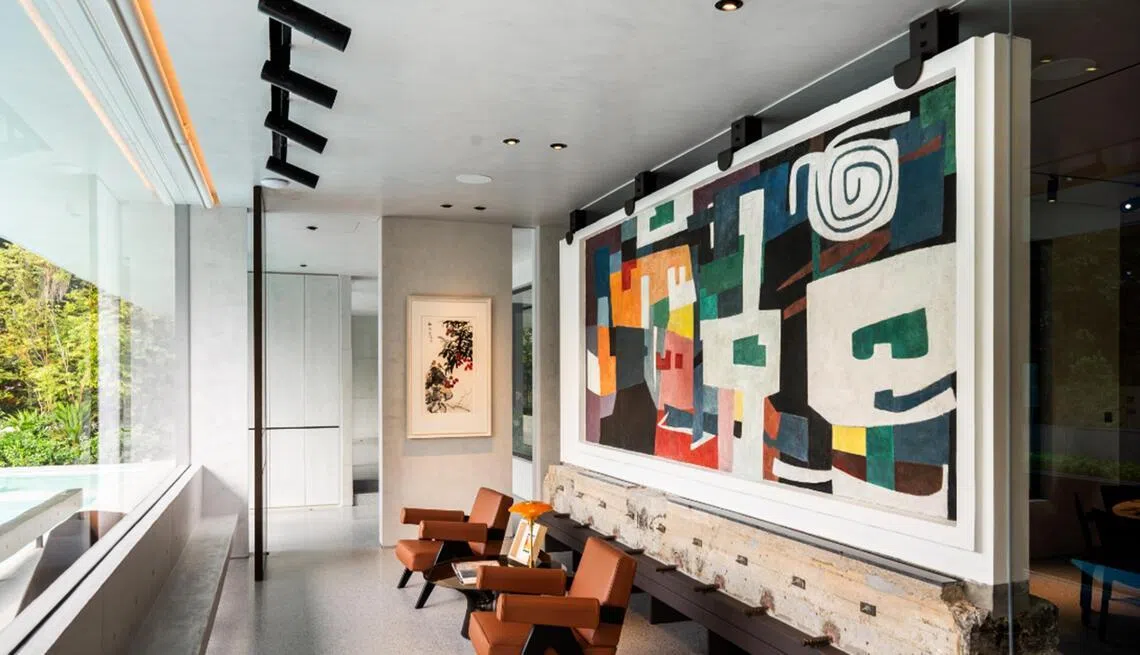
Some of the most inviting programmes at this year’s SGM are designed precisely to make the art world feel more welcoming and accessible.
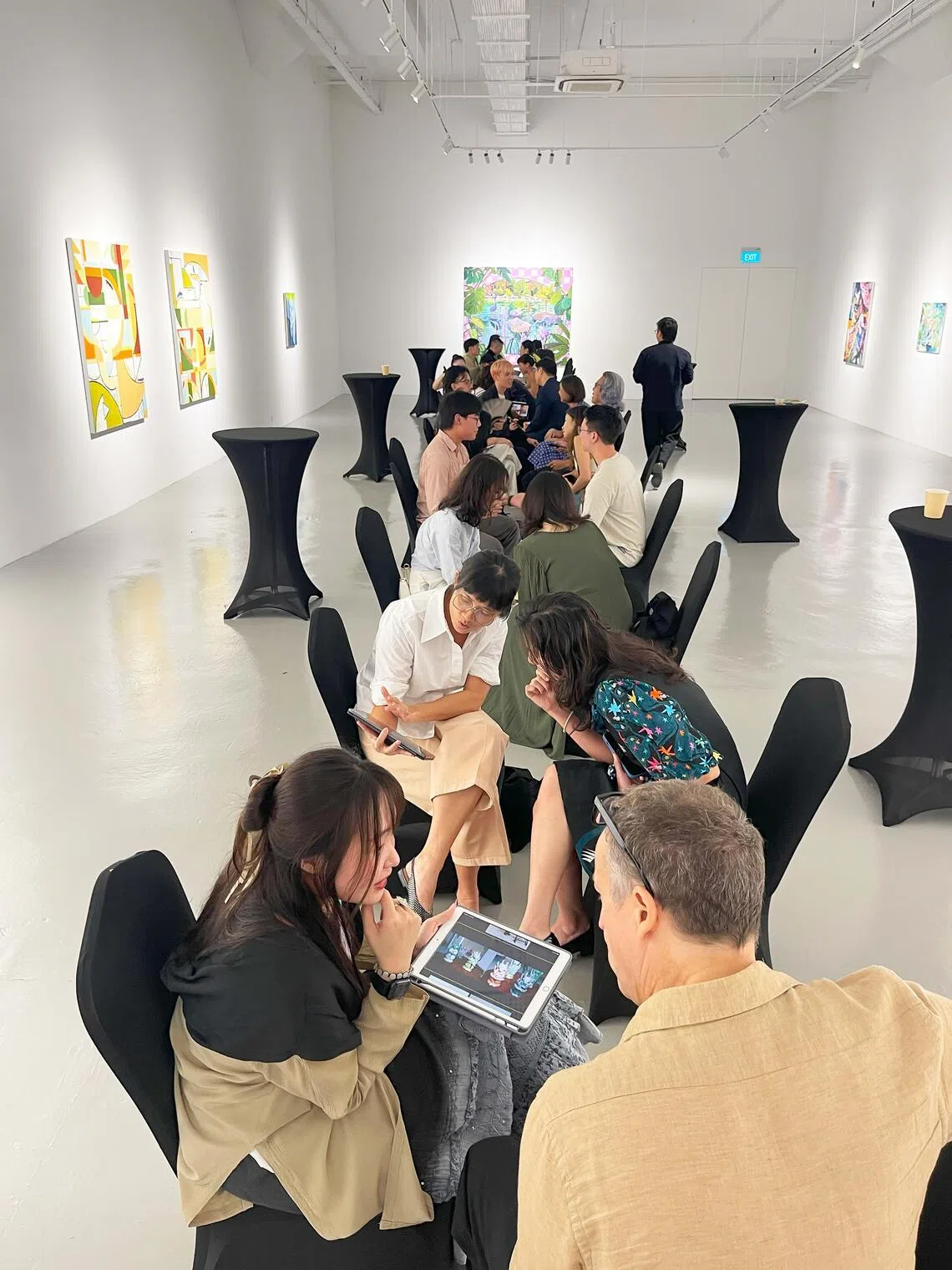
At Creators & Connoisseurs: A Speed Dating Soiree, held at Gajah Gallery on Sep 5, visitors can meet emerging and established artists through a series of brisk, five-minute conversations.

“It is like musical chairs,” says Yeo. “You speak to one artist, then move on to the next. It is always lively and fun.”
Many SGM activities are free, while tickets to some cost as little as S$5.
But for those seeking deeper access, the S$1,000 Patron’s Pass offers remarkably good value. Pass holders also receive a one-on-one consultation with a well-known art adviser and S$500 in credits redeemable at participating galleries.
It also includes exclusive visits to private collectors’ homes, where participants can see how collections are built, and how art sits within the textures of everyday life.
Elsewhere, Gillman Gatherings opens SGM on Aug 15 with a day of exhibition launches, talks and family-friendly activities.
Art After Hours brings Tanjong Pagar Distripark to life on Aug 29 with performances, tours, talks and extended gallery hours.
Guided precinct tours and hands-on workshops – spanning found poetry, collage, field recording and neighbourhood sound walks – round out the month-long programme.
Art as a necessary good
More than a month-long promotional campaign, SGM is an exercise in cultivating the habits from which a stronger art market might eventually emerge.
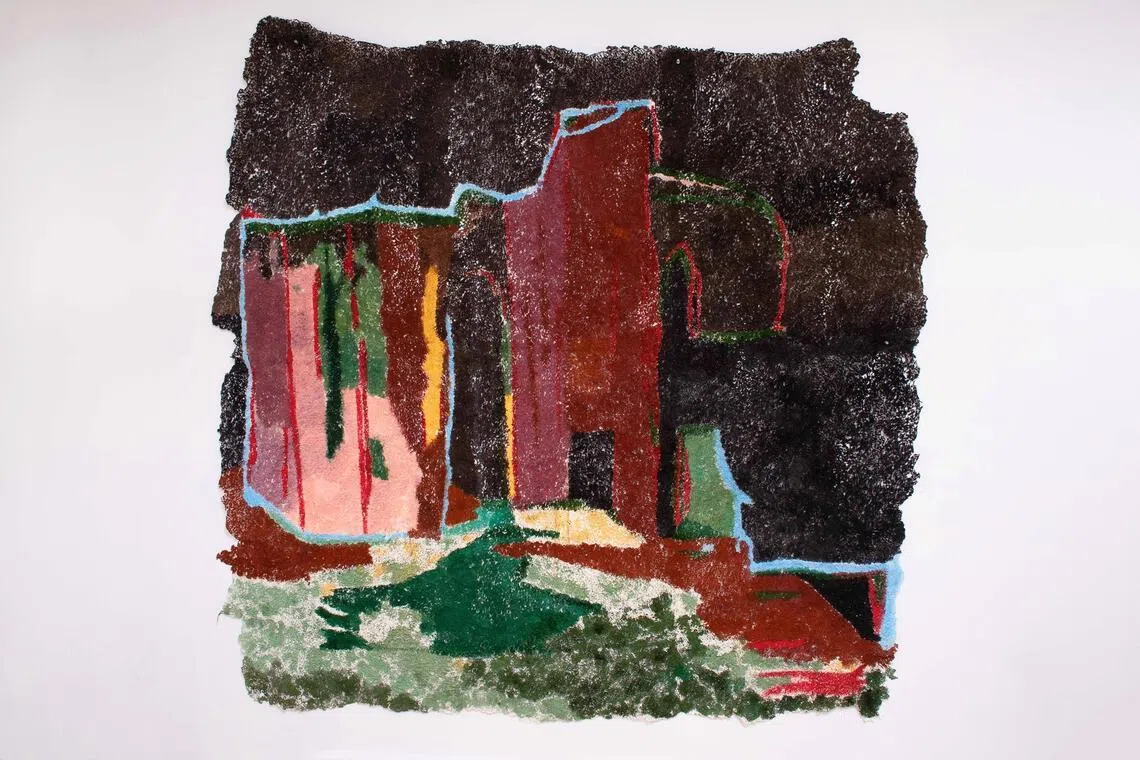
“There is a misconception that art is a luxury good,” Yeo notes.
“What we want people to understand is that it is a cultural good – something that carries ideas, histories and ways of seeing, rather than signalling wealth or status.
“It rewards curiosity, connects people with artists and new ideas, and allows them to play an active part in sustaining the culture around them.”
That effort is especially important because Singapore remains a difficult place in which to operate a gallery.
“We have very high labour and logistics costs,” adds Yeo, who is also the founder of a Gillman Barracks gallery named Yeo Workshop. “We face a manpower shortage of gallery staff who have a combination of art-historical knowledge and strong operational ability.”
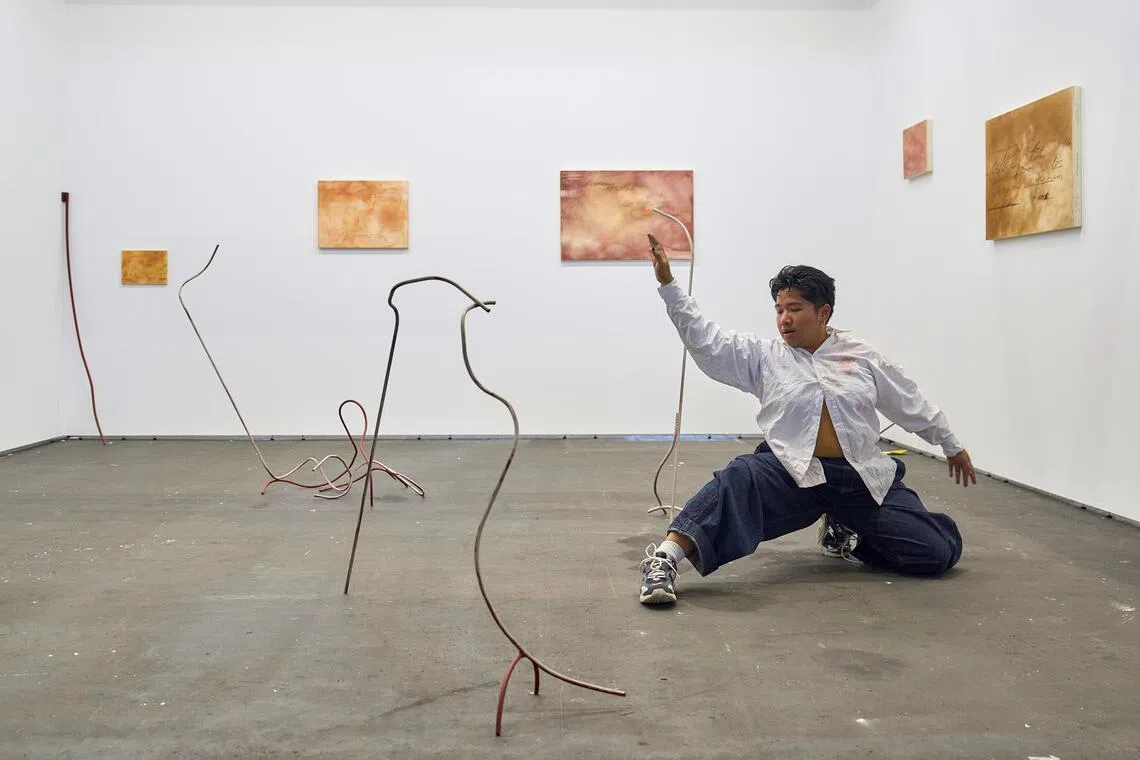
Her diagnosis is succinct: “Our costs are developed, but our art market is underdeveloped.”
Still, Singapore galleries have found success overseas.
Yeo says galleries returning from fairs in Hong Kong, New York and Basel have reported encouraging sales, suggesting that Singaporean and regional artists can resonate strongly when presented to more mature international markets.
Agas and SGM have also helped cultivate a younger generation of collectors in their 30s and early 40s, some of whom repeatedly purchase the Patron’s Pass to deepen their knowledge of art.
Space, however, remains a more difficult question.
With Gillman Barracks eventually expected to make way for redevelopment, Yeo says no obvious replacement has emerged for the galleries whose leases expire in 2030.
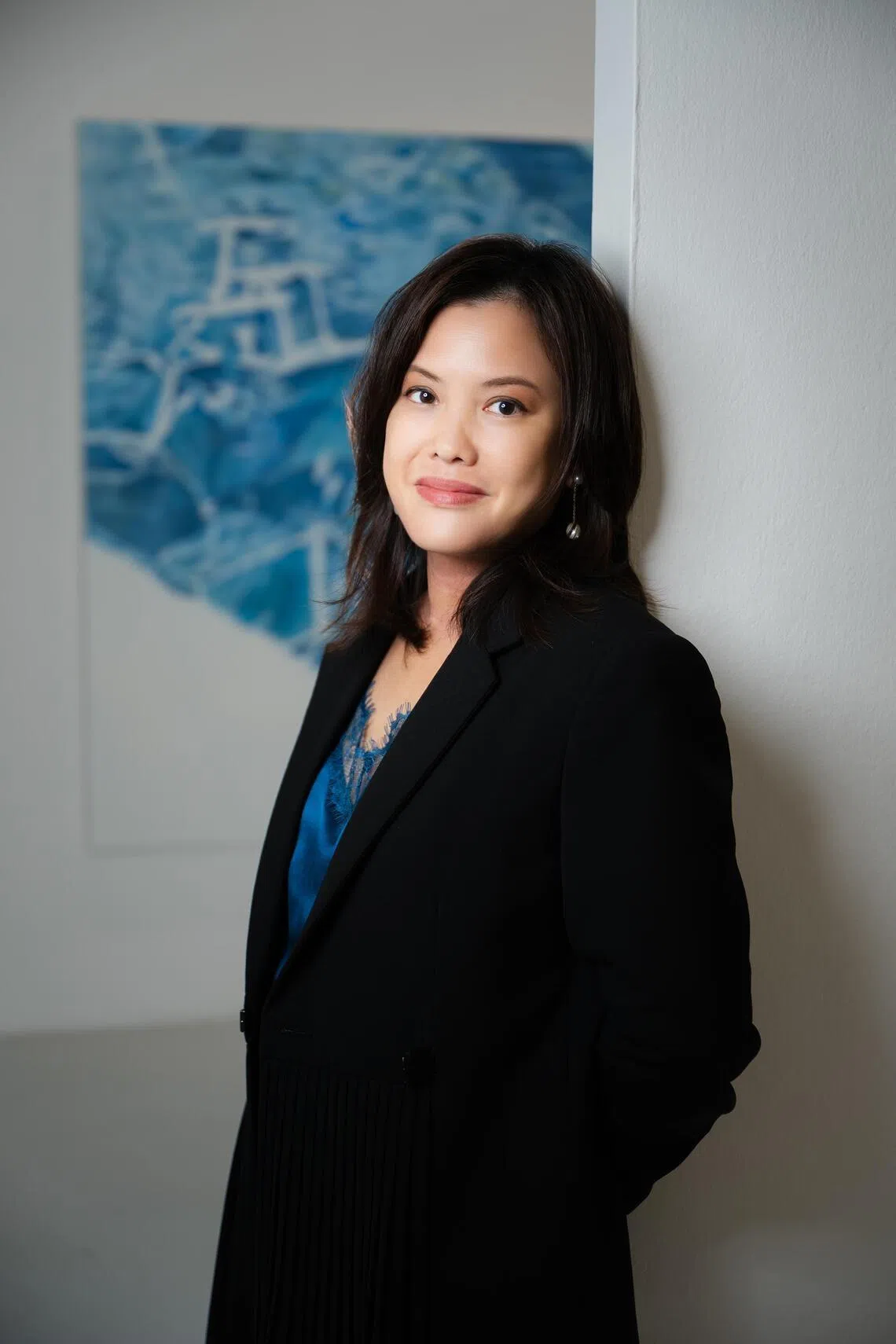
“It is such a luxury to have galleries spread out on the ground, surrounded by nature,” she adds.
“We can always move into a high-rise warehouse in the future. But I do not think we will ever have something quite like Gillman again.”
Yeo describes Singapore gallerists as “crazy optimistic entrepreneurs... who believe the local art scene can grow”.
SGM is ultimately an expression of that optimism – not a declaration that Singapore’s art market has arrived, but an invitation for more people to help it get there.
12 highlights of Singapore Gallery Month
1. The Patron’s Pass
For anyone seeking a structured introduction to art collecting, the Patron’s Pass offers the festival’s most comprehensive package.
Priced at S$1,000, it includes S$500 in art credits redeemable at participating galleries, invitations to the launch party and other private gatherings, complimentary access to ticketed SGM programmes, and privileges from partners including ART SG, Affordable Art Fair and Quintessentially.
Pass holders also receive a one-to-one consultation on starting or strengthening a collection with one of several prominent art professionals.
They include former ArtScience Museum director Honor Harger, Sotheby’s private-sales director Nick Buckley Wood, veteran curator Joyce Toh, The Culture Story co-founder Ning Chong and curator and historian Iola Lenzi.
2. Gillman Gatherings
Aug 15, Gillman Barracks
Singapore’s gallery enclave marks the official opening of SGM with a full day of exhibition launches, talks and family-friendly activities.
With multiple galleries participating simultaneously, it offers an efficient introduction to both the festival and Gillman Barracks.
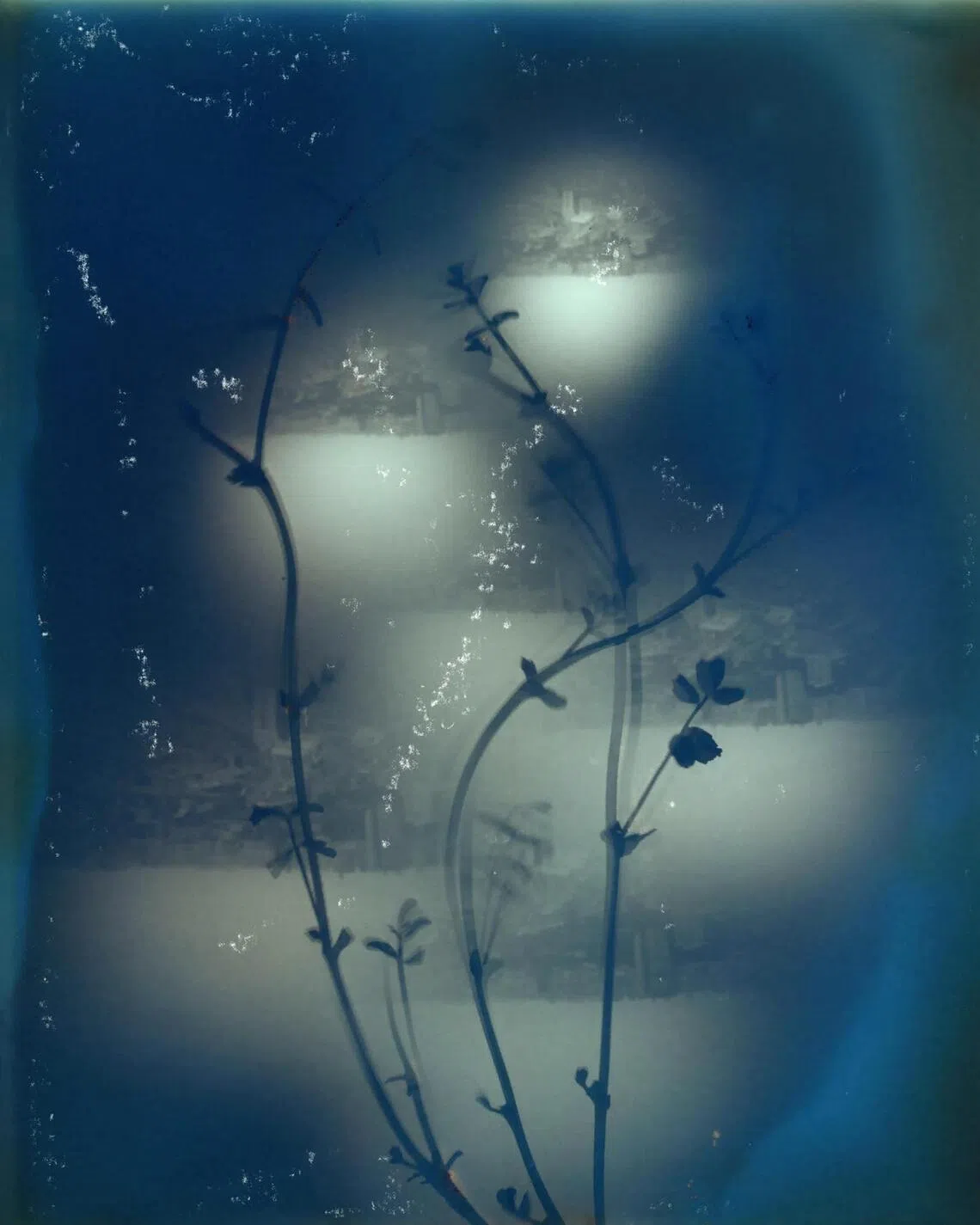
Highlights include ShanghART’s solo presentation of Thailand’s Taiki Sakpisit who transforms the gallery into a shadowy labyrinth of moving images and photography, and Sundaram Tagore Gallery’s Neha Vedpathak, an Indian-born, Detroit-based artist creating sculptural installations from Japanese paper.
Meanwhile, Yeo Workshop brings together Noor Mahnun, Hoa Dung Clerget, Justin Loke and Shayne Phua, while Fost Gallery presents The Lie of the Land, a group exhibition of Singaporean artists held in conjunction with National Day.
3. Art After Hours
Aug 29, Tanjong Pagar Distripark
The galleries of Tanjong Pagar Distripark stay open till late for an evening of performances, talks and tours. The event brings a livelier, more social atmosphere to the warehouse complex, allowing visitors to explore several exhibitions in one trip.
Among the shows to see are Prestige Gallery’s intriguing group show, which examines cleansing as a ritual and psychological condition in Asia-Pacific cultures.
New Art Museum’s historical exhibition also explores how Hisao Domoto and Toshimitsu Imai transformed the European Art Informel movement through Japanese aesthetics and Eastern philosophy.
4. Guided precinct tours
Selected weekends, Aug 22 to Sep 5
Artist and curator Daniel Chong leads visitors through gallery clusters including Bras Basah and Orchard Road.
The guided format should prove especially useful for newcomers interested in visiting commercial galleries, but uncertain about where to begin.
5. Roots & Resonance 2026: Through Brush and Memory
artcommune gallery, Aug 8 to 30
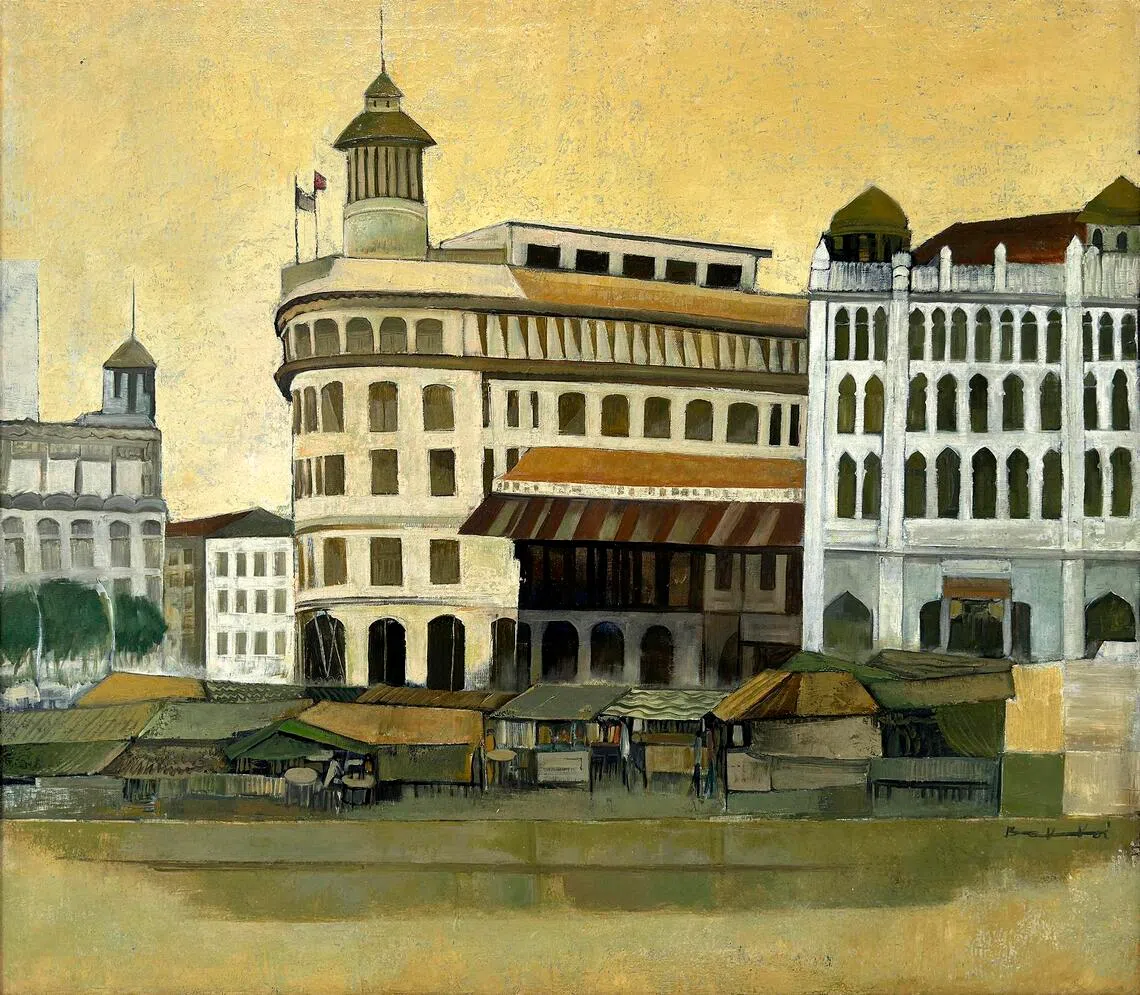
Works by Goh Beng Kwan, Ong Kim Seng, Tan Choh Tee, Tay Bak Koi and Tung Yue Nang chart Singapore’s changing landscapes and communities.
Significantly, this non-selling exhibition also makes a case for corporate support of local artists and the preservation of Singapore’s artistic heritage for posterity.
6. Creators & Connoisseurs
Sep 5, Gajah Gallery
Billed as a “speed-dating soiree”, this unusual gathering places emerging and established artists in a succession of rapid-fire conversations with collectors.
It offers an informal way to encounter different practices, while removing some of the ceremony surrounding artist-collector interactions. Launched several years ago, the event has quickly become an SGM staple.
While there, take in the 20 drawings from Latiff Mohidin’s celebrated Pago-Pago, Gelombang, Rimba and Voyage series, revealing four decades of thinking by the Malaysian modernist.
Shown together in Singapore for the first time, the works are accompanied by Bird 1, a newly cast bronze sculpture.
7. Art-making workshops
Several galleries invite visitors to move beyond looking and try making something themselves.
Activities include epoxy-clay and chicken-illustration workshops at I.F. Gallery, a found-poetry and collage session at LOY Art Gallery, and an immersive field-recording workshop and neighbourhood sound walk by Sullivan+Strumpf.
Check with the gallery or the SGM website for schedules.
8. Artist talks and gallery walk-throughs
Throughout the month, artists, curators and gallerists lead talks and walk-throughs explaining the ideas, contexts and creative processes behind the works on display.
Artists such as Luke Heng, Pulp Editions, Boedi Widjaja and Johann Fauzi, for example, are opening up their studios to visitors.
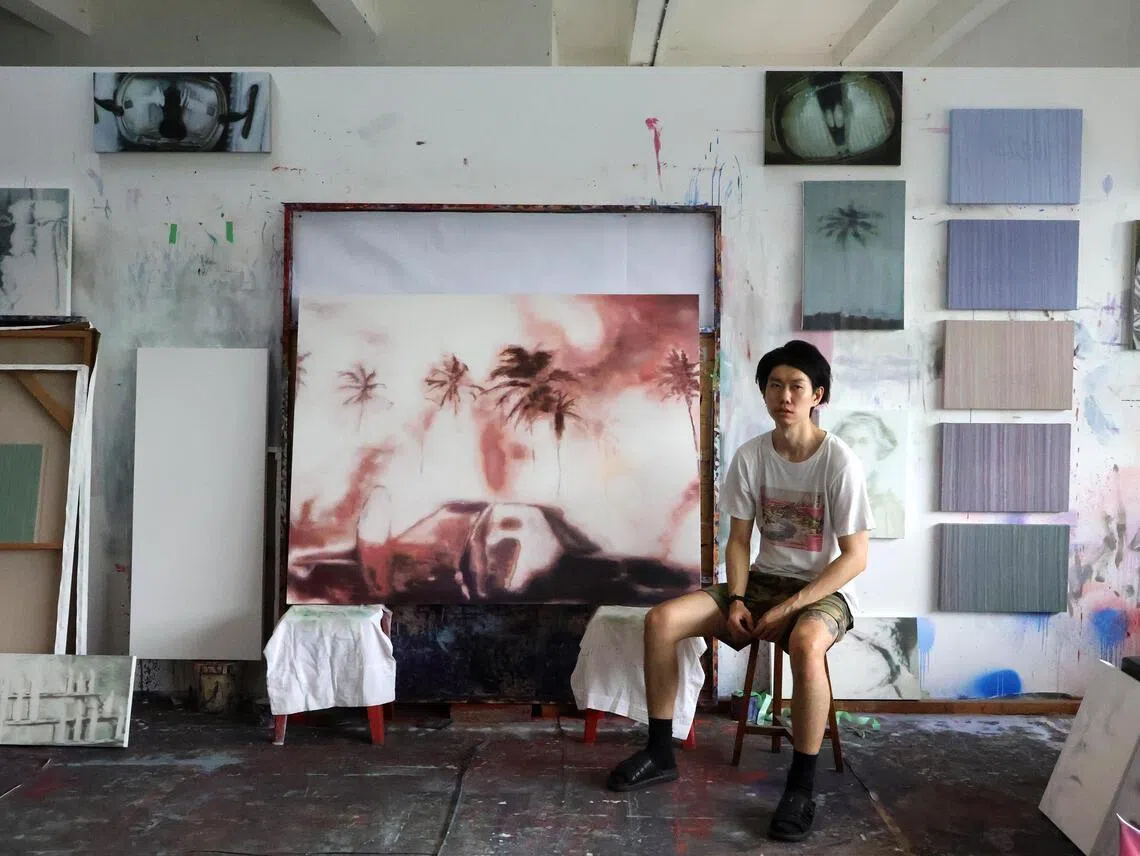
These sessions support SGM’s broader ambition to make galleries places of conversation and learning, not merely commercial transactions.
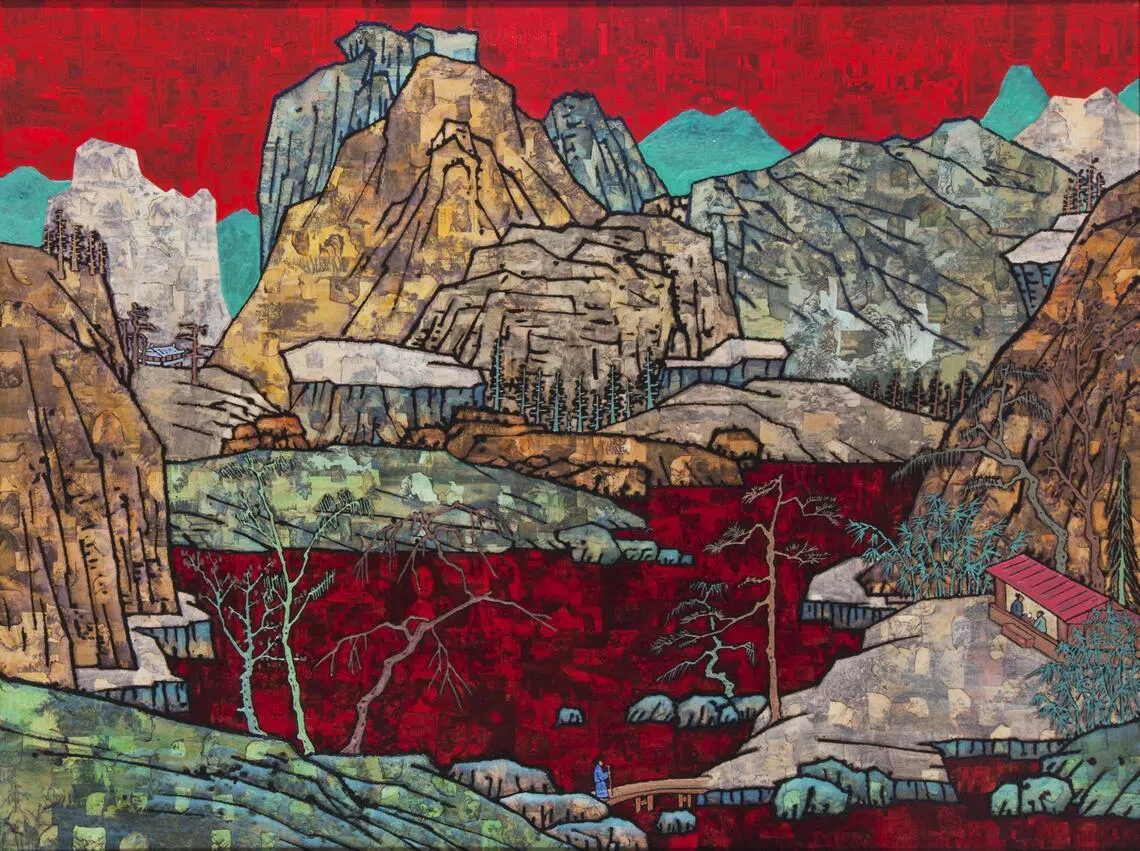
9. Xue Song: Where Is the Mountain?
Kwai Fung Hin, until Aug 22
This retrospective follows Xue Song’s New Landscape series from 1997 to the present.
His distinctive burned-and-collaged canvases combine classical landscape conventions, calligraphy, musical notation and historical imagery, creating an intricate conversation between tradition and contemporary urban life.
10. Fragment of a Story
LOY Contemporary Art Gallery, Aug 21 to Oct 4
Presented alongside the Singapore Night Festival, this exhibition by Akai Chew takes its structural cue from the Malay Annals.
Mythic and historical fragments interweave in the Armenian Street gallery, responding to nearby Fort Canning and Singapore’s entangled maritime past.
11. Shadows, Signals and the Line
The Private Museum, until Aug 23
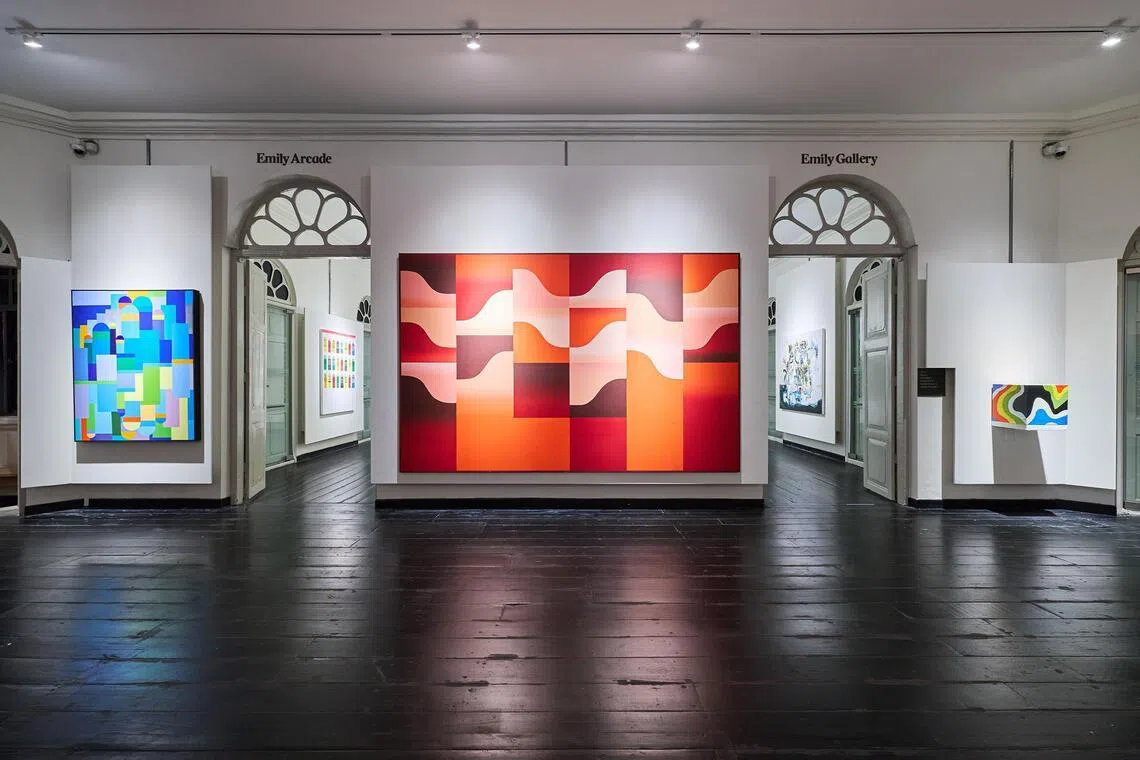
Bringing together 16 Singaporean artists, this tightly focused survey traces the development of local abstraction during the country’s rapid modernisation.
Calligraphic gesture, geometry and material experimentation show how international movements were absorbed and reconfigured through regional experience.
12. Budi Agung Kuswara: Tracing Shadow
Mizuma Gallery, Aug 15 to Sep 20
Spanning early and recent works, this solo exhibition follows the Indonesian artist Budi Agung Kuswara’s 15-year engagement with archives, cyanotype and light.
Algorithms, solar processes and brushwork collide in his idea of “Solar Synthetic Reality”, questioning how history and technology shape perception.
For more information, visit agas.org.sg/sgm/.
Decoding Asia newsletter: your guide to navigating Asia in a new global order. Sign up here to get Decoding Asia newsletter. Delivered to your inbox. Free.
Copyright SPH Media. All rights reserved.