Nathan Home: A Singaporean designer’s ode to idyllic childhoods and lasting furniture
Nathan Yong’s latest project could well be his last major one
IN THE tranquil Seletar Aerospace Park that seems a world away from the rest of Singapore, there’s a regular and substantial gathering of birdwatchers. On a Tuesday morning, they were all focused on an owl up in a big old tree near one of several low-rise black and white colonial buildings dotting this laidback, leafy neighbourhood.
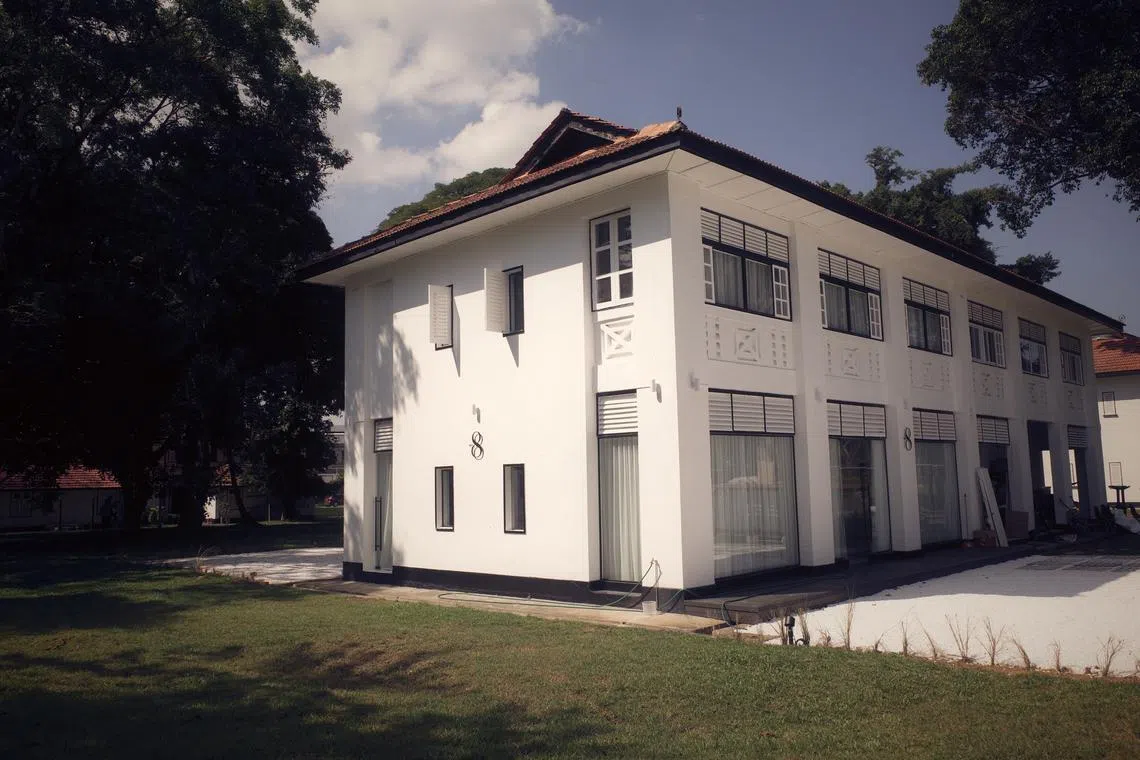
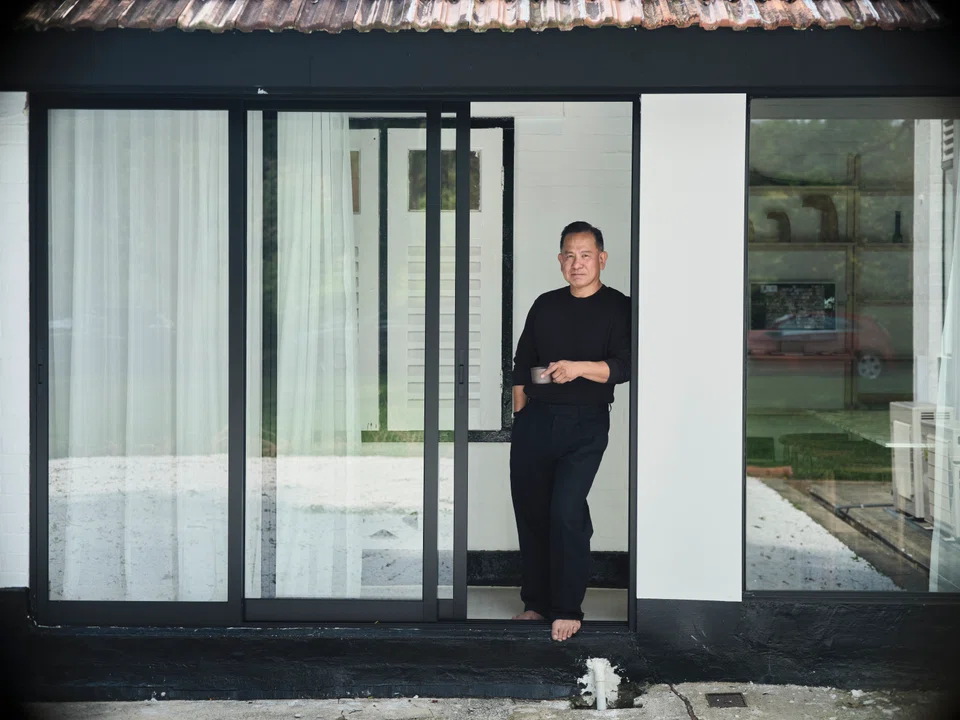
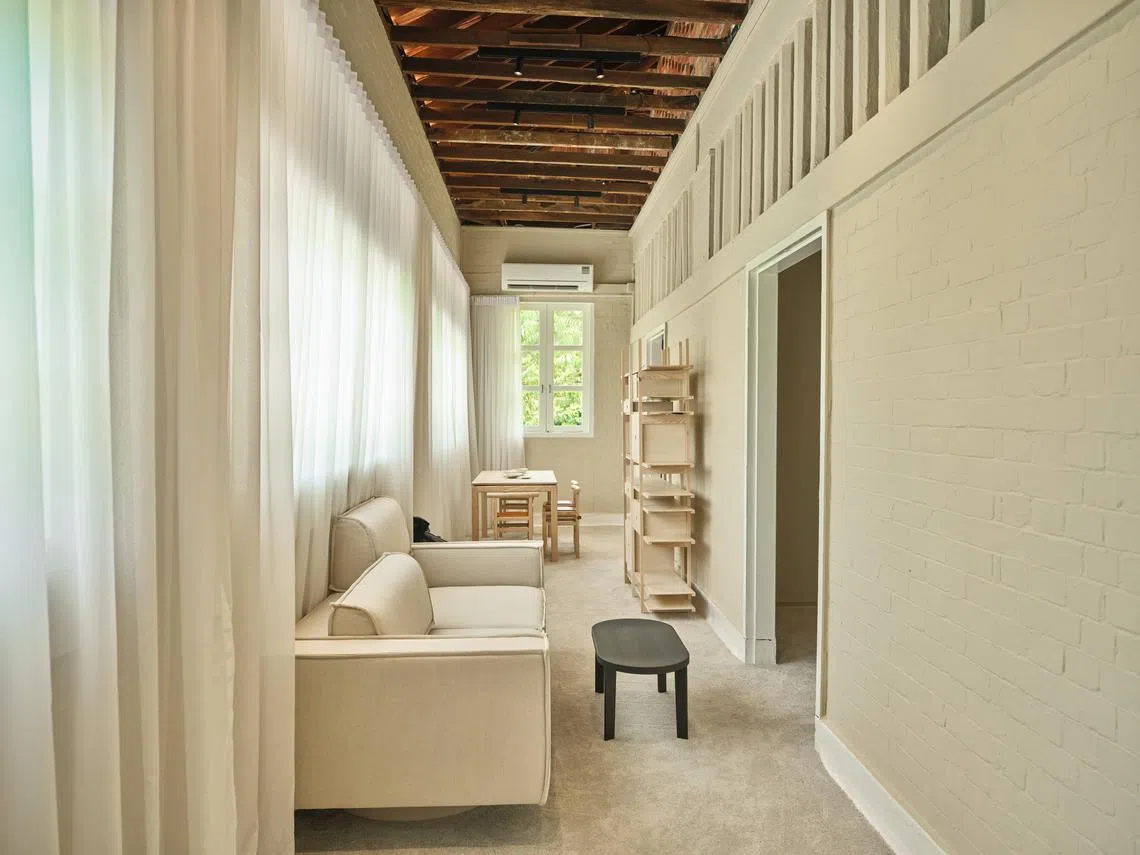
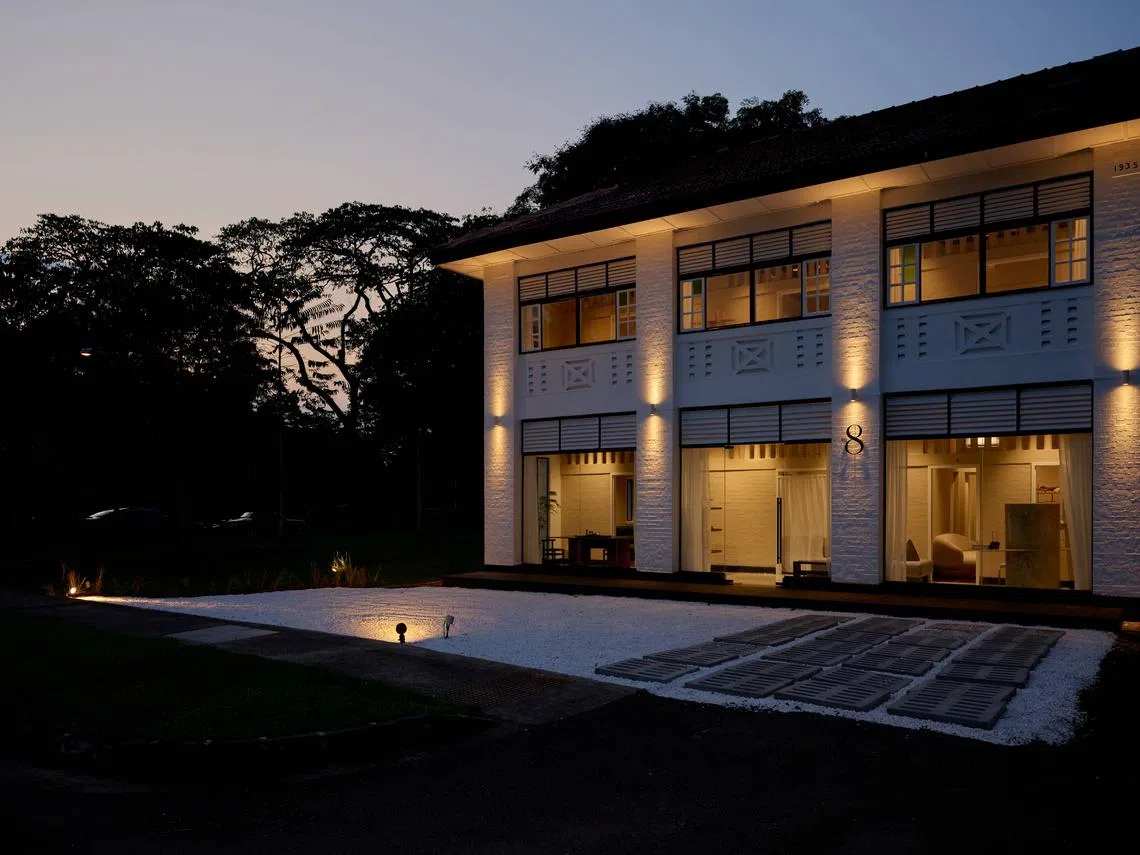
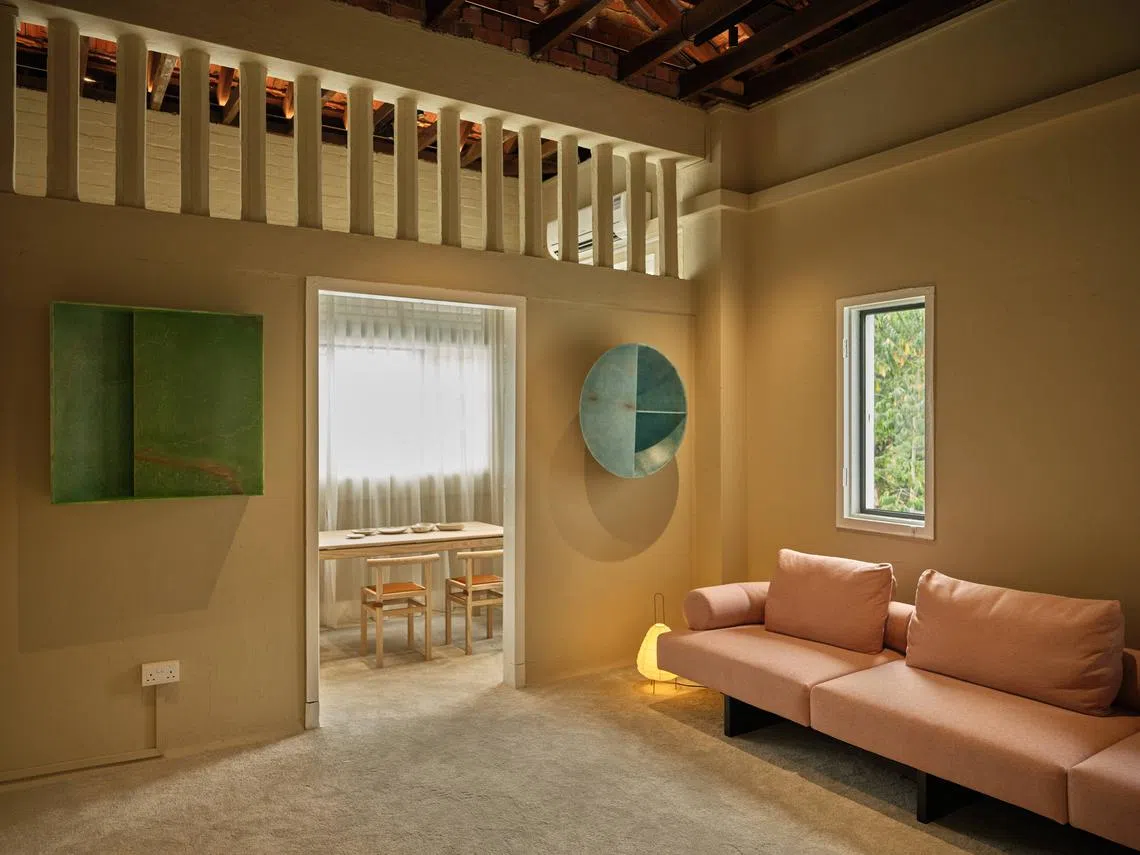
Industrial designer Nathan Yong is used to it. In June, he’d launched Nathan Home, a new furniture and lifestyle brand at 8 Baker Street, right by the birdwatching action. Presented across some six rooms and four hallways at the two-storey, 3,000 square foot property are Yong’s ideas of what furniture should look like – tropical and modern, made with what he terms material honesty.
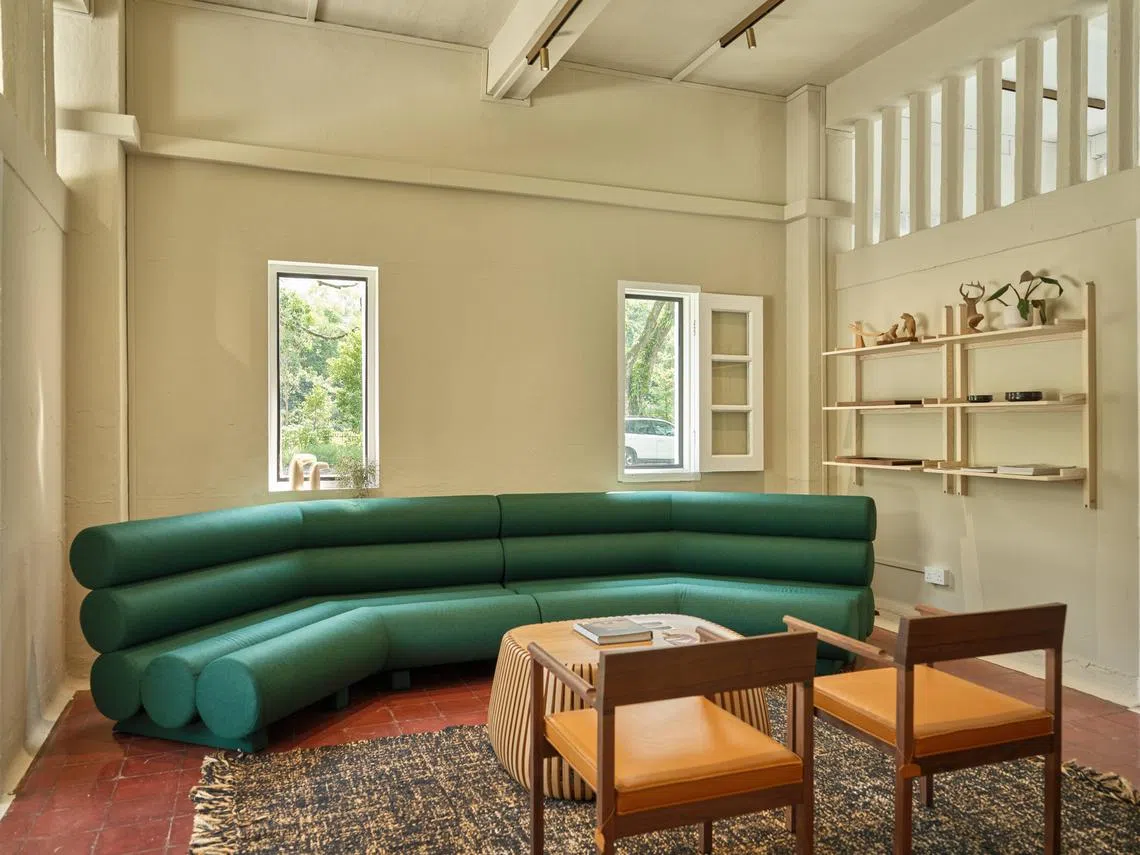
Designed by him and crafted in Malaysia, Thailand and Singapore – some of whose factories have also been producing for top international brands – these are limited pieces priced at the mid-high range.
At 54, the 2008 President’s Design Award winner has had a fulfilling career, having designed for big global brands including Design Within Reach, Ligne Roset, Herman Miller and Living Divani. Closer to home, the Singaporean also co-founded furniture store Air Division back in 1999 and Grafunkt in 2009. While he’s no longer involved with Air Division, Grafunkt, which sells imported luxury furniture, now operates from a beautifully restored, 1950s Art Deco building in Joo Chiat.
So, why start a gallery now, and in a location where there’s neither shopper traffic nor high street visibility?
“I felt quite disgusted by the fast consumption of furniture. And when people go in one direction, I want to go the opposite way,” explains Yong to The Business Times. “Well-made things take time.”
It is, in effect, a declaration of his stand against fast furniture; proclaimed from stately premises surrounded by history and exuding quiet, tropical sensibility.
“Buying from online stores like Taobao and Lazada has really affected the retail market, be it fashion, furniture or jewellery,” laments Yong, who was in the second batch of students taking the pioneering industrial design course at Temasek Polytechnic. “Small businesses in Singapore are suffering.”
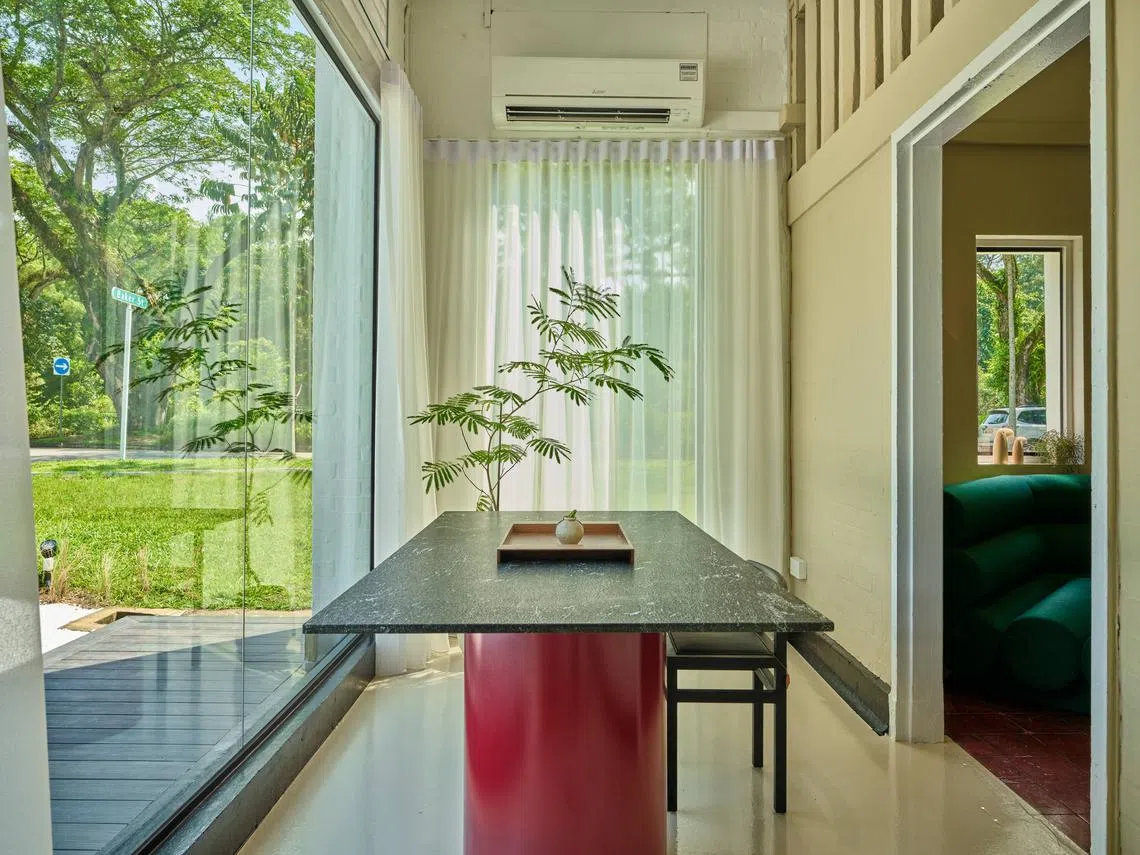
Purchasing furniture, he asserts, should be treated almost like buying a piece of art, because it says who you are and reflects your taste and preference for materials. To be clear, Yong knows that people at different life stages have different budgets. It is those who can afford to pay for the time, talent and effort that go into making a beautifully designed piece, yet chase after poor quality, low-priced items that he has issues with.



“These are the people whose minds I want to try to change, so they know it should not be so transactional.”
The benefits of a kampong childhood
Making things that last resonates with Yong.
Born into a family of humble means – his father worked in Sabah for a timber company and his mother was a housewife – home was an attap house in what was once Tanjong Rhu shipyard. “My mum taking us to Joo Chiat was like bringing us to town,” he recalls. Growing up with three siblings, it was all about “making everything as lasting as possible”.
Yong was “bad at math, bad at English, bad at quite a lot of things” but found his strength in art. And since there was no helicopter parenting then, he was free to play and dream.
“Being creative is when your mind is allowed to wander,” he says. “And in an environment where there are muddy floors, wooden planks and metal parts from the shipyard, you get to make and destroy things. They help in your thought processes. You figure things out and find solutions or create.”
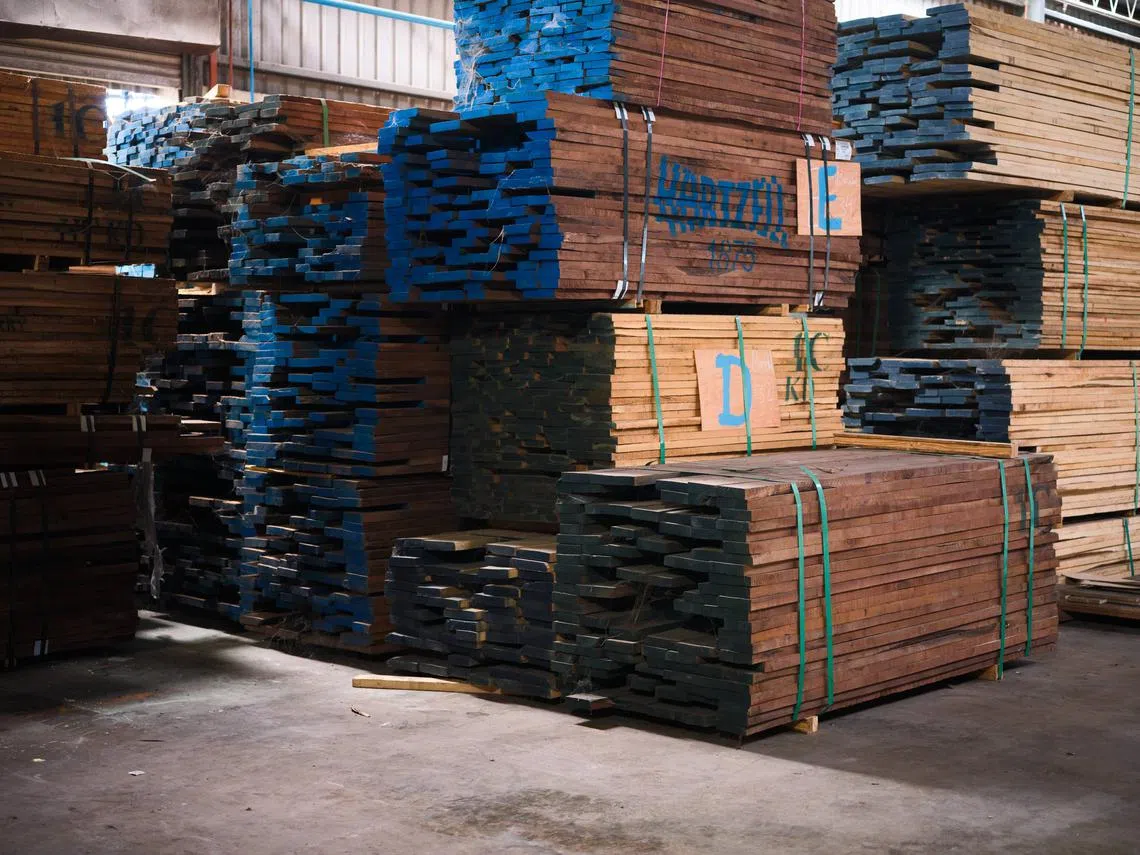
His background also instilled in him a distaste for irresponsible consumerism. Which is why Nathan Home furniture is made from responsibly farmed wood and recycled foam, and upholstered mostly in tropical climate appropriate natural fabrics like cotton and linen.
The pieces, from sofas and coffee tables to dining sets, beds and storage solutions, are made-to-order, with an average waiting time of three months. By appointment only, Nathan Home, he says, is meant to be experiential, where people take their time to touch, feel and be inspired by pieces, but are not pressured to buy. If they later decide that they love what they saw, they can make a purchase online.
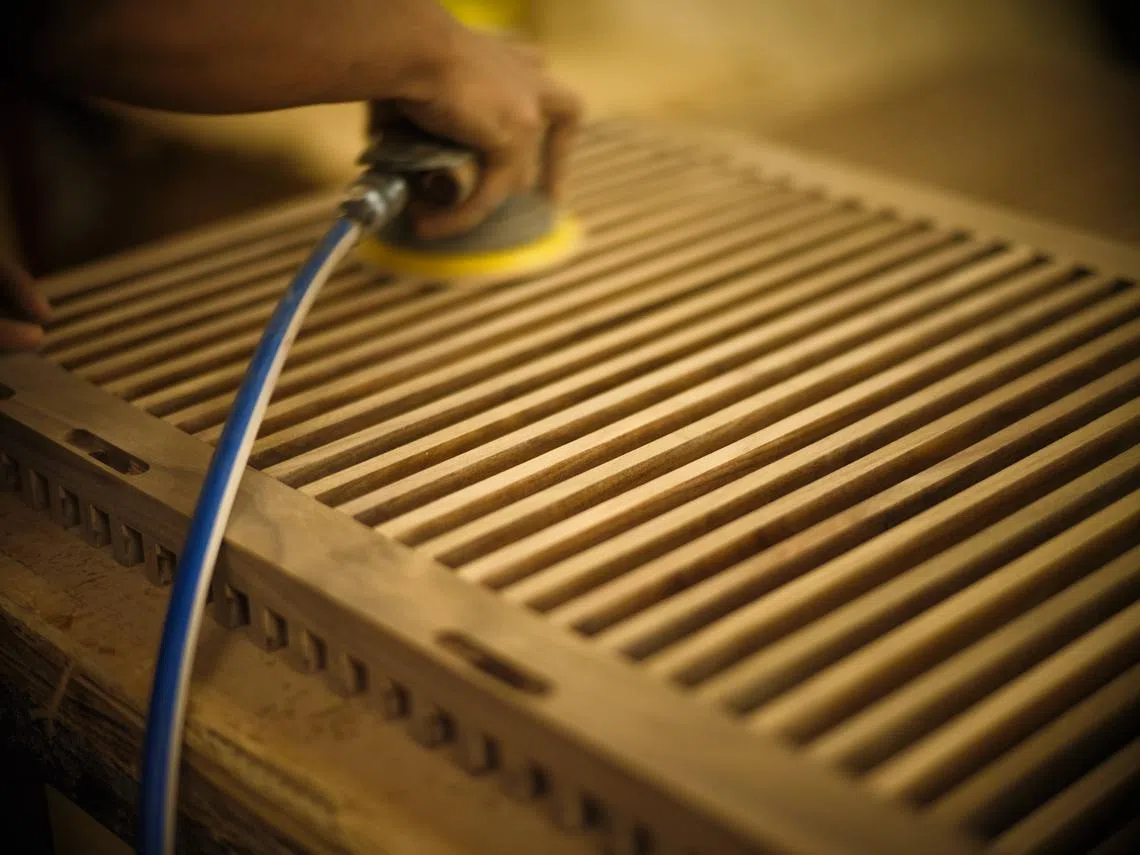
“The time we take and how we make a chair – from selecting wood and drying, cutting and engineering it to putting the design together – involves a lot of work,” he says. Still, he is his worst enemy, willing to discontinue production if he feels his pieces are “just not designed well enough”; or investigate if customers are uncomfortable with his pricing.
And while Singaporeans have some way to go before they see furniture as more than merely utilitarian products, he feels there is already a reaction against easy-access, cheaply produced options. “There will be people who start to say, ‘hey, I want a better chair and I love the story of where and how it’s made’. They will come to realise that there’s a different way of living and consuming. It’s just a very natural progression.”
After decades in the industry, Yong acknowledges he’s lucky to be where he is today, and dreams of using Nathan Home to showcase Asian artisanal work beyond our borders.
“But this will be my last project because I don’t have energy to start another!”
Decoding Asia newsletter: your guide to navigating Asia in a new global order. Sign up here to get Decoding Asia newsletter. Delivered to your inbox. Free.
Copyright SPH Media. All rights reserved.